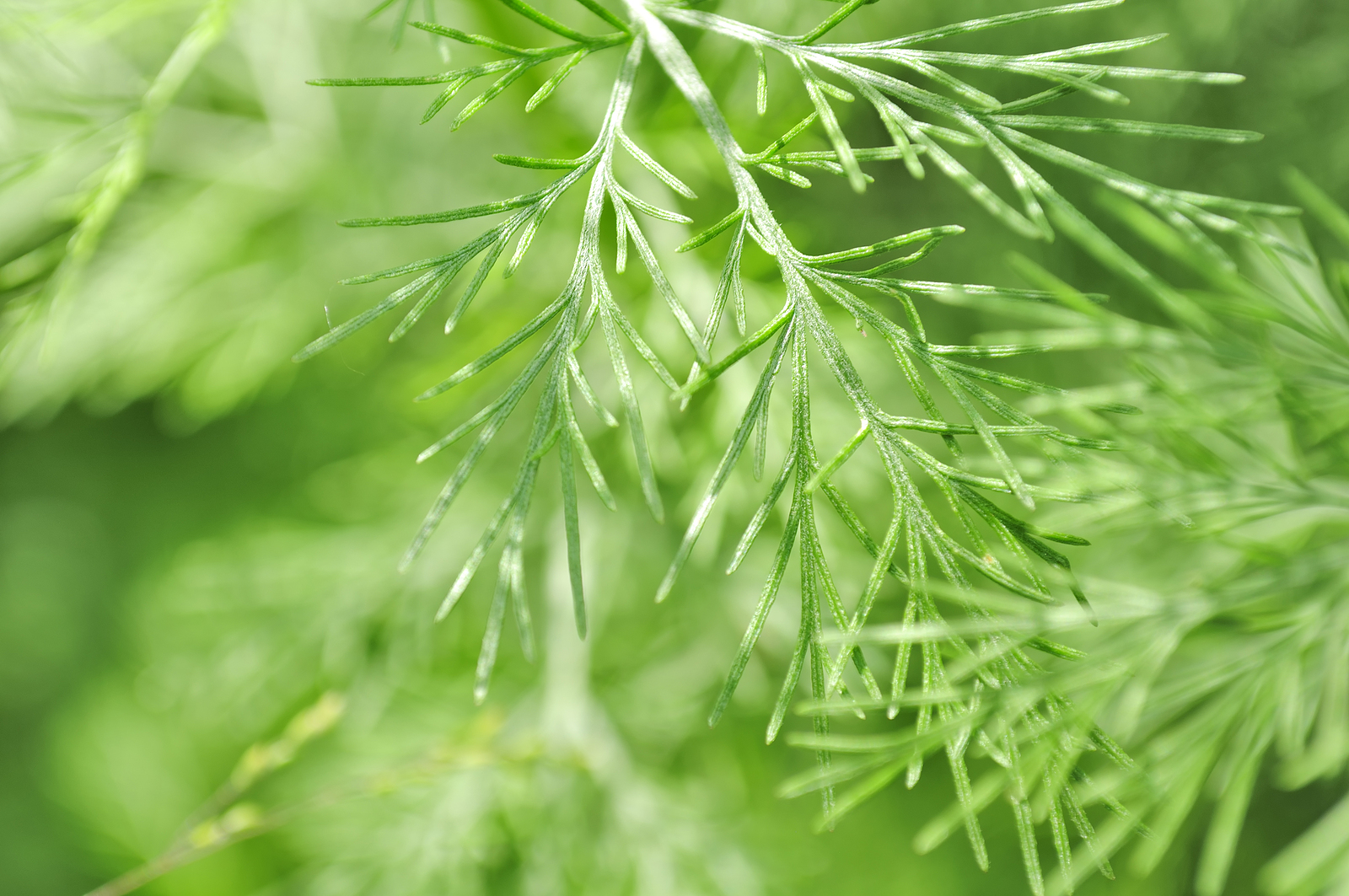
 Common Name: Southernwood, Artemisia abrotanum.
General Information
Abrotanum is derived from a shrub in the Compositae (Asteraceae) family, native to southern Europe and cultivated in gardens. It has been used in traditional herbal medicine as a bitter tonic, anthelmintic, and for digestive and inflammatory issues, and was introduced into homeopathy in the 19th century. This remedy is primarily indicated for wasting conditions (marasmus), especially in children, where there is progressive emaciation despite a good or ravenous appetite. It is classically associated with metastasis or shifting complaints — symptoms that move from one part of the body to another, such as from the intestines to the joints (e.g., rheumatism following suppressed diarrhoea). It suits cases of malnutrition, failure to thrive, or chronic weakness with alternating symptoms. Key personality traits include irritability, crossness, peevishness, and sometimes cruelty or inhuman impulses in children. The child may be ill-natured, despondent, or violent in thought. General symptoms feature marked emaciation (especially of the legs), flabby, loose skin hanging in folds, an “old-man” wrinkled face, weakness (e.g., inability to hold the head up), and migrating rheumatic pains.
Mental-Emotional Symptoms
- Irritable, cross, peevish, and despondent; child may be ill-natured or cruel in disposition.
- Feebleness and dullness of mind; no capacity for thinking, as if mental power is gone.
- Excited or loquacious at times, or taciturn and indolent.
- Easily fatigued by conversation or mental effort.
Digestive Problems
- Alternate constipation and diarrhoea; lienteria (food passes undigested).
- Ravenous hunger; loses flesh while eating well.
- Bloated abdomen; sensation as if stomach is floating in water.
- Emaciation with good appetite, especially in children.
- Metastatic symptoms following checked diarrhoea (e.g., leading to rheumatism).
Rheumatism and Joint Issues
- Shifting or migrating rheumatic pains; pain moves from joint to joint or part to part.
- Rheumatism following suddenly checked diarrhoea or suppressed secretions.
- Alternates with haemorrhoids or dysentery.
- Excessive pain before swelling; joints stiff, swollen, with pricking; wrists and ankles often affected.
- Gouty conditions; very lame and sore all over.
- Painful contractions of limbs from cramps or after colic.
Skin Problems
- Flabby skin hanging in loose folds (especially neck); wrinkled, old-looking face.
- Itching chilblains.
- Cold, prickling, numb fingers and toes.
- Prominent veins (e.g., on forehead).
Sleep
- Sleepless and restless.
- Nightly backache contributing to discomfort.
For Pets
- For pets (especially young animals) showing wasting and failure to thrive despite eating well.
- Emaciation of hindquarters.
- Shifting lameness/rheumatic-like pains.
- It could suit cases of digestive upset leading to joint issues.
Where do I find it?
Abrotanum is available from our online store as a single remedy.
Home Treatment Guidelines
Acute, Self-Limiting Conditions
Conditions like colds or minor injuries, which are short-term and typically improve on their own, can be managed at home with homeopathy. However, in emergencies or if symptoms worsen, contact your healthcare provider.
Chronic Conditions
These home treatment instructions do not apply for ongoing issues, whether mentioned above or not, like persistent allergies or chronic pain. You should consult a qualified homeopath for a personalized treatment plan to achieve the best results with homeopathy for chronic conditions.
How to Take the Remedy for Acute Conditions
- Take one pill or five drops of the remedy. The frequency depends on symptom severity. As examples:
-
- For life-threatening symptoms, take every 1 minute and seek emergency help immediately.
- For mild symptoms, take every 4 hours.
- Stop taking the remedy once you feel better. Resume if symptoms return.
- If no improvement after four doses, choose a different remedy or consult a professional homeopath.
- For more details on dosing, refer to: How Often to Dose with a 30C Homeopathic remedy.
- For information on the different potencies, read: Guidelines on which potency to use.
Additional Notes From Past Masters
Homeopathy is a 200-year-old system of medicine. Early homeopaths recorded detailed notes on how remedies worked, including initial tests, remedy relationships, and their experiences. These writings were shared to improve homeopathic practice and now offer fascinating insights into past uses of homeopathy. Here’s an example, edited and modernised for clarity, from Leaders In Homoeopathic Therapeutics (1898) by E. B. NASH M.D.:
Leaders In Homoeopathic Therapeutics by E. B. NASH M.D.
ABROTANUM.
Marasmus most pronounced in lower extremities, from malnutrition; diarrhśa; diarrhśa alternating with rheumatism.