Q&A: Extending the Life of a Liquid Remedy
Q. "Help! I'm running low on my remedy. Is there some way to make it last until I can get a new bottle?" There is a simple way.
Q. What is a Nosode?
Nosodes are remedies prepared from micro-organisms such as bacteria and viruses, or diseased fluids, discharges, or tissue.

What is Isopathy?
Peanuts for peanut allergy? Lead for lead poisoning? You may be thinking of the isopathic approach. Here's an overview.
Q: Are Any Homeopathic Remedies Made from Pork?
A: Traditional homeopathic remedies don't contain porcine (pig) components but some newer potentised remedies may.

Homeopathic Doses for All Ages
Q. How much of a remedy should I give? Here are our recommendations for big and little people, and the reason why the size of the dose is a minor variable during treatment.

Q: What do Numbers and Letters After Remedy Names Mean?
The active ingredients of remedies can't be measured by weight, volume or amount so homeopathy turns to ancient Rome for a little help.

Airport X-Rays and Remedies
Do airport x-ray machines and scanners affect homeopathic remedies? Here's the answer and the accompanying research.
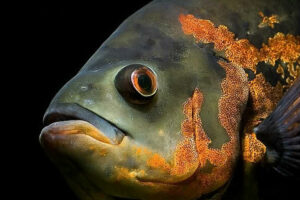
Q. Homeopathy for Fish?
Fish also respond to the correct remedy. Rather than trying to drop a pill down a wriggling fish's mouth though, try this.

Q. Carbo Veg – a ‘Corpse Reviver’?
“Carb-v is prepared from vegetable charcoal. It is best known for its seemingly miraculous ability in some circumstances to revive people or animals close to death.”

Q. What Can Homeopathy Treat?
Homeopaths are often asked if homeopathy will treat asthma, diabetes, ulcerative colitis, multiple sclerosis, or any one of a number of diseases. Here's the answer.