
t

  • Know Your Remedies: Laurocerasus (Laur.)

    Know Your Remedies: Laurocerasus (Laur.)

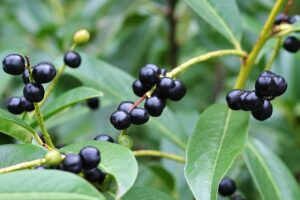
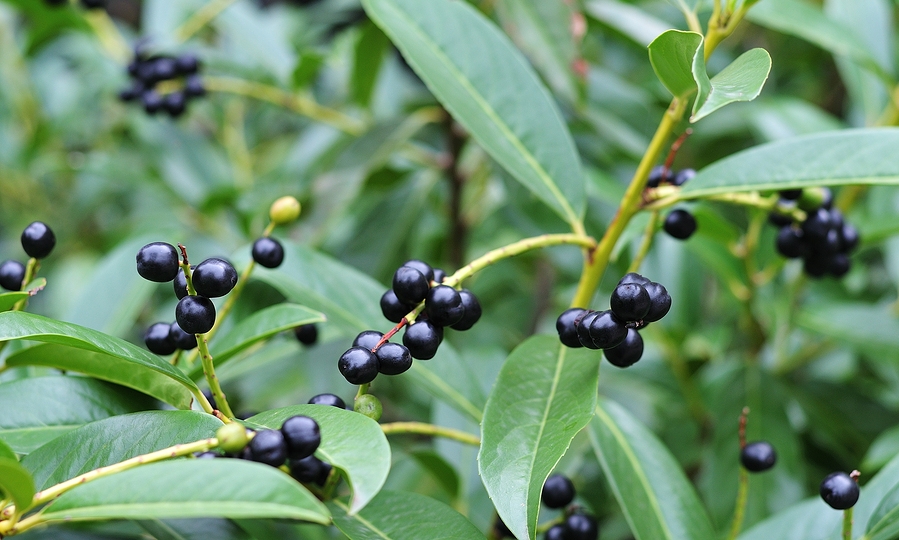
    Laurocerasus Common Names: Common laurel; cherry laurel; English laurel.

    General Information

    Laurocerasus (Laur.) is a remedy for weakness or collapse with lack or reaction and coldness – symptoms typically associated with cardiac (heart) and respiratory disorders. These disorders may include congestive heart failure and congenital heart diseases such as septal defects (hole in the heart) and transposition (incorrect entry points into the heart for major heart vessels). The person (or infant) will be cold, sleepy, and hard to rouse. The feeling of coldness is not improved by heat.

    Head and Face

    • Face pale with blueness of lips.
    • Perspiration on the nose.

    Heart and Circulation

    • Palpitations with a rapid weak pulse.
    • Debility and weakness from congenital heart problems such as septal defects and transposition.
    • Collapse and coldness associated with cardiac problems.

    Respiratory

    • Respiratory disorders with collapse and coldness.
    • Breathlessness on slight exertion.
    • Short, dry spasmodic coughs, especially with cardiac disorders.
    • Lingering pneumonia, bronchitis or influenza.
    • Cyanosis (blueness) of newborns.

    Sleep

    • Episodes of deep or prolonged sleep with stertorous breathing (loud, deep snoring).

    Where do I find it?

    Laurocerasus (Laur.) is available from our online store as a single remedy in either pills or liquid.

    Home Treatment Guidelines

    Acute, Self-Limiting Conditions

    Conditions like colds or minor injuries, which are short-term and typically improve on their own, can be managed at home with homeopathy. However, in emergencies or if symptoms worsen, contact your healthcare provider.

    Chronic Conditions

    These home treatment instructions do not apply for ongoing issues, whether mentioned above or not, like persistent allergies or chronic pain. You should consult a qualified homeopath for a personalized treatment plan to achieve the best results with homeopathy for chronic conditions.

    How to Take the Remedy for Acute Conditions

    • Take one pill or five drops of the remedy. The frequency depends on symptom severity. As examples:
      • For life-threatening symptoms, take every 1 minute and seek emergency help immediately.
      • For mild symptoms, take every 4 hours.
    • Stop taking the remedy once you feel better. Resume if symptoms return.
    • If no improvement after four doses, choose a different remedy or consult a professional homeopath.
    • For more details on dosing, refer to: How Often to Dose with a 30C Homeopathic remedy.
    • For information on the different potencies, read: Guidelines on which potency to use

    Additional Notes From Past Masters

    Homeopathy is a 200-year-old system of medicine. Early homeopaths recorded detailed notes on how remedies worked, including initial tests, remedy relationships, and their experiences. These writings were shared to improve homeopathic practice and now offer fascinating insights into past uses of homeopathy. Here’s an example, edited and modernised for clarity, from Leaders In Homoeopathic Therapeutics (1898) by E. B. NASH M.D.:

    Leaders In Homoeopathic Therapeutics by E. B. NASH M.D.

    Laurocerasus

    Suffocative spells about the heart, < sitting up, > lying down; cardiac cough; gasping, twitching and jerks.

    Lack of re-active power, low vitality, with blueness or cyanoses, especially in heart troubles.

    Drink rolls audibly down through the esophagus and intestines; very low pulse.

    * * * * *

    “Want of energy, of vital power; want of reaction, especially in chest and heart affections.”

    And there is another characteristic symptom under this remedy in heart troubles: “The cyanosis, dyspnea, etc., are worse when sitting up.” Only one other remedy has this aggravation, and that is Psorinum.

    “Want of nervous reaction; the well-chosen remedy does not act.”

    Capsicum, lack of reaction in persons of lax fibre.”

    Opium, in patients where there is no pain; stupidity and drowsiness.

    Valerian and Ambra in nervous affections, well chosen remedies fail.

    Carbo vegetabilis, collapse, coldness of knees, breath; perfect indifference.

    Sulphur and Psorinum, where Psora complicates and hinders reaction.

    Each one of these remedies may he called for in defective reaction, and there may be many more, and in each case, as with all remedies elsewhere, symptoms must decide which one.
  • Know Your Remedies: Calcarea Phosphorica (Calc-p.)

    Know Your Remedies: Calcarea Phosphorica (Calc-p.)

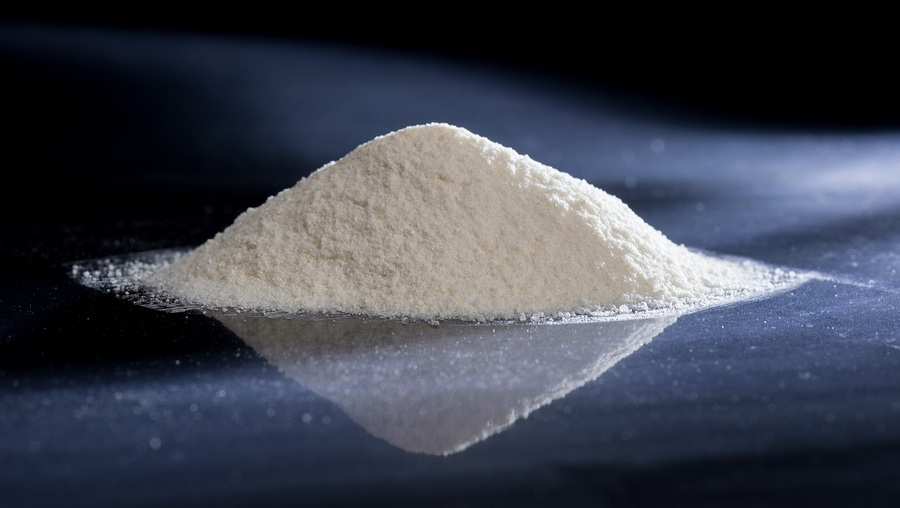
    Calcium-phosphate-WS Common Name: Calcium phosphate.

    General Information

    Calcarea Phosphorica (Calc-p.) is a remedy for poor absorption and assimilation. Physical problems often involve joints, bones, teeth, and digestion. There may be lack of energy and mental or physical weakness or collapse. Obesity with flabbiness is common and symptoms may also worsen before or at the beginning of menses. Wet weather, cold air, drafts, and melting snow trigger headaches or joint and muscle pains. Bad news may lead to health complaints. Children are irritable, whiny, easily bored, badly behaved, or want constant attention. The stresses of school may result in phobias, headaches and abdominal pain. Growing pains is another common symptom. The fontanelles (gaps between the bones of the head) of babies and infants may be slow to close, and walking and talking delayed. Growth may be rapid or delayed or stunted.

    Mental-Emotional Symptoms

    • Sensitive, dissatisfied, discontented, and easily bored. Complaining and never satisfied. Feeling as though nothing is right. Sighing.
    • Desire for change, travel, or new things that may bring happiness.
    • Loss of motivation and indifference. Mental apathy and exhaustion.
    • Poor memory. Difficult concentration and comprehension.

    Head

    • Headaches in school-aged children.
    • Headache from mental exertion or change in weather.
    • Stiffness or pain of the nape of the neck.
    • Delayed closure of fontanelles.

    Back

    • Cervical pain and stiffness worsened by changes in weather or drafts.
    • Lower lumbar and sacroiliac pain.

    Dental

    • Delayed dentition and teething problems. Easy decay of teeth.

    Gastrointestinal

    • Poor assimilation and absorption of food – faulty nutrition.
    • Intolerance of milk. Craving for smoked meat, salty food, bacon, salami.
    • Discharge from the umbilicus (belly button) of babies.
    • Chronic stomach or abdominal pains of school children.

    Limbs

    • Growing pains in children.
    • Rheumatism and stiffness, sometimes with a cold, numb feeling.

    Female

    • Cramping before menses. Backache with menses.

    Where do I find it?

    Calcarea Phosphorica (Calc-p.) is available from our online store as a single remedy, and as part of the following Complexes (combination remedies): Fractures (Broken Bones); Hives (Urticaria); Joints (Sore); Teething.

    Home Treatment Guidelines

    Acute, Self-Limiting Conditions

    Conditions like colds or minor injuries, which are short-term and typically improve on their own, can be managed at home with homeopathy. However, in emergencies or if symptoms worsen, contact your healthcare provider.

    Chronic Conditions

    These home treatment instructions do not apply for ongoing issues, whether mentioned above or not, like persistent allergies or chronic pain. You should consult a qualified homeopath for a personalized treatment plan to achieve the best results with homeopathy for chronic conditions.

    How to Take the Remedy for Acute Conditions

    • Take one pill or five drops of the remedy. The frequency depends on symptom severity. As examples:
      • For life-threatening symptoms, take every 1 minute and seek emergency help immediately.
      • For mild symptoms, take every 4 hours.
    • Stop taking the remedy once you feel better. Resume if symptoms return.
    • If no improvement after four doses, choose a different remedy or consult a professional homeopath.
    • For more details on dosing, refer to: How Often to Dose with a 30C Homeopathic remedy.
    • For information on the different potencies, read: Guidelines on which potency to use

    Additional Notes From Past Masters

    Homeopathy is a 200-year-old system of medicine. Early homeopaths recorded detailed notes on how remedies worked, including initial tests, remedy relationships, and their experiences. These writings were shared to improve homeopathic practice and now offer fascinating insights into past uses of homeopathy. Here’s an example, edited and modernised for clarity, from Leaders In Homoeopathic Therapeutics (1898) by E. B. NASH M.D.:

    Leaders In Homoeopathic Therapeutics by E. B. NASH M.D.

    Calcarea Phosphorica (Calc-p.)

    I once had a case like this: A boy eight years of age had several (four or five) abscesses in and around the knee joint. The ulceration had also attacked the tibia, which was half eaten off, so that the ragged necrosed bone protruded through the surface plainly in sight.

    The little fellow was greatly emaciated, and had no appetite, and was pale as a corpse. I told the mother that I thought this was a case for the surgeon, but I would try to get him in better condition for the operation. I remembered reading years before of the cures of abscesses by this remedy, made by Dr. Searles, of Albany, and empirically concluded to try it in this case.

    I put him upon the first trituration, a grain a day. Called in a week and found a great change for the better. The mother exclaimed as I came in: “Ah, Doctor, the boys is eating us out of house and home.” Under the continued use of the remedy he made a complete and rapid recovery, except that the tibia was a little bent.

    I have since used the remedy in some very large swellings where pus had formed, with the effect of complete absorption of the pus and no opening of the abscess on the surface. One was a case of hip disease which had been pronounced incurable by a specialist on ulcerations, (How is that for a specialist, regular at that.)

    The different combinations of the Calcareas ought to be so thoroughly proven as to enable us to put them each in their exact place. So, also, with the Kalis, Magnesias, Natrums and Mercuries, etc.