t

  • Remedies for Headaches

    Remedies for Headaches

    Quick Bits…

    Headaches are not all the same. Things that trigger or worsen them such as light, noise, and odours vary from person to person but these variations point to the most helpful remedy.

    Read more | Comment


  • Schuessler’s Tissue Salts – A Medicine Chest for the Whole Family

    Schuessler’s Tissue Salts – A Medicine Chest for the Whole Family

    These little bottles contain micro doses of the 12 essential minerals that your body needs for good health.

    What are Schuessler’s Tissue Salts?

    Schuessler’s 12 Tissue Salts (cell salt or biochemic) remedies are often called a ‘medicine chest’ for the whole family.

    Tissue Salts were first developed by the German doctor, Wilhelm Schuessler, who said ill-health was caused by an imbalance in the bodies twelve vital cell salts. Schuessler believed that these imbalances could be corrected by easily absorbed and homeopathically-prepared, micro-doses of each salt.

    Schuessler’s Tissue Salts (also known as biochemic or cell salts) are potentised micro-doses of the 12 essential minerals your body needs to repair and maintain itself.  They are prepared in homeopathic 6X potencies that are gentle enough to be used by the youngest to the eldest member of your family. They can even be used with pets.

    Schuessler introduced his homeopathically-prepared Tissue Salts more than 100 years ago but today, they have spread to most parts of the world where families and individuals rely on them as simple home treatments for a wide range of problems.

    Tissue Salts, as either individual remedies or in combination, are an ideal addition to the home medicine cabinet for simple health complaints. They are:

    • Gentle
    • Absorbed rapidly
    • Natural
    • Pleasant tasting
    • Lactose free
    • Convenient to carry
    • Non-toxic and non-addictive
    • Safe to use with prescription medicines
    • Suitable for broad, general health complaints (unlike standard homeopathy that requires more precise symptom matching).

    Tissue Salts are used as either single potentised salts or potentised salts mixed in combinations. See the list below for the indications of each salt or combination.

    Instructions on how to take Tissue Salts are found at the bottom of the list.

    Individual Tissue (Cell) Salts

    Calcium fluoride – Calc fluor

    Loss of elasticity, varicose veins, haemorrhoids, deficient tooth enamel, hard or cracked skin

    Component of: Skin, connective tissue, tooth enamel, joints and bones.

    Traditional indications: Relaxation of connective tissue leading to problems such as heamorrhoids, sluggish circulation, and varicose veins. Cracked skin, eczema, anal fissures, callouses. Diseases affecting the surface of bones. Deficient enamel of the teeth. Early formation of wrinkles.

    Often better for: Heat in general; hot weather; hot applications; rubbing.

    Often worse for: Damp and cold weather; physical motion.

    Calcium Fluoride is available from our online shop

    Calcium phosphate – Calc phos

    Poor digestion, anaemia, bone diseases

    Component of: All body tissues, especially teeth and bones.

    Traditional indications: Poor digestion and assimilation of food, especially following surgery. Anaemia. Poor calcification of bones or healing of fractures. Rickets and osteomalacia. Frequent respiratory tract infections. Cramps and poor circulation.

    Often better for: Lying down; resting; warmth.

    Often worse for: Damp and cold weather; getting wet.

    Calcium sulphate – Calc sulph

    Spots, pimples, skin disorders and slow healing wounds

    Component of: Gall bladder (bile) and liver.

    Traditional indications: Dandruff. Pimples. Boils. Shingles. Ulcers. Abscesses. Fistulas. Bronchitis. Dry eczema. Unhealed cuts. Has a cleansing effect throughout the system. Assists in the removal of waste via the lymphatic system.

    Often better for: Dry air and cool open weather.

    Often worse for: Wet, damp, warm weather; physical exertion.

    Ferrum phosphate – Ferrum phos

    Inflammation, redness, throbbing, first stage of respiratory complaints, inflammations, injuries

    Component of: All parts of the body, especially red blood cells.

    Traditional indications: Often called the First Aid Salt. Early stages of acute disorders. First aid situations such as sprains and strains. Early fevers. Anaemia. Aids the absorbtion of iron.

    Often better for: Gentle motions; cold applications; rest.

    Often worse for: Damp and cold weather; getting wet.

    Potassium chloride – Kali mur

    Mucous congestion, glandular swellings, coughs, tonsillitis, ulcerated sore throat, digestive disturbances, swollen joints

    Component of: All parts of the body, especially connective tissue.

    Traditional indications: Second stage of inflammation (after Ferr phos). Complaints of the respiratory system – coughs, colds, bronchitis. Thick, white discharges from skin or mucous membranes. Glandular or chronic rheumatic swellings. Works well with Calc Sulph in the removal of waste products. White – grey coated tongue and light coloured stool. Digestive disturbances, especially from eating fatty or rich food.

    Often better for: Keeping still; cold applications.

    Often worse for: Motion; physical exertion; rich foods.

    Potassium phosphate – Kali phos

    Nervous tension, irritability, tension headaches, depression, lethargy, forgetfulness

    Component of: Brain and nerves, muscles, blood, body fluids.

    Traditional indications: Nervous states leading to anxiety, changeable moods, headaches, heartburn, asthma, insomnia, depression, lethargy or exhaustion. Poor memory. Shingles. Convalescence.

    Often better for: Warmth; rest; gentle motion; company; heat.

    Often worse for: Worry & stress.

    Potassium sulphate – Kali sulph

    Dry scaly skin, dandruff, skin eruptions, inflammations with yellow discharges, shifting pains

    Component of: Skin, muscles.

    Traditional indications: Third (chronic) stage of inflammations. Yellowish or greenish discharge from any mucous membrane or skin surface. Yellow, slimy tongue. Yellow scaling of skin. Psoriasis. Athlete’s foot (tinea). Brittle nails. Chilliness, hot flushes, and shifting pains in the limbs.

    Better for: Dry and stable weather; cool, fresh, open air.

    Often worse for:Hot drinks; late afternoon air.

    Magnesium phosphate – Mag phos

    Muscle cramps, spasms & twitches, spasmodic pain or colic, migraine

    Component of: Muscles, blood cells, nervous tissue, bones, teeth.

    Traditional indications: Muscle spasms, cramps, and hiccups. Muscular twitches. Sharp twinges of pain. Renal or gallbladder colic. Gastrointestinal colic. Migraine. Restlessness. Useful for menstrual pain.

    Often better for: Firm pressure; bending double; heat.

    Often worse for: Cold air; noise; glare.

    Sodium chloride – Nat mur

    Excessive dryness or oedema of tissues, runny nose, loss of smell or taste, sadness

    Component of: All body fluids and tissues.

    Traditional indications: Disorders of fluid metabolism – excessive fluid or dryness anywhere in the body. Examples: oedema, salivation, colds with clear discharge and sneezing; craving for salty foods; dry skin; headache with constipation. Also: loss of taste and smell; sadness or depression.

    Often better for: Open air, fresh air, tight clothing; lying on right side.

    Often worse for: Hot rooms; heat; noise; lying down; talking.

    Sodium phosphate – Nat phos

    Acidity, indigestion or heartburn, rheumatism

    Component of: Blood cells, muscles, nerve and brain cells, body fluids.

    Traditional indications: An overly acidic system. Indigestion or heartburn. Lactic acid build-up. Rheumatism – painful muscles and connective tissue. Sciatica. Complaints from fatty food. Acne with greasy skin.

    Often better for: Cold.

    Often worse for: Thunderstorms; mental or physical exertion; fats.

    Sodium sulphate – Nat sulph

    Biliousness, liver upsets and fluid retention, constipation, leg ulcers

    Component of: Extracellular fluid.

    Traditional indications: Poor elimination of metabolic wastes from the body via kidneys, liver and bowel. Constipation, diarrhoea, leg ulcers, rheumatism.

    Often better for: Warm dry air; open air.

    Often worse for: Dampness; lying on left side; pressure.

    Silicea – Sil

    Hair, skin and nail complaints – pimples, boils, ulcers, styes, excessive perspiration

    Component of: Skin, hair, nails, muscles, nerves, glands, connective tissue.

    Traditional indications: Lack of strength in connective tissues. Brittle or weak nails. Gum abscesses. Fistulas. Styes. Discharging abscesses. Excessive perspiration. Bunions. Hair loss. Premature aging.

    Often better for: Warmth; warm, humid weather.

    Often worse for: Light; noise; cold.

    Combination Tissue (Cell) Salts

    Combination A

    For symptoms associated with: Insomnia, sciatica, neuralgia, cramps, inflammation.

    Contains: Ferrum phos, Kali phos & Mag phos.

    Combination B

    For symptoms associated with: Irritability, anxiety, nervous exhaustion.

    Contains: Calc phos, Ferr phos & Kali phos.

    Combination C

    For symptoms associated with: Acidity, heartburn, dyspepsia

    Contains: Mag phos, Nat phos, Nat sulph & Silicea.

    Combination D

    For symptoms associated with:Skin complaints such as acne, eczema, dermatitis, scaliness.

    Contains: Kali mur, Kali sulph, Calc sulph & Silicea

    Combination E

    For symptoms associated with: Digestive disorders such as bloating, flatulence, colic, indigestion.

    Contains: Calc Phos, Mag Phos, Nat Phos & Nat Sulph

    Combination F

    For symptoms associated with: Mental or physical fatigue, nervous headaches.

    Contains: Kali phos, Mag phos, Nat mur & Silicea.

    Combination G

    For symptoms associated with:Backache, haemorrhoids (piles)

    Contains: Calc fluor, Calc phos, Kali phos & Nat mur.

    Combination H

    Traditional indications: Hay fever, sinusitis, respiratory allergies.

    Contains: Mag phos, Nat mur & Silicea.

    Combination I

    For symptoms associated with: Fibrositis, muscle aches, inflammation.

    Contains: Ferr phos, Kali sulph & Mag phos.

    Combination J

    For symptoms associated with: Coughs and colds.

    Contains: Ferr phos, Kali mur & Nat mur.

    Combination K

    For symptoms associated with: Weak or brittle nails, falling hair, dandruff.

    Contains: Kali sulph, Nat mur & Silicea

    Combination L

    For symptoms associated with: Circulatory disorders such as varicose veins, cold feet, inflammation.

    Contains: Calc fluor, Ferr phos & Nat mur.

    Combination M

    For symptoms associated with: Rheumatism, joint stiffness, oedema.

    Contains: Calc phos, Kali mur, Nat phos & Nat sulph.

    Combination N

    For symptoms associated with: Menstrual pain, cramping,  headaches

    Contains: Calc phos, Kali mur, Kali phos & Mag phos.

    Combination P

    For symptoms associated with: Poor circulation, aching legs, chilblains.

    Contains: Calc fluor, Calc phos, Kali phos & Mag phos.

    Combination Q

    For symptoms associated with: Sinus & Catarrh.

    Contains: Ferr phos, Kali mur, Kali sulph & Nat mur.

    Combination R

    For symptoms associated with: Toothache, teething, gum inflammation.

    Contains: Calc fluor, Calc phos, Ferr phos, Mag phos & Silicea.

    Combination S

    For symptoms associated with: Stomach nausea, biliousness.

    Contains: Kali mur, Nat phos & Nat sulph.

    Combination T

    For symptoms associated with: First stage of inflammation, fever or illness.

    Contains: Ferr phos & Kali mur

    Combination U

    For symptoms associated with: Poor calcium absorption.

    Contains: Calc fluor, Calc phos, Nat phos & Silicea.

    Combination 5 (Nerve Tonic)

    For symptoms associated with: Anxiety, weakness, neuralgic pain.

    Contains: Calc phos, Ferr phos, Kali phos, Mag phos & Nat phos.

    Combination 12 (General Tonic)

    For symptoms associated with: Debility, fatigue, exhaustion.

    Contains: Calc fluor, Calc phos, Calc sulph, Ferr phos, Kali mur, Kali phos, Kali sulph, Mag phos, Nat mur, Nat phos, Nat sulph & Silicea

    Care and Dosage Instructions

    The tissue salts are dispensed in a 30ml bottle, that holds roughly 120 doses.

    Five drops per dose for adults, children, and infants. For acute conditions, take a dose every ½ hour (up to 6 doses a day) until symptoms subside. If a maintenance dose is needed, take a dose 4 times a day.

    Keep your Tissue Salt bottle away from sunlight. Do not store bottles near mobile (cell) phones or microwave ovens as their emissions may affect the potency of the remedy.

  • Multiple Health Problems Improve

    Multiple Health Problems Improve

    Sinusitis, Headaches, Hay Fever, High Blood Pressure, Rising PSA Levels, Insomnia and Anxiety

    A decorative image highlighting that Barry's symptoms of hayfever, headaches and more improved with the right remedy.

    Homeopath’s Report

    Barry’s story shows the widespread changes that can happen when a remedy is chosen for the patient’s overall symptom complex, rather than just a few isolated symptoms. In Barry’s instance, he only needed the one remedy, Natrum muriaticum (Nat-m.) in this instance, in a range of potencies and the results were extremely good. For others, a series of remedies may be needed to achieve the same improvements – it all depends on whether the symptoms change or stays the same during treatment.

    Barry started his treatment knowing only a little about homeopathy. Like many people he thought of homeopathy as being similar to herbal medicine, relying on plant-based remedies. In fact, homeopathy draws its remedies from many kingdoms – animal, vegetable, mineral, and “imponderables”. The remedy that was helpful for Barry was a potency prepared from a mineral salt.

    Fran Sheffield  (Homeopath)

    Barry’s Story

    I did not start by approaching a homeopath for treatment. My introduction was in attending a homoeopathy workshop principally in support of my wife who was interested to see if this alternative resource could help a member of our family who has autism.

    Being impressed by the presentation I did subsequently seek a consultation which I particularly liked because it dealt in some detail with the causative factors. An hour and a half’s consultation probed issues of what might be considered unrelated except this embraced the whole person in body mind and spirit. My experience with the conventional medical resource is that they deal only with the body and symptoms.

    My ailments were multi-factorial albeit they might be considered minor. The main issue was blocked sinuses causing headaches and associated side-effects. This condition was exacerbated during spring due to the high pollen count in the atmosphere, also leading to hayfever. Medical help sought many years before offered only a temporary solution with surgery, removing the nose and cutting/removing cartilage. I remember asking the doctor how successful it would be and how long would the effects last. His response dissuaded me from taking this option even though I have now suffered with this complaint for 50 years.

    The homoeopathic treatment was an infinitely small dose of a natural herbal compound in a liquid form that that I was to take once a week. Within three weeks my sinuses were 85% clear! The improvements were however ongoing and other issues started to clear up as well. I have been on blood pressure tablets two years and with this medical drug my blood pressure had been lowered from 180/105 down to approximately 155/85.

    Now, approximately eight weeks after starting homoeopathy my blood pressure is 113/73 and I shall have to get my doctor to reassess my dosage or even cease all medication. Furthermore, my regular prostate tests have shown a PSA of 5.5, 6.0, and 7.9, progressively increasing over the last three years, supposedly age-related. My recent tests reported a PSA 5.0. My sinus now varies between 95% and 100% clear. Several other issues I referred to as multifactorial have also improved or disappeared.

    Other body functions have changed (for the better) as well. I now sleep the night through and have found a softening in anxiety. Situations that worried me no longer affect me emotionally. In spite of these improvements I am told that my treatment hasn’t finished yet, so is homoeopathy good or is it good?

  • Remedy for an Artist’s Headaches

    Remedy for an Artist’s Headaches

    Quick Bits…

    Rhus toxicodendron quickly resolved this man’s headaches because it was a good match for his symptoms. What were they?

    Read more | Comment

  • Homeopathy and Headaches

    Homeopathy and Headaches

    Quick Bits…

    This pilot study showed homeopathy reduced the intensity and frequency of headaches for most participants. Some said it was complete cure.

    Read more | Comment

  • Know Your Remedies: Ferrum Phosphoricum (Ferr-p.)
    Know Your Remedies: Ferrum Phosphoricum (Ferr-p.)

    Ferrum phos Common Names: Ferrum phos; iron phosphate; ferrous phosphate.

    General Information

    This remedy is best known as the “no clear symptoms” remedy. Vague and general symptoms such as fever, pain or inflammation may be present but they don’t have the distinctive or identifying features seen with other remedies. For example, a headache worsened by movement points to Bryonia, and a pulsating headache points to Belladonna, but with Ferrum Phos, the headache is “just a headache”. Even when a distinctive symptom does sit within the Ferrum Phos profile, such as the face alternating between pale and red, it is not often seen. As a result, Ferrum Phos is mostly used after a process of elimination – when symptoms are so vague that no other remedy suits.

    Head Problems

    • Headaches with fever.
    • Face colour alternates between pale and red.

    Eye Problems

    • Sensitive to light during fevers.

    Ear, Nose, & Throat Problems

    • Ear pain and inflammation with no discharge (from nose or ear).
    • Deafness from colds, especially in children.
    • Bright nosebleeds in children.
    • Raw, painful sensation on soft palate (posterior nares) on inspiration.
    • Redness and swelling of the tonsils.

    Gastrointestinal (Digestive) Problems

    • Thirsty, usually for cold drinks.
    • Vomiting of food soon after eating.
    • Heartburn or indigestion after eating meat.

    Chest Problems

    • Early stages of bronchitis in children.
    • First stage of pneumonia with no clear symptoms.
    • Cough with bright, blood-streaked expectoration.

    Fever

    • Fever, often high, but with no other distinctive symptoms.
    • Headache and light sensitivity with fever.

    For Pets

    • Early stage of inflammation or fever when no other symptoms are seen.

    Where do I find it?

    Ferrum Phosphoricum (Ferr-p.) is available from our online store as a single remedy, and in the following Complex (combination remedy): Common Cold – Watery.

    Home Treatment Guidelines

    Acute, Self-Limiting Conditions

    Conditions like colds or minor injuries, which are short-term and typically improve on their own, can be managed at home with homeopathy. However, in emergencies or if symptoms worsen, contact your healthcare provider.

    Chronic Conditions

    These home treatment instructions do not apply for ongoing issues, whether mentioned above or not, like persistent allergies or chronic pain. You should consult a qualified homeopath for a personalized treatment plan to achieve the best results with homeopathy for chronic conditions.

    How to Take the Remedy for Acute Conditions

    • Take one pill or five drops of the remedy. The frequency depends on symptom severity. As examples:
      • For life-threatening symptoms, take every 1 minute and seek emergency help immediately.
      • For mild symptoms, take every 4 hours.
    • Stop taking the remedy once you feel better. Resume if symptoms return.
    • If no improvement after four doses, choose a different remedy or consult a professional homeopath.
    • For more details on dosing, refer to: How Often to Dose with a 30C Homeopathic remedy.
    • For information on the different potencies, read: Guidelines on which potency to use

    Additional Notes From Past Masters

    Homeopathy is a 200-year-old system of medicine. Early homeopaths recorded detailed notes on how remedies worked, including initial tests, remedy relationships, and their experiences. These writings were shared to improve homeopathic practice and now offer fascinating insights into past uses of homeopathy. Here’s an example, edited and modernised for clarity, from Leaders In Homoeopathic Therapeutics (1898) by E. B. NASH M.D.:

    Leaders In Homoeopathic Therapeutics by E. B. NASH M.D.

    FERRUM PHOSPHORICUM.

    This one of Schuessler’s tissue remedies has proven a valuable remedy in some inflammatory diseases. In keeping with its element of Iron, it presents the local congestion tendencies of that remedy; and in its Phosphorus element its affinity for the lungs and stomach; and in its combination proves a great hćmorrhage remedy. The hćmorrhages are of bright blood, and may come from any outlet of the body. Further proving and clinical use will enable us to use it more scientifically then we now do. So far as I have observed, it is not adapted to the full-blooded, sanguine, arterial subjects, with an overplus of red blood that Aconite cures, but rather to pale, anćmic subjects, who with all their weaknesses are nevertheless subject to sudden and violent local congestions and inflammations, like pneumonia, or sudden congestions to head, bowels, or any other part, or to inflammatory affections of a rheumatic character. It is only useful in the first stage of such attacks, before the stage of exudation appears. It has been found useful also in the above-described weakened or anćmic subjects who have sour eructations occurring in stomach troubles, usually termed dyspeptic. In dysentery, in the first stage with a good deal of blood in the discharges, it is very valuable, and often cures in a very short time.

    Again, it is often efficacious in the night sweats of the weak and anćmic. I am sorry not to be able to give characteristic indications for the use of this remedy, but I am fully persuaded that is a very valuable one and ought to receive a thoroughly Hahnemannian proving.

  • Headache, Migraine and Homeopathic Treatment

    Headache, Migraine and Homeopathic Treatment

    MigraineQuick Bits….

    Safe and simple medicine at your fingertips? Four studies and seventeen remedies help you use homeopathy.

    Read More | Comment

  • Know Your Remedies: Nux Vomica (Nux.)

    Know Your Remedies: Nux Vomica (Nux.)

    (C)Guy Ackermans 2005 Common Name: Poison nut: Quaker buttons.

    General Information

    Nux Vomica is prepared from the strychnine-containing seeds of the Strychnine or Poison Nut tree. Once prepared in homeopathic potencies, the remedy is non-toxic and safe for use with infants through to the elderly. Those who need Nux Vomica do things to excess. They overwork and overindulge in food, coffee, stimulants, and alcohol (it is a key remedy for hangover). They are competitive, driven, irritable, and intolerant of the shortcomings of others. Eventually, nervous exhaustion leads to sleep difficulties, and sensitivity to smells, light, and sound. Pains are cramping and spasmodic, and worsened by sedentary habits.

    Hayfever

    • Sneezing on waking or after eating.

    Colds

    • Nose runs during the day but blocked or stuffy at night.
    • Better for fresh air and worse for warm, stuffy rooms.

    Flu

    • High fever with chills, backache, shivering, and sweating.
    • Chilled by the slightest draft or movement under the big clothes.
    • Sore, bruised pains in bones and joints.

    Headaches

    • Worse in the morning after overindulgence (hangover), loss of sleep or mental strain.
    • Bilious, dizzy, and oversensitive to light, noise, smells. Sleeplessness
    • From mental exertion, worry, or alcohol.
    • Wakes between 3 to 4 a.m. and falls asleep again when time to get up.

    Digestive Problems

    • Indigestion from alcohol, rich food, or coffee, or mental strain.
    • Gastritis and ulcers.
    • Bitter, sour belching. Flatulence from tight clothing.
    • Cramping pains better for warmth or warm drinks.
    • Vomiting, diarrhoea or constipation with ineffectual urging.
    • Constipation from sedentary habits, travelling, overeating.

    Cystitis

    • Constant urging, relieved by sitting in a warm bath.

    For Pets

    • Digestive upsets after excessive or rich food.
    • Irritability with constipation.
    • Poisoning by noxious plants

    Where do I find it?

    Nux Vomica (Nux) is available from our online store as a single remedy and is also included in the following Complexes (combination remedies): Colic; Common Cold – Watery; Hay Fever; Headache – Migraine; Indigestion; Jet-Lag; Nausea; Over-indulgence & Hangover; Reflux; Smoke Stop; Snore Ease; Teething; Winter Defence.

    Home Treatment Guidelines

    Acute, Self-Limiting Conditions

    Conditions like colds or minor injuries, which are short-term and typically improve on their own, can be managed at home with homeopathy. However, in emergencies or if symptoms worsen, contact your healthcare provider.

    Chronic Conditions

    These home treatment instructions do not apply for ongoing issues, whether mentioned above or not, like persistent allergies or chronic pain. You should consult a qualified homeopath for a personalized treatment plan to achieve the best results with homeopathy for chronic conditions.

    How to Take the Remedy for Acute Conditions

    • Take one pill or five drops of the remedy. The frequency depends on symptom severity. As examples:
      • For life-threatening symptoms, take every 1 minute and seek emergency help immediately.
      • For mild symptoms, take every 4 hours.
    • Stop taking the remedy once you feel better. Resume if symptoms return.
    • If no improvement after four doses, choose a different remedy or consult a professional homeopath.
    • For more details on dosing, refer to: How Often to Dose with a 30C Homeopathic remedy.
    • For information on the different potencies, read: Guidelines on which potency to use

    Additional Notes From Past Masters

    Homeopathy is a 200-year-old system of medicine. Early homeopaths recorded detailed notes on how remedies worked, including initial tests, remedy relationships, and their experiences. These writings were shared to improve homeopathic practice and now offer fascinating insights into past uses of homeopathy. Here’s an example, edited and modernised for clarity, from Leaders In Homoeopathic Therapeutics (1898) by E. B. NASH M.D.:

    Leaders In Homoeopathic Therapeutics by E. B. Nash M.D.

    Nux Vomica (Nux-v.)

    For very particular, careful, zealous persons, inclined to get excited or angry, spiteful, malicious disposition, mental workers or those having sedentary occupations.

    Over-sensitiveness, easily offended; very little noise frightens, cannot bear the least even suitable medicine; faints easily from odors, etc.

    Twitchings, spasms, convulsion, < slightest touch.

    Chilliness, even during high fever; least uncovering brings on chilliness. Very red face.

    Persons addicted to stimulants, narcotics, patent medicines, nostrums, debauchees, etc.

    Frequent and ineffectual desire for stool or passes little at a time, > after stool.

    Modalities: < uncovering, mental work, after eating, cold air, dry weather, stimulants, 9 A. M.; > wet weather, warm room, on covering, after stool.

    Spasm (from simple twitchings to the clonic form); sensitiveness, nervous and chilliness are three general characteristics of this remedy.

    Anxiety with irritability and inclination to commit suicide, but is afraid to die.

    Sleepy in the evening, hours before bedtime; lies awake for an hour or two, at 3 or 4 A. M., then wants to sleep late in morning.

    Awakens tired and weak and generally worse, with many complaints.

    Stomach: Pressure an hour or two after eating as from a stone (immediately after, Kali bi., Nux m.).

    Convulsions with consciousness (Strych.); < anger, emotion, touch, moving, alternate constipation and diarrhea (Ant. crud.).

    Menses: Too early, profuse and lasting too long, with aggravation of all other complaints during their continuance.

    Nux vomica acts better when given at night, during repose of mind and body; Sulph. in the morning.

    * * * * *

    Among the symptoms called characteristic, as given by Constantine Hering, are these:

    “After aromatics in food or as medicine, particularly ginger, pepper, etc., and after almost any kind of so-called ‘hot’ medicines (Goullon).” Also, “will also benefit persons who have been drugged by mixtures, bitters, herbs and so-called vegetable pills, etc. -(B.)”

    This is putting it in too wholesale a fashion.

    It would be true if said that Nux vomica will often benefit such cases. The fact is that it will benefit those cases in which the use of such drugs, aromatics, pills, etc. has brought about a condition that simulates the symptoms produced in the provings of Nux vomica, or in cases to which it is homoeopathic and no others.

    Another fact is that things often do produce such a condition, and that is one reason why so many physicians are invariably prescribing Nux vomica the first thing, in cases coming from allopathic hands, without even examining the case, but it is unscientific.

    We have a law of cure and there are cases in which the Nux vomica condition is not present but another more similar remedy must be given. It does not alter the case to say, “Well, I did not know what had been given,” for Nux vomica will neither antidote the effects of the drug poison nor cure the disease condition unless it is homoeopathically indicated, especially given in the dynamic form.

    Here are two more of Hering’s card symptoms, in which are given the temperaments that are most susceptible to the action of Nux:

    “Oversensitiveness, every harmless word offends, every little noise frightens, anxious and beside themselves, they cannot bear the least even suitable medicines – (B).” And, “For very particular, careful, zealous persons, inclined to get excited and angry, or of a spiteful, malicious disposition.”

    This is a graphic picture of what is called the “Nervous temperament,” and practice corroborates the truth of the value of these temparametic indications for this remedy; but there are a number of remedies that have as markedly this so called nervous temperament, such as Chamomilla, Ignatia, Staphysagria, and others.

    So no physician would be justified in prescribing Nux vomica on temperament alone, be the indication ever so clear. The whole case must come in. There seems to be another kind of condition belonging to this nervous group of Nux vomica that has not so much of excitability in it. “Hypochondriasis, with studious men, sitting too much at home, with abdominal complaints and costiveness.”

    Now if you take a second look at these cases, you will find that a very little irritation will arouse their kind of their hypohondriac gloom and make them angry or irritable similar to the first condition, so that on the whole the first proves to be the predominant one.

    If the gloomy or hypochondriac condition of mind persist, we will more likely have to look to such remedies as Aurum, Nat. mur., etc., to find the true similimum. These nervous symptoms of mind and body are wonderful leaders to the selection of the right remedy.

    Frequent and ineffectual desire to defecate or passing but small quantities of feces at each attempt.”

    This symptom is pure gold. There are a few other remedies that have it, but none so positively and persistently.

    It is the guiding symptom in the constipation to which Nux vomica is homeopathic, and in my experience will then, and then only, cure.

    Carroll Dunham wrote over twenty-five years ago on this symptom. He said, in effect -while Nux vomica or Bryonia are equal remedies for constipation there was never any reason for confounding them, or alternating them, as they were so different. The Nux vomica constipation was caused by irregular peristaltic action of the intestines, hence the frequent ineffectual desire; but the Bryonia constipation was caused by lack of secretion in the intestines. There was with Bryonia absolutely no desire, and the stools were dry and hard as if burnt.

    And the above symptom is found not in constipation alone. It is always present in dysentry. The stools, though very frequently consisting of slimy mucus and blood, are very small and unsatisfactory.

    Dr.P.P. Wells pointed out the very reliable additional symptom for Nux vomica in dysentry -that the pains were very greatly relieved for a short time after every stool. This is not so with Mercury, but the pain and tenesmus continue after the stool, as it is sometimes well expressed as “a never-get-done” feeling. But it makes little difference whether the patient is afflicted with constipation, dysentry, diarrhoea or other diseases, if we have this frequent ineffectual desire for stool present we always think of Nux vomica first, and give it unless other symptoms contra-indicate it.

    Catamenia a few days before time, and rather too copious, or keeping on several days longer with complaints at the onset, which remain until after it is over.”

    This is also an oft verified symptom of Nux vomica. Of course there are many other remedies for too early or too copious menstruation. Calcarea Ostrearum is not at all like Nux vomica.

    I have found that patients that required Nux vomica., for this condition could hardly ever take Pulsatilla for anything. For instance, if the patients had green, bland, thick discharge and you gave them Pulsatilla it would often bring down too early and profuse menses. In such cases I had to give Sepia which would act like a charm on the catarrh and not aggravate the menses.

    These cases calling for Nux vomica. often occur in young girls or women at the climacteric. We often have the characteristic rectal troubles also present (Lilium tig.). The pains are pressing down and extend to the rectum and sometimes also to the neck of bladder.

    Inefficient labour pains, extending to the rectum, with desire for stool or frequent urination, are quickly relieved, and become efficient, after the administration of a dose of Nux vomica 200.

    If, in addition, your menorrhagic patient is costive, has gastric troubles, and especially if generally < in the morning, we have an almost sure remedy in Nux vomica.

    Feels worse in the morning soon after awaking (Lach. and Nat. mur.), also after mental exertion (Nat carb., vertigo; Calc. ost., Sil., occipital); after eating (Anac. card., reverse) and in cold air (Puls., reverse)”

    If Boenninghausen had never done anything but given us his incomparable chapter on aggravations and ameliorations, this alone would have immortalised him.

    It seems to me, after profiting them in a practice of over thirty years, it is impossible to over estimate them. But some one will say perhaps -there are twenty-eight remedies in Allen’s Boenninghausen., in large caps, that are worse in the morning. That does not seem like coming very close to the choice of the remedy.

    But when we look at those that are worse in the evening, we find thirty-eight remedies, and only eight of them occurring under both morning and evening, and these eight are worse not generally, but rather in some especial symptoms. For instance, in Rhus the loose cough is worse in the morning, the tight dry one in the evening.

    So you see we are quite on the way to making a choice after all. But now take all the aggravations of Nux vomica as regards time, mind, gastric (symptoms), temperature etc., where can you find the combination so prominently under any remedy? Of course those physicians who are not able to appreciate anything but pathological symptoms have not much use for these modalities. But one thing is certain, they cannot do as good homeoopathic work without as with them.

    Great heat, whole body burning hot, especially face red and hot, yet the patient cannot move or uncover in the least without feeling chilly.” This condition of feverishness is of common occurrence and yields to Nux vomica with a promptness that would delight the heart of a Lippe.

    It makes no difference what the name of the fever, whether inflammatory, remittent or fever accompanying sore throat, rheumatism, or any other local trouble, if we have these indications, we may confidently give this remedy and will not be often disappointed with the result.

    It took me years to learn the value of this symptom, because I was a routinist and thought that Aconite, Belladonna, or both in alteration, must be given in all cases where high fever was present. So I have some sympathy for young physicians now, who from false teachings have been led to the same error. But let me say here, for the benefit of all such, that there is a much better way: namely -to closely individualize, which is not always difficult; give the single remedy in the potentised form, giving it time to act, and wait for reaction before repeating.

    Of course low potencies will often cure, and that in spite of alternation, over dosing and frequent repetition. But they will often fail, and in the great majority of cases will not accomplish anything like the satisfactory results of the true similimum, the single remedy and the single dose.

    After eating: (Kali bich., Nux moschata) sour taste pressure in the stomach an hour or two afterward, with hypochondriacal mood, pyrosis tightness about the waist; must loosen clothing (Lachesis, Calcarea, and Lycopodium), confused cannot use mind two or three hours after meal, epigastrium bloated, with pressure as from a stone in the stomach.”

    This is a group of symptoms as given in “Guiding Symptoms.” There are so many symptoms given under the digestive organs that it shows that Nux vomica has really very wide range of action in gastric troubles. And there are no really characteristic and peculiar symptoms to mention, unless it be the peculiar aggravation of the stomach symptoms “an hour or two after eating,” instead of immediately after as is the case with Nux moschata and Kali bichromicum. The pressure as from a stone occurs also in Bryonia and Pulsatilla.

    More stress may be placed upon the cause of the stomach, liver and abdominal complaints for which Nux vomica is the remedy. For instance, coffee, alcoholic drinks, debauchery, abuse of drugs, business anxiety, sedentary habits, broken rest from long night watching (Cocc., Cup. met., Nit. ac.), too high living etc. So we find that Nux vomica is adapted to complaints arising from these causes, which is abundantly verified in practice.

    One thing is very apt to be present in these cases: namely -the very characteristic rectal symptoms already noticed.

    We ought not to leave Nux vomica without speaking of its great efficiency in headaches and backaches.

    The headache often occurs in conjunction with gastric, hepatic, abdominal and hemorrhoidal affections. Here also the modalities, more than the character of the pain, decide the choice.

    The aggravations are: from mental exertion, chagrin or anger; in open air (opposite Pulsatilla), on waking in the morning, after eating, from abuse of coffee or spirits, sour stomach, in the sunshine, on stooping, from light and noise, when moving or opening the eyes (Bryonia), from coughing high living or highly seasoned food, in stormy weather, after drugging, from masturbation, from constipation or haemmorhoids.

    These headaches may or may not localize in any part of the head.

    The patient is just as apt to say in one part of the head as another, and will often say, in no particular part, “it feels badly and aches all over.”

    The pains in the back are more peculiar. The patient is apt to have backache in bed, and must sit up to turn over; as turning or twisting the body, aggravates when standing (Sulphur) (worse when sitting, Kobalt, Pulsatilla, Rhus toxicod., Zincum) or sitting is especially painful. The pain is mostly located in the lumbar region, though it may be in the dorsa, and is often in connection (like Aesculus hipp.) with haemorhoids. Aesculus is especially < from walking or stooping.

    Backache caused by masturbation (Kobalt, < sitting; Staphysagria, lying at night) finds one of its best remedies in Nux vomica. We might here launch out into a description of the general action of Nux vomica upon the spinal cord, including the motor and sensory centers, etc. but that can all be found in other works.

    So now we will leave Nux, except as we refer to it in comparison while writing of other remedies. In reviewing of what we have written, we are impressed that some may be led to think that we have narrowed down the sphere of this truly great remedy too much. Let us say here, that it is not our aim in this work to write exhaustively upon any remedy, but to point out a few of the chief virtues and the characteristic symptoms, around which all the rest revolve.

    To write exhaustively would be to write a complete materia medica.

    In actual practice there are two kinds of cases that come to every physician. One is the case that may be prescribed for with great certainty of success on the symptoms that are styled characteristic and peculiar (Organon § 153.) The other is where in all the case there are no such symptoms appearing; then there is only one way, viz, to hunt for the remedy that, in its pathogenesis, contains what is called the “tout ensemble” of the case.

    The majority of the cases, however, do have, standing out like beacon lights, some characteristic or key note symptoms which guide to the study of the remedy that has the whole case in its pathogenesis.

  • Know Your Remedies: Cocculus Indicus (Cocc.)
    Know Your Remedies: Cocculus Indicus (Cocc.)

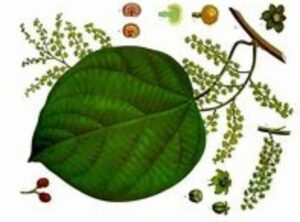
    OIPCommon Names: Indian berry; fish berry; levant nut.

    General Information

    Cocculus Indicus (Cocc.) is a key remedy for motion sickness or complaints following lack of sleep, especially lack of sleep from caring for others. These complaints usually revolve around, dullness or confusion, dizziness, slowness, nausea, headaches, and weakness. Those needing Cocculus are often empathic, sensitive, serious, and tend to be quiet individuals.

    Motion Sickness

    • From looking at moving objects.
    • From riding in cars or boats.

    Nausea

    • From motion or looking at moving objects.
    • With dizziness.
    • On rising – has to lie down.
    • Worsened by the smell of food.

    Vertigo / Dizziness

    • From looking at moving objects
    • After loss of sleep.
    • Things spin in all directions.
    • Drunken feeling.

    Confusion and Fogginess

    • Slowing of reactions.
    • Slow to answer questions.
    • Weakness of memory for what has just been thought.

    Dysmenorrhoea / Painful Periods

    • With weakness, dizziness, and cramps.
    • Bleeding profuse, early, and dark.

    Sleep Disturbances

    • Sleeplessness from mental or physical exhaustion.
    • Sleeplessness from cares and worry about others.

    For Pets

    • Travel and motion sickness.
    • Dogs may salivate with the nausea but not vomit.

    Where do I find it?

    Cocculus (Cocc.) is available from our online store as a single remedy and is also included in the following Complexes (combination remedies): Brain Fog; Cramps – Menstrual; Fatigue – Mental; Insomnia from Anxiety or Grief; Motion Sickness; Nausea; Jet-lag.

    Home Treatment Guidelines

    Acute, Self-Limiting Conditions

    Conditions like colds or minor injuries, which are short-term and typically improve on their own, can be managed at home with homeopathy. However, in emergencies or if symptoms worsen, contact your healthcare provider.

    Chronic Conditions

    These home treatment instructions do not apply for ongoing issues, whether mentioned above or not, like persistent allergies or chronic pain. You should consult a qualified homeopath for a personalized treatment plan to achieve the best results with homeopathy for chronic conditions.

    How to Take the Remedy for Acute Conditions

    • Take one pill or five drops of the remedy. The frequency depends on symptom severity. As examples:
      • For life-threatening symptoms, take every 1 minute and seek emergency help immediately.
      • For mild symptoms, take every 4 hours.
    • Stop taking the remedy once you feel better. Resume if symptoms return.
    • If no improvement after four doses, choose a different remedy or consult a professional homeopath.
    • For more details on dosing, refer to: How Often to Dose with a 30C Homeopathic remedy.
    • For information on the different potencies, read: Guidelines on which potency to use

    Additional Notes From Past Masters

    Homeopathy is a 200-year-old system of medicine. Early homeopaths recorded detailed notes on how remedies worked, including initial tests, remedy relationships, and their experiences. These writings were shared to improve homeopathic practice and now offer fascinating insights into past uses of homeopathy. Here’s an example, edited and modernised for clarity, from Leaders In Homoeopathic Therapeutics (1898) by E. B. NASH M.D.:

    Leaders In Homoeopathic Therapeutics by E. B. NASH M.D.

    Cocculus Indicus (Cocc.)

    Weakness of cervical muscles, can hardly hold the head up.

    Weakness in small of back as if paralyzed; gives out when walking; can hardly stand, walk or talk.

    Hands and feet get numb; asleep.

    Headache with nausea and vomiting; gets faint and sick on rising up or riding in carriage or boat.

    General sensation of weakness; or weak, hollow, gone feeling in head, stomach, abdomen, etc.; < by loss of sleep or night watching.

    Great distention with flatulent colic, wind or menstrual colic; crampy pains, inclined to hernia.

    Modalities: < sitting up, moving, riding in carriage or boat, smoking, talking, eating, drinking, night watching; > when lying quiet.

    * * * * *

    Farrington says: “Cocculus acts on the cerebro-spinal system, producing great debility of these organs. It causes a paralytic weakness of the spine, and especially of its motor nerves; thus we find it a certain and frequent remedy in paralysis originating in disease of the spinal cord.

    It is especially indicated in the beginning of the trouble, when the lumbar region of the spine is affected; there is weakness in the small of the back as if paralyzed; the small of the back gives out when walking.

    There is weakness of the legs, and by the legs I mean the entire lower extremities; the knees give out when walking, the soles of the feet feel as if they were asleep, the thighs ache as if they were pounded; first one hand goes to sleep, then the other; sometimes the whole arm goes to sleep and the hand feels as if swollen. These symptoms lie at the foundation of the symptomatology of the whole drug; they all seem to depend upon spinal weakness.”

    Dunham says: “Its sphere of action is preeminently the system of animal life; the voluntary muscular system first, and then the sensorium are the primary seats of action. Nausea extending to the point of vomiting and accompanied by faintness and by severe vertigo when lifting the head is a characteristic symptom.”

    Hughes says: “It influences the voluntary muscles rather than the intellectual powers; with this Hahnemann’s provings entirely agree.”

    Pareira says: “It acts rather on the voluntary muscles than the intellectual powers.”

    We have given these quotations from different authors in order to find whether they afforded us much help from a practical standpoint. Dr. Hughes says the provings of Hahnemann corroborate these generalizations. We quote from the provings:

    “Weakness of the cervical muscles with heaviness of the head, muscles seem unable to support the head.” (Calc. phos, Verat. alb.). “Paralytic pain in the small of the back, with spasmodic drawing across the hips, which prevents walking.” “His knees sink down from weakness, he totters while walking and threatens to fall to one side.”

    “At one time his feet are asleep, at another the hands.” “The hand trembles while eating, and the more the higher it is raised.” “Now one hand, now the other, seems insensible and asleep.” The soles of the feet go to sleep, while sitting.” “General attacks of paralytic weakness, with pain in the back.”

    All these are verified symptoms from Allen’s Encyclopædia of Pure Materia Medica. They are in the simplest terms, and while they do agree with the statements of the above quoted learned men, acting upon the spine and motor muscles, could be applied to the cure of the sick according to the directions of Hahnemann by any layman of ordinary intelligence.

    Thus is the practice of curative medicine simplified, being delivered from speculative theorizings of dreamers, and if it will cure the sick in the case of a Cocculus patient, it will by the same unerring law of “symptom covering” do it in every curable case.

    We might sum up the whole action of this remedy upon the nervous system in one word, viz., prostration, but what does that amount to for purposes of prescribing.

    Many remedies prostrate fearfully, but each one has its peculiar kind of prostration, and when men, like I heard a celebrated surgeon in a homœopathic college do, make their boast that they prescribed on physiological ground, without any regard to symptomatology, I can but feel that such know little or nothing of the art of homœopathic prescribing, no matter what their other attainments.

    According to Hahnemann’s teachings symptomatology leads in scientific prescribing, no matter what the pathological condition.

    Aside from the symptoms which attend the general prostration and spinal trouble, or coupled with them, we have the following which are characteristic. “Confusion or stupefaction of the head, increased by eating and drinking.” “Vertigo, as if intoxicated and confusion of the mind.” “Whirling vertigo on rising up in bed; which compelled him to lie down again.” “Sick headache with nausea and inclination to vomit.” “All these symptoms are made particularly worse by riding in carriage or boat.” Sea-sickness. (Sea-sickness > on deck in fresh cold air.) (Tabac.).

    The headaches and vertigo of Cocculus are different from Bryonia, notwithstanding the fact that both are made worse by rising up in bed. In Bryonia and some other remedies the sickness at the stomach precedes the headache which in Cocculus is exactly the reverse. Painful sensation of weakness or emptiness in the head is found under Cocculus and is in keeping with the general weakness.

    This sensation of emptiness, which is another name for weakness, is a general characteristic of Cocculus, and is found in head, abdomen, bowels, chest, heart, stomach; in short, in all internal parts.

    The nausea of Cocculus, which is so constant a symptom of the headaches, is something like that which is so characteristic of Colchicum, viz.: “Extreme aversion to food, caused even by the smell of food, although with hunger.” With Colchicum there is more pronounced nausea, as well as aversion. The patient is nauseated even to faintness. There is with Cocculus a metallic taste in the mouth.

    The sensorium comes under the same profound depression that invades the general nervous system. The patient is sad, absorbed within himself, brooding, moody, silent, sits in a corner buried in sad thoughts, etc. This is particularly the case in nervous fevers. Depression, depression, depression. Cocculus has some very important symptoms in the abdominal and uterine regions.

    One is great distention of the abdomen. This is found in both flatulent colic and dysmenorrhœa. In flatulent colic, for which it is so valuable a remedy, the patient complains of a sensation as if the abdomen were full of sharp sticks or stones. The attacks are often at mid-night. The flatus seems here and there, and passage of it does not seem to relieve much, for new forms again take its place.

    Then again there seems to be great pressure in the inguinal region as if hernia would occur.

    In dysmenorrhœa, in addition to the distention, there are griping, cramping pains, which are very severe, and also a remarkable degree of weakness. She is so weak that she can hardly stand, walk or talk. This is very characteristic and, so far as weakness goes, resembles Carbo animalis, but in Cocculus it is in line with the general prostration of the remedy, while in Carbo animalis the flow weakens her. In Cocculus the flow may not be at all excessive, but on the contrary may grow less and less and a leucorrhœa appear in its stead, or even between the menses also. This is the way we have to differentiate between remedies if we are successful in practice.

    Now, if I were to give the four great characteristic symptoms of this remedy they would be these:

    1. Weakness of cervical muscles, with heaviness of head.

    2. Affections caused or < by riding in cars, carriage or boat.

    3. Sensation of weakness, or hollowness in various organs.

    4. Ill effects from loss of sleep, night-watching or over-work. (Causticum Cuprum met., Ignatia, Nitric acid.).