
t

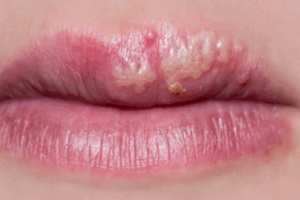
  • Remedies for Cold Sores

    Remedies for Cold Sores

    Quick Bits…

    These 9 remedies suit cold sores and their symptoms – neuralgic pains, crusting, cracking and bleeding, numbness, sores triggered by stimulants, and other symptoms.

    Read more | Comment


  • Know Your Remedies: Phosphorus (Phos.)

    Know Your Remedies: Phosphorus (Phos.)

    Phosphorus Common Names: Phos.

    General Information

    Phosphorus suits those who are open, affectionate, and sympathetic but also prone to being naïve, suggestible, or “spacey”. Children needing Phosphorus may have rapid growth. The senses can be hypersensitive with the person reacting strongly to odours, touch, sounds, and flavours or textures. Sleep – even short naps – relieves symptoms but will also worsen them if the person is sleeping on the left side. Phosphorus treats numbness and tingling as in multiple sclerosis, easy or prolonged bleeding in which the blood clots slowly, and even debilitation or collapse – but only when other symptoms suit. Mental-emotional Symptoms

    • Numerous fears and free-floating anxiety – thunderstorms, that something bad will happen, death, darkness.
    • Anxiety feels worse when alone but is relieved by company.
    • Fogged feeling – unable to think clearly.

    Vertigo and Head Symptoms

    • Dizziness with hot head.
    • Flushes of heat to the head.

    Throat and Respiratory Problems

    • Catches colds easily. Head colds descend to the chest.
    • Hoarseness or bronchitis during a cold.
    • Cough worsened by change in air temperature.
    • Pneumonia, especially left-sided, when other symptoms match.

    Endocrine Problems

    • Goitre of the thyroid gland, with heart palpitations.

    Back Problems

    • Burning between the scapulae (shoulder blades).

    Gastrointestinal Problems

    • Weak and empty sensation in abdomen.
    • Tendency to hypoglycaemic symptoms when meals are skipped.
    • Peptic ulcers – when other symptoms match.
    • Hunger during headache.
    • High thirst, especially for cold water.
    • Easy vomiting as cold drinks warm in the stomach.

    Limb Problems

    • Hands feel hot – sleeps with them outside the bed covers.
    • Numbness of fingers.

    For Pets

    • Easy or prolonged bleeding from simple wounds.
    • Anxious excitable pets.

    Where do I find it?

    Phosphorus is available from our online store as a single remedy, and as part of the following Complexes (combination remedies): Anxiety; Brain Fog; Cough – Loose; Dandruff; Fatigue – Physical; Headache – Tension; Hoarseness and Aphonia; Radiation Exposure; Snore Ease.

    Home Treatment Guidelines

    Acute, Self-Limiting Conditions

    Conditions like colds or minor injuries, which are short-term and typically improve on their own, can be managed at home with homeopathy. However, in emergencies or if symptoms worsen, contact your healthcare provider.

    Chronic Conditions

    These home treatment instructions do not apply for ongoing issues, whether mentioned above or not, like persistent allergies or chronic pain. You should consult a qualified homeopath for a personalized treatment plan to achieve the best results with homeopathy for chronic conditions.

    How to Take the Remedy for Acute Conditions

    • Take one pill or five drops of the remedy. The frequency depends on symptom severity. As examples:
      • For life-threatening symptoms, take every 1 minute and seek emergency help immediately.
      • For mild symptoms, take every 4 hours.
    • Stop taking the remedy once you feel better. Resume if symptoms return.
    • If no improvement after four doses, choose a different remedy or consult a professional homeopath.
    • For more details on dosing, refer to: How Often to Dose with a 30C Homeopathic remedy.
    • For information on the different potencies, read: Guidelines on which potency to use

    Additional Notes From Past Masters

    Homeopathy is a 200-year-old system of medicine. Early homeopaths recorded detailed notes on how remedies worked, including initial tests, remedy relationships, and their experiences. These writings were shared to improve homeopathic practice and now offer fascinating insights into past uses of homeopathy. Here’s an example, edited and modernised for clarity, from Leaders In Homoeopathic Therapeutics (1898) by E. B. NASH M.D.:

    Leaders In Homoeopathic Therapeutics by E. B. NASH M.D.

    Phosphorus (Phos.)

    Tall, slender, narrow-chested, phthisical patients, delicate eyelashes, soft hair or nervous, weak persons who like to be magnetized. Waxy, half anaemic, jaundiced persons.

    Anxious, universal restlessness, cant stand or sit still. < in dark or when left alone, before a thunder storm.

    Burnings prominent in every place, as in mouth, stomach, small intestines, anus, between scapulae, intense, running up spine, palms of hands, heat begins in hands, spreads to face.

    Craving for cold things, ice cream, which agrees, or cold water, which is thrown up as it gets warm in the stomach. Must eat often or he faints. Must get up at night to eat.

    Sinking, faint, empty feeling in head, chest, stomach and whole abdominal cavity.

    Cough, < twilight till midnight, < lying on left side, > on right side. Right lower lobe most affected.

    Diarrhoea, profuse, pouring out as from a hydrant; watery with sago-like particles or dysenteric, with wide open anus.

    Apathetic, unwilling to talk, answers slowly, moves sluggishly.

    Constipation: faeces slender, long, dry, tough and hard like a dog’s; voided with difficulty.

    Haemorrhagic diathesis; slight wounds bleed profusely, haemoptysis; metrorrhagia worse; vicarious, from nose, stomach, anus, urethra in amenorrhoea.

    Cannot talk; the larynx is so painful; cough, going from warm to cold air, laughing, talking, reading, eating lying on left side (Dros., Stan.).

    * * * * *

    As a general characteristic, Burning is almost as strong under this remedy as under Arsenicum and Sulphur. There is no organ or tissue in which it may not be found, from the outer skin to the innermost surface of every tract or parenchyma. It may be subjective only without actual rise of temperature, or it may attend organic changes in malignant diseases, with great rise of temperature.

    The sensation of burning in an intense degree should always place Phosphorus in the front rank for consideration. Again, there is perhaps no remedy having stronger action on The Nervous System. It attacks it in its very citadel of strength, the brain and spinal cord, producing softening or atrophy with all its attendant symptoms in their order, as prostration, trembling, numbness, and complete paralysis. It does this in both acute and chronic form of disease.

    It will be found in acute typhoids as well as in that slowly progressive disease, locomotor ataxia. Its causes may be sudden, like pneumonia, typhus, exanthematic diseases, croup, bronchitis, when vitality reaches its lowest ebb, or may arise in a condition undermined by grief, care, or excessive mental exertion; excess in venery or onanism.

    Its action at the first may be characterized by a burning heat in various parts, and especially in the skin, with restless moving and anxiety, especially at twilight. Over-sensitiveness of all senses, such as external impressions; light, odors, noises, touch, etc., and later when organic changes have taken place the other extreme, of loss of motion, sensation, and sensitiveness obtains.

    In the former state there is one very characteristic symptom, the patient moves continually, can’t sit or stand still a moment. Instead of fidgety feet, like Zincum, he is fidgety all over.

    Phosphorus affects every tissue. The blood becomes broken down or impoverished. Chlorosis and pernicious anaemia obtain. Apis and Kali carb. also each have anaemia or a pale waxy or what is called bloodless appearance of the patient.

    They all have oedema or bloating, and there is one peculiar difference in the face between them. In Kali carb. the upper lids bloat and hang down like a bag of water. In Apis it is more in the lower lids, while in Phosphorus they bloat all around the eyes; and the whole face bloats.

    Under Phosphorus the blood becomes so broken down that it will not clot any more, and we have purpura haemorrhagica.

    Even in apparently healthy tissues we have this strong characteristic discovered by Hahnemann, viz.: “Slight wounds bleed much.” This is what is called the hćmorrhagic diathesis, and much to be feared, as many persons having it may bleed to death from any slight abrasion; and this same tendency to bleed extends to fungoid growths like fibroids, fungoids, cancers, etc., and are very dangerous and troublesome.

    Then again Phosphorus attacks the bones in the form of necrosis. It is so especially of the lower jaw, but is also true of other parts, as the vertebrae; and I once cured a very extensive and long standing case of caries of the tibia with it.

    Fatty degeneration of heart, liver and kidneys, with the characteristic anaemic condition, should call attention to this remedy. General emaciation, rapid or slowly progressing like atrophy in children, also comes under its tissue destroying power.

    And so we find it to be a remedy of wide range and great power. But it is never enough for the homeopathist to know simply the action in general upon any organ or set of organs. He must know how it acts differently from other remedies when acting upon the same tissue or organs. Now while Phosphorus acts upon the mind, to cause, “great anxiety and restlessness” as in other remedies, Aconite, Arsenicum, etc, it must be remembered that it is the anxiety and restlessness that precedes another state.

    It belongs to a stage of irritation in the brain and nervous system which if not checked will go on to organic changes, which will be attended with a very different set of symptoms such as come for instance from actual brain softening in which appears apathy, sluggishness; talks slowly, is indifferent or won’t talk at all.

    There is one particular symptom worthy of note: the patient fears to be left alone; is afraid: afraid of the dark, in a thunder storm, etc. This is more during the irritable stage of which we have spoken.

    Phosphorus is a great remedy in typhoids, especially with lung complications, and here we often get stupor and low muttering delirium like Lachesis, but while Lachesis is worse after sleep, Phosphorus is generally better, if he can get to sleep.

    In the late stage of brain or nervous troubles, calling for this remedy, we find the patient losing all ambition to do anything; either mental or physical labor is shunned. There is great indifference. He cannot think with his usual clearness; cannot apply himself to study or mental operations, ideas come slowly or not at all. Again the patient is sometimes amative, or like Hyoscyamus shamelessly exposes himself.

    There is no remedy that covers a greater variety of mind symptoms arising from brain trouble than Phosphorus.

    No remedy produces greater vertigo, with a longer list of various connections. I have found it one of the best and oftenest indicated for vertigo of the aged. Chronic congestion to the head is characteristic, and the sense of burning in the brain is prominent; the heat and congestion seems to come up from the spine.

    Heat running up the back is more characteristic of this than any other remedy.

    Deafness is prominent, and is peculiar, in that it is especially deafness to the human voice, a common symptom in the aged.

    The most frequent use I have made of the remedy in nose affections is in a chronic catarrh, in which the patient frequently blows small quantities of blood from the nose; the handkerchief is always bloody.

    As I said when writing upon the tissues, the face of Phosphorus is characteristically pale and bloated around the eyes, but in pneumonia we often find circumscribed redness of the cheek upon the side of the lung inflamed. This is also true with Sanguinaria.

    About the mouth and tongue I do not know anything particularly characteristic. It has a peculiar symptom of the throat. The food swallowed comes up immediately as if it had never reached the stomach. This is supposed to be due to spasmodic stricture of the śsophagus.

    Under appetite and thirst we have some very valuable indications for this remedy.

    Hunger is one, must eat often or he faints; right after or soon after a meal, is hungry; hungry in the night; must eat. He is relieved by eating, but is soon hungry again. This calls to mind Iodine, Chelidonium, Petroleum, Anacardium, etc.

    The thirst is also peculiar. He wants cold things, like Pulsatilla, but as soon as they get warm in the stomach they are vomited.

    Some people have an abnormal craving for salt, or salt food, and eat too much of it. Phosphorus is a good remedy to counteract the bad effects. (Nat. mur.).

    We have many kinds of vomiting under Phosphorus, but nothing characteristic except the one already mentioned.

    We have already spoken of the hungry, faint feeling in the stomach. Sometimes this is described as an empty, gone feeling, and here again we think of such remedies as Ignatia, Hydrastis, Sepia and others; but Phosphorus does not stop here with this sensation, but extends through the whole abdomen. No remedy has this feeling in the abdomen so strong as Phosphorus.

    Under stool and rectum occur some very characteristic symptoms also, for instance: Stools profuse, watery, pouring away as from a hydrant, with lumps of white mucus, like grains of tallow. Stools bloody, with small white particles like opaque frog-spawn. Stools involuntarily oozing from a constantly open anus, or dysenteric stools with wide-open anus and great tenesmus. Constipation; faeces slender, long, dry, tough like dog stools. No remedy has a richer array of stool symptoms, and as we see by the above few select ones, some of them are very unique and have often been verified. It will repay any physician to carefully and frequently look them over.

    This remedy powerfully excites the sexual appetite in both sexes. It is almost irresistible, and leads the patient into a mania in which he will expose himself. This is succeeded by the opposite extreme of impotence, though the desire remains after the ability to perform is gone. Of course, these sexual symptoms are accompanied with concomitant symptoms of the drug.

    Upon the female sexual organs Phosphorus is true to its general haemorrhagic tendencies; if the menses do not appear, there is often vicarious bleeding from the nose or lungs instead. Phosphorus is bound to bleed. It is so with cancer of the womb or breasts also. They bleed easily.

    Upon the respiratory organs also this is one of our greatest remedies. Beginning with the voice and larynx, it causes and cures great hoarseness. Patient can hardly make a loud noise, and is apt to be worse in the evening or fore-part of the night. There is pain in the larynx, worse by talking, or can’t talk at all on account of it.

    In croup, it sometimes comes in after Aconitum and Spongia have failed. The disease has progressed downward until it involves the bronchi and parenchyma of the lungs. It is of indispensable value here, and, also when, after the violence of the affection seems to have abated, the patient hoarses up every evening and seems to be inclined to relapse.

    In bronchitis the cough is tight, worse from evening to midnight, also from speaking, laughing, reading aloud (Argentum met.), cold, and lying on left side. The patient suppresses the cough with a moan just as long as he can, because it hurts him so. The whole body trembles with the cough.

    It has great oppression of breathing in both acute and chronic affections of the lungs. There is heaviness, as of a weight on the chest.

    In pneumonia, for which Phosphorus is one of our best remedies, it attacks by preference the lower half of the right lung. It is apt to be indicated by the symptoms, either at the beginning of the stage of hepatization, when it puts a stop to the further progress of the disease, but its more frequent application comes in where the stage of hepatization is past and we want to break it up and promote absorption or resolution. Here it has no equal, as I am fully convinced by abundant experience.

    Now, do not misunderstand and give the remedy blindly on a pathological indication only. If you do you will sometimes fail, and ought to. But I repeat, this remedy will oftener be found the indicated one here than any other. After the hepatization begins to break up, other remedies like Tartar emetic, Sulphur and Lycopodium will come in.

    In pleuritis you will find stitches in the left side increased by lying upon the left side. Remember in both affections Phosphorus is characteristically increased by lying upon the left side.

    In tuberculosis, it is oftenest indicated in the incipient stage with symptom of cough, oppression and general weakness already mentioned; but I have often found it indicated in the later stages, and if given very high and in the single dose and not repeated have seen it greatly benefit even incurable cases. If given too low and repeated it will fearfully aggravate.

    One of the most characteristic symptoms of this remedy is, “feeling of intense heat running up the back.” Again the burning may be in spots along the spine. Also it has intense heat burning between the scapula (See also Lycopodium.) These, like the rest of the burning of Phosphorus, often occur in diseases of the spine and nervous system, but not necessarily so. Like Zinc, these burnings may be purely subjective, but are none the less valuable as therapeutic indications.

    Another very characteristic symptom of Phosphorus is burning of the hands. It is as strong as the burning feet of Sulphur, and is found both in acute and chronic diseases; cannot bear to have the hands covered. The flashes of heat all over (which Phosphorus has) begin in the hands and spread from there even to the face. It now remains to call attention to the Constitution of Phosphorus.

    1. “Tall, slender persons of sanguine temperament, fair skin, blonde or red hair, quick, lively perception and sensitive nature.”

    2. “Tall, slender phthisical patients, delicate eyelashes, soft hair.”

    3. “Tall, slender women disposed to stoop.”

    4. “Young people who grow too rapidly and are inclined to stoop.”

    5. “Nervous, weak persons who like to be magnetized.”

    Now, in number four there is not the tendency to grow fat, like Calcarea carbonica, but tall, and you will notice that the Phosphorus element in Calcarea phosphorica takes away the fat producing property of the Calcarea element.

    Now, in closing, we desire to say we have only touched upon the wonderful virtues of this drug, which must be studied in its entirety. Enough, however, we trust to convince of its great value.

  • Study: Remedies for Pains in the Neck

    Study: Remedies for Pains in the Neck

    Quick Bits…

    Neck pain is a common problem. By the age of 65-years, more than 90% are affected. Homeopathy makes a big difference.

    Read more | Comment


  • What Is Neuropathy and How Do You Treat It?

    What Is Neuropathy and How Do You Treat It?

    Quick Bits…

    Amongst these philosophical thoughts, you will find remedies for pains that worsen at night, tingling, heaviness, numbness, and more.

    Read more | Comment

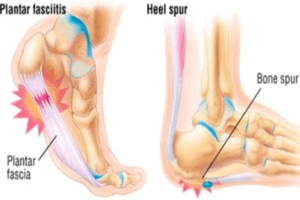
  • Remedies for Heel Pain

    Remedies for Heel Pain

    Quick Bits…

    A good symptom match with one of these remedies for plantar fasciitis and heel spurs can soon have you up and walking again.

    Read more | Comment

  • Know Your Remedies: Ignatia Amara (Ign.)

    Know Your Remedies: Ignatia Amara (Ign.)

    Ignatia-amara-3 Common Name: St Ignatius bean; Aguwasun; Igasud.

    General Information

    Prepare from the poisonous fruit of a tree native to the Philippines and parts of China. The remedy is no longer toxic when prepared in homeopathic potencies. Those needing Ignatia tend to be idealistic and strongly affected by sudden disappointment or grief. Symptoms arise from a conflict between feelings and reality and may result in hysteria. They are easily offended and have changeable or volatile emotions. Disappointments lead to bitterness, recriminations or emotional hardness. Heightened emotions lead to sighing and the sensation of a lump in the throat. Paradoxical symptoms occur such as nausea better for eating a heavy meal, or throat pain better for swallowing rough or hard food. There is an aversion to tobacco smoke, and tics, twitches, hiccoughs, or spasmodic movements are common. Perspiration is only on the face.

    Emotions

    • Changeable, unpredictable, hysterical, easily offended.
    • Laughing then weeping in the same sentence.
    • Weeping in sobs, away from company.

    Grief

    • Sighing with grief or disappointment
    • Sensation of a lump in the throat
    • Ailments following grief – eg. Numbness, paralysis, twitches, missed periods, hair loss.

    Shock

    • From grief or sudden disappointment

    Headaches

    • From grief, disappointment, or heightened emotion.
    • As if a nail driven into head.

    Hair Loss

    • Following grief

    Cough

    • “Hysterical” cough from heightened emotions.

    Insomnia

    • Inability to sleep, or excessive sleep, following grief or disappointment.

    For Pets

    • Grief from early weaning, or the loss of a companion or offspring.
    • Onset of complaints since grief.
    • Refusal to come. Act as if offended or insulted.

    Where do I find it?

    Ignatia Amara (Ign) is available from our online store as a single remedy and is also included in the following Complexes (combination remedies): Grief and Loss; Emotional Shock; Panic Stop; Insomnia from Anxiety or Grief.

    Home Treatment Guidelines

    Acute, Self-Limiting Conditions

    Conditions like colds or minor injuries, which are short-term and typically improve on their own, can be managed at home with homeopathy. However, in emergencies or if symptoms worsen, contact your healthcare provider.

    Chronic Conditions

    These home treatment instructions do not apply for ongoing issues, whether mentioned above or not, like persistent allergies or chronic pain. You should consult a qualified homeopath for a personalized treatment plan to achieve the best results with homeopathy for chronic conditions.

    How to Take the Remedy for Acute Conditions

    • Take one pill or five drops of the remedy. The frequency depends on symptom severity. As examples:
      • For life-threatening symptoms, take every 1 minute and seek emergency help immediately.
      • For mild symptoms, take every 4 hours.
    • Stop taking the remedy once you feel better. Resume if symptoms return.
    • If no improvement after four doses, choose a different remedy or consult a professional homeopath.
    • For more details on dosing, refer to: How Often to Dose with a 30C Homeopathic remedy.
    • For information on the different potencies, read: Guidelines on which potency to use

    Additional Notes From Past Masters

    Homeopathy is a 200-year-old system of medicine. Early homeopaths recorded detailed notes on how remedies worked, including initial tests, remedy relationships, and their experiences. These writings were shared to improve homeopathic practice and now offer fascinating insights into past uses of homeopathy. Here’s an example, edited and modernised for clarity, from Leaders In Homoeopathic Therapeutics (1898) by E. B. NASH M.D.:

    Leaders In Homoeopathic Therapeutics by E. B. Nash M.D.

    Ignatia Amara (Ign.)

    Remedy of paradoxicalities. Head better lying on painful side, moody, goneness not > by eating, sore throat < by swallowing, thirst during chill, face red during chill, etc.

    Sad, sighing, changeable, moody disposition.

    Twitching or spasms, or convulsions from exciting or depressing emotions, fright, etc.

    All-gone, weak, empty sensation in stomach not > by eating.

    Anal troubles (piles, prolapsus, soreness and pain after stool, pains shooting up into abdomen).

    Adapted to emotional, hysterical subjects.

    Modalities: < slight touch, smoking, coffee; > lying on painful side; hard pressure; profuse watery urination.

    Cough; dry, spasmodic; not relieved by coughing; the longer he coughs the more the irritation to cough increases.

    Pain; in small circumscribed spots; over-sensitive (Coff., Hep.).

    In most cases Ignatia should be given in the morning.

    Ignatia bears the same relation to the diseases of women that Nux does to bilious men.

    * * * * *

    Ignatia is another one of the long list of our nervous remedies.

    Its peculiar mental symptoms, like those of Aconite, Chamomilla, Nux vomica and many others, are most characteristic. Like these remedies, it seems to exalt the impressionability of all the senses; but unlike the others, it has in it a marked element of sadness, and disposition to silent grieving.

    Anyone suffering from suppressed, deep grief, with long drawn sighs, much sobbing, etc., and especially if inclined to smother or hide that grief from others, is just the subject for this remedy. She desires to he alone with her grief. Sighs much and seems so sad and weak. The weakness is complained of right in the pit of the stomach. She feels weak, faint, and “all gone” there.

    Another equally characteristic state or mind is a changeable mood. No remedy can equal Ignatia for this. Aconite, Coffea, Nux moschata and a few others have it, but Ignatia in the greatest degree. And so this remedy becomes one of our best in the treatment of hysterical affections.

    The patient is at one time full of glee and merriment, to be followed suddenly with the other extreme, of melancholy sadness and tears, and so these states of mind rapidly alternate.

    Again, we have in Ignatia an impatient, quarrelsome, angry mood (but not to the degree of Chamomilla) at times.

    Again the Ignatia patient is, because of her excessive impressibility, easily frightened. Here it becomes one of our best remedies for the effects of fright, vying with Aconite, Opium and Veratrum album.

    In short, Ignatia may justly be termed Pre-eminently the remedy of moods.

    Aside from its mental symptoms, it is a great nervous remedy. Its acts upon the spine as decidedly as Nux vomica, affecting both motor and sensory nerves.

    It is one of our best remedies for spasms or convulsions, and is especially adapted to spasmodic affections originating in mental causes, as after fright, punishment of children or other strong emotions.

    In one case of puerperal convulsions, other remedies having failed to do any good, the consulting physician while observing the patient during one of the spasms noticed that she came out of it with a succession of long drawn sighs. He inquired if the patient had had any recent mental trouble, and learned that she had lost her mother, of whom she was exceedingly fond, and whom she had mourned for greatly, a few weeks before. Ignatia 30th quickly cured her.

    Again, short of actual convulsions, Ignatia has, in a most marked degree, twitchings all over the body, hence it becomes one of our best remedies for chorea, especially if caused by fright or grief on the mental side, or teething or worms on the reflex irritation side.

    There is only one remedy that comes near it for these twitchings and that is Zincum metallicum. Of course, Agaricus, Hyoscyamus, Cuprum met., etc., come close, and some might think are equal. Veratrum viride, when better known, may lay claim to high rank here.

    Ignatia is sometimes recommended for paralysis, but will be found, I think, exceptionally useful, and that mainly in hysterical cases, which are not of a very dangerous character.

    Like Aconite, Chamomilla and Coffea, Ignatia is over-sensitive to pain.

    Ignatia, like its male partner, Nux vomica, is a great remedy for headaches of nervous, especially hysterically nervous, subjects. That would be about the same as saying, that while Nux vomica is adapted to nervous men Ignatia is the same for women, which is quite true.

    You will remember that hysterical, nervous headaches are often one-sided. Hence Ignatia is such an efficient remedy for headaches as expressed in these words: “Headache as if a nail there driven out through the side of the head relieved by lying on it.” These headaches come on in highly nervous and sensitive subjects, or in those whose nervous systems have suffered from over-anxiety, grief or mental work.

    The ever-changeable and contradictory symptoms so characteristic of the drug shows here as elsewhere. Not only does the pain in head change locality but at one time the pain will come on gradually and abate suddenly (like Sulphuric acid ), or, like Belladonna, it will come on suddenly and abate as suddenly as it came.

    Like Aconite, Gelsemium, Silicea, and Veratrum album, the headache often terminates with a profuse flow of urine. That is often the case in headaches of nervous hysterical women. (Lac defloratum, profuse flow during headache).

    Finally the headaches are aggravated by coffee, smoking, the abuse of snuff, inhaling tobacco smoke, alcohol, close attention, from pressing at stool, and, while it is sometimes relieved while eating, is aggravated soon after.

    The Ignatia headache is sometimes accompanied by hunger like that of Psorinum. It is also < by cold winds, turning head suddenly, stooping, change of position, running, looking up long, moving the eyes, noise and light.

    It is ameliorated by warmth, lying on it, soft pressure, external heat and profuse flow of limpid urine.

    Ignatia has some strong throat symptoms. In the first place it has the so commonly observed symptom called “globus hystericus,” or as if a lump came up from the stomach into the throat as if she would choke. She swallows it down but it comes right back and is very distressing. It is especially apt to come if she gets grieved and wants to cry.

    These are of course purely nervous sensations, but Ignatia goes further, and also cures real serious affections of the throat like tonsillitis and diphtheria. In these cases the real characteristic symptom is, that the pain and suffering in the throat is relieved by swallowing or is worse between the acts of deglutition. (Capsicum).

    A very peculiar symptom for such troubles, for such cases are generally aggravated by swallowing, hence we would not expect to frequently find a case in which this would be the remedy; but such cases do arise occasionally and baffle us if we haven’t the remedy. Here is where HomÅ“opathy, as we say in base ball, “scores some of its best runs,” and the satisfaction of curing such a case with an unusual remedy is, to say the least, very gratifying to him who performs the cure.

    With Ignatia cases, in addition to the aggravation when swallowing liquids and relief from swallowing solids. This is like Lachesis, you remember, but is the reverse of Baptisia, which can swallow liquids only; the least solid food gags. It is necessary to keep these correspondences and opposites in mind, for it often enables us to make what are called “snap shot” prescriptions and save much time, study and suffering.

    Some of the particularly valuable “guiding symptoms” of Ignatia, in addition to those already noticed, are “extreme aversion to tobacco smoke.” This is a general aversion and aggravates many, many complaints. “Weak, empty, gone feeling at the pit of the stomach.”

    In the case of Ignatia this symptom is apt to be accompanied by a disposition to sigh or take a long breath. Two other remedies have this symptom of goneness in the stomach as prominently as Ignatia. They are Hydrastis and Sepia. The other symptoms must decide between them.

    This weak feeling in the stomach in Ignatia is sometimes described as a feeling of flabbiness, as though the stomach hung down relaxed. Ipecacuanha has a similar feeling. Sometimes we come across very severe cases of gastralgia in women of hysterical tendencies. Here this remedy is the first to be thought of.

    Ignatia has as positive action upon the anus and rectum as does Nux vomica. Prolapsus of the rectum is marked. (Ruta graveolens).

    Like Nux vomica it has frequent desire for stool, but in place of stool, or with it, comes the prolapsed rectum. The patient is afraid to strain at stool, to stoop down or lift, for fear of the prolapsus. A contractive sore pain follows after a stool and lasts for an hour or two. This is like Nitric acid, which has the same symptom only after a loose stool.

    There is also some pain in anus without reference to stool. Dunham, that prince of observers, gave us the characteristic: “Sharp pains shooting upward into the rectum.” (Sepia has similar pains in uterus). It is a gem, and has often been verified. So we see that Ignatia is one of our important anal and rectal remedies.

    This remedy is also very unique in its fever symptoms. There is no disease in which we are better able to show the power of the potentized remedy to cure, than intermittent fever. Chronic cases that have resisted the Quinine treatment for years are often quickly and permanently cured by the 200th and upwards.

    The following symptoms indicate Ignatia: 1st. Thirst during chill and in no other stage. 2d. Chill, relieved by external heat. 3d. Heat aggravated by external covering. 4th. Red face during the chill. Here are four legs to the stool, and we may sit upon it in perfect confidence. No other remedy has thirst during chill and in no other stage.

    In Nux vomica, you will remember, the chill is not relieved by the heat of the stove, or the bed, and during the heat Nux vomica must be covered, as the least uncovering brings back the chill. So we see that notwithstanding the alkaloid of both drugs is strychnia they differ widely when we come to apply them to the cure of the sick.

    The red face during chill led me to the cure of an obstinate case, and after I noticed the red face I also noticed that the boy was behind the stove in the warmest place he could find. The 200th promptly cured.

    Two other cases in the same family, at the same time, and from the same malarious district, were cured, one by Capsicum, 200th. the other by Eupatorium perfoliatum, same potency. The former had chill beginning between shoulders, in the latter the chill in the A. M., great pain in bones before, and vomiting of bile at the end of chill.

    I do not know but I have mentioned these three cases before; but it will bear repeating, for it illustrates the efficacy of potencies in obedience to our great law of cure. can any reasonable man doubt such evidence?

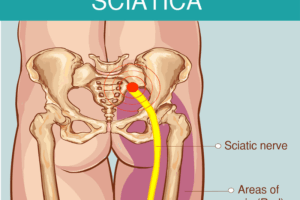
  • Homeopathy for Sciatica

    Homeopathy for Sciatica

    Quick Bits…

    Ten remedies for sciatic pain – tearing, shooting, constricting, numbness, need to move or need to keep still, and numerous other symptoms. One of these remedies could help you.

    Read more | Comment