
t

  • Know Your Remedies: Bellis Perennis (Bell-p.)

    Know Your Remedies: Bellis Perennis (Bell-p.)

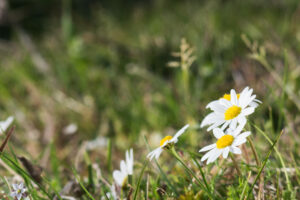
    Bellis perennis white daisies among the grass

    Common Names: European daisy; English daisy; common daisy; lawn daisy.

    General Information

    Bellis Perennis (Bell-p.) is similar to Arnica montana (Arn.) in that it is a useful remedy for bruises, sprains, and injuries. The pains feel bruised and sore, and may be relieved by movement and rubbing the affected area. It’s a remedy to consider when Arnica fails to help.

    Bell-p. is used for pain from trauma and bruising to the deeper tissues during surgery, especially of the abdomen and pelvic area, and aids in recovery. It’s also useful for swelling following injury or surgery, especially if Arnica montana hasn’t helped.

    The person needing Bell-p. may experience ailments from rapid chilling by cold air, cold drinks, or getting wet, when hot. They may also crave pickled foods.

    Abdomen and Pelvic Area

    • Injury, surgical wounds, or abscesses of the abdomen or pelvic area.
    • Soreness of the abdominal wall during pregnancy.
    • Pain and injury of the pelvic organs following childbirth.

    Female

    • Types of dysmenorrhoea with intense sore, bruised pains.

    Breast Problems

    • Breast cancer following injury to the breast.

    Musculoskeletal

    • Bruising and haematomas following blows or injuries to the limbs.
    • Sprains with bruising, stiffness and coldness.
    • Types of rheumatism especially in older people and those who ‘overwork’.
    • Injuries to the coccyx (tailbone).

    Skin

    • Abscesses with bruising or bruised, sore pains.

    Where do I find it?

    Bellis Perennis (Bell-p.) is available from our online store as a single remedy in either pills or liquid, and as part of the following Complexes (combination remedies): Bruises; Sprains and Strains.

    Home Treatment Guidelines

    Acute, Self-Limiting Conditions

    Conditions like colds or minor injuries, which are short-term and typically improve on their own, can be managed at home with homeopathy. However, in emergencies or if symptoms worsen, contact your healthcare provider.

    Chronic Conditions

    These home treatment instructions do not apply for ongoing issues, whether mentioned above or not, like persistent allergies or chronic pain. You should consult a qualified homeopath for a personalized treatment plan to achieve the best results with homeopathy for chronic conditions.

    How to Take the Remedy for Acute Conditions

    • Take one pill or five drops of the remedy. The frequency depends on symptom severity. As examples:
      • For life-threatening symptoms, take every 1 minute and seek emergency help immediately.
      • For mild symptoms, take every 4 hours.
    • Stop taking the remedy once you feel better. Resume if symptoms return.
    • If no improvement after four doses, choose a different remedy or consult a professional homeopath.
    • For more details on dosing, refer to: How Often to Dose with a 30C Homeopathic remedy.
    • For information on the different potencies, read: Guidelines on which potency to use
  • Wound Heals with Homeopathy

    Wound Heals with Homeopathy

    Highlights

    • A horse failed to respond to antibiotic treatment after surgery.
    • Oxacillin-resistant Staphylococcus haemolyticus and Actinobacillus equuli were diagnosed.
    • Clinical signs resolved after treatment with homeopathic Silicea terra.
    • Homeopathic Silicea may be beneficial in other cases of antimicrobial-resistant bacteria.
    • Considering global threat of antimicrobial resistance to both humans and animals, further studies are needed.

    This gorgeous horse was treated with homeopathy for a post surgical infection

    Author

    Petra Weiermayer

    Abstract

    A 4-year-old trotter gelding was treated homeopathically for delayed wound healing after surgery associated with antimicrobial-resistant bacteria.

    The horse failed to respond to antibiotic treatment with intravenous gentamicin and penicillin followed by oral sulfadiazine natrium and trimethoprim.

    Deep wound swab, bacterial examination, and microbial sensitivity test diagnosed oxacillin-resistant Staphylococcus haemolyticus and Actinobacillus equuli.

    At presentation for homeopathic treatment, the horse showed putrid inflammation, edema, and seroma.

    After treatment with the homeopathic medicine Silicea terra, resolution of clinical signs occurred.

    Homeopathic Silicea terra is one of many homeopathic medicines that may be beneficial in treating cases of putrid wound healing disorders associated with antimicrobial-resistant bacteria.

    Hence, considering the global threat of antimicrobial resistance, further studies should be conducted in cooperation with homeopathically trained veterinarians.

    Journal Purchase Point for Full Report: Wound Healing Disorder in a Horse, Associated With Antimicrobial-Resistant Bacteria, Resolved With a Homeopathic Medicine – A Case Report

  • Avoiding Surgery for Gallstones

    Avoiding Surgery for Gallstones

    Quick Bits…

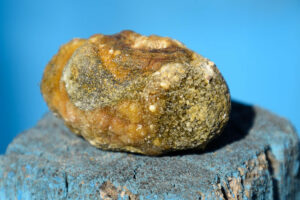
    In some countries, homeopathy is used by doctors ahead of gallstone surgery to help dissolve or pass them.

    Read more| Comment

  • Surgery? How Homeopathy Helps

    Surgery? How Homeopathy Helps

    bigstock-surgery-medicine-and-people-c-125348720Quick Bits…

    Discover five remedies which don’t interact with conventional medicines and can help relieve the discomfort, pain and stress of surgery.

    Read more | Comment


  • Homeopathic Help for Surgery

    Homeopathic Help for Surgery

    Quick Bits…

    Five common homeopathic remedies for the anxiety, pain, shock and injury of having dental or other types of surgery.

    Read more | Comment

  • Homeopathy Hospital Cases

    Homeopathy Hospital Cases

    Quick Bits…

    What’s it like working at a busy homeopathic hospital? This doctor tells of complex organ failure treatment and cases in which by-pass surgery was avoided.


    Read more | Comment