

-
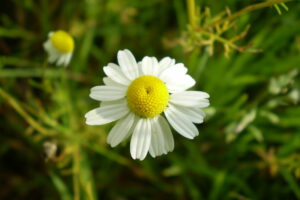
Chamomilla matricaria (Cham.)
Chamomilla matricaria (Cham.) is a plant with small daisy-like flowers native to Europe and temperate Asia. It is now grown in most parts of the world. Chamomilla is used by hebalists and homeopaths as a gentle sleep aid and for digestive complaints. Its effect is homeopathic even when used in raw herbal form (when taken…
-
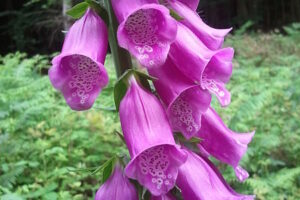
Digitalis purpurea (Dig.)
Digitalis purpurea, known commonly as foxglove, is a flowering plant native to most parts of Europe. It is the original source of the heart medicine digoxin, (also called digitalis or digitalin). Digitalis, during its homeopathic provings slowed the pulse rate of those who took it. As a result it is used homeopathically as a ‘similar’…
-

Know Your Remedy: Capsicum Annuum (Caps.)
Capsicum Annuum, commonly called red pepper, is an annual herbaceous plant grown in warmer parts of the world for its edible oblong fruit. The homoeopathic remedy, Capsicum (Caps.), is prepared from this fruit and its seeds. Capsicum suits people with a heavy build who are prone to nostalgia, sadness, depression, and conditions that affect the…
-
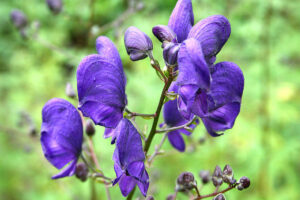
Aconite napellus (Acon.)
Aconite napellus is a purple flowering plant found in Western and Central Europe. It is known by the common names of monkshood (because of the shape of the flower) or wolfsbane (because of its use in hunting). It has a long history of use as a poison and was often used on arrow and spear…
-
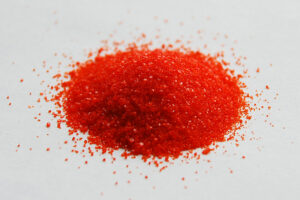
Kali bichromicum (Kali-bi)
Kali-bi is prepared from potassium bichromate, a common chemical reagent with many industrial and laboratory applications. Homeopathic Kali-bi is used for thick, gluey or ropey discharges from the mucous membranes. The person may have pains in small spots (able to be covered by a thumb) such as occur with sinusitis. Arthritic pains may move from…
-
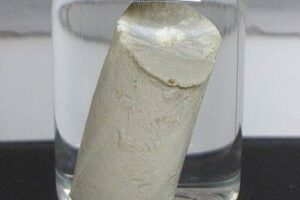
Phosphorus (Phos.)
Phosphorus is a chemical element that exists in combination with other minerals in nature, principally as phosphate salts. As calcium phosphate it is a major component of bones. Its main use is in fertilisers and detergents. White phosphorus is highly reactive and bursts into flames when exposed to warm air hence its name which means…