t

  • Brain Injury – Homeopathic Help

    Brain Injury – Homeopathic Help

    A scan of a brain with brain injuryIn a 2009 study, homeopathy stimulated significant improvement in people with traumatic brain injury, even when that injury was many years old.

    Patients entered the study via their rehabilitation therapists and neurologists after struggling with persistent problems such as short attention span, slowed thinking, reduced ability to learn and process information, headaches, fatigue, sleep disturbances, impatience; frustration, confusion, poor judgement, depression, mood swings, blurred vision, vomiting, and a number of other less common symptoms.

    They were all classified as having mild traumatic brain injury.

    During treatment, the individual pattern of each patient’s symptoms was cross-referenced to a corresponding homeopathic remedy known to elicit or improve those symptoms.

    The group reported significant improvement, especially in their ability to understand technical or work-related information, follow instructions, read newspapers or novels, do housework, and socialise successfully in small or large groups.

    Some who had been unable to work for years were also able to return to work.

    The paper provides a table of the eighteen homeopathic remedies with their “keynote symptoms” which were used during the study. They were:

    1. Argentum nitricum (Silver nitrate, AgNO3 ). Anticipation, impulsiveness, agoraphobia, claustrophobia, vertigo, and photophobia.
    2. Arnica montana (Leopard’s Bane). Sore, bruised sensations, denial of illness, hopeless indifference, vertigo, head feels hot or enlarged, and diplopia.
    3. Aurum metallicum (Gold, Au). Suicidal depression, feeling of neglecting one’s duty, music ameliorates, violent headaches often with chest oppression, and photophobia.
    4. Baryta carbonica (Barium carbonate, BaCO2 ). Slow comprehension, irresolution, lack of confidence, feels people are ridiculing, and numbness of parts lain on.
    5. Calcarea carbonica (CaCO2 ) Flabby, fear of insanity and being observed, chilliness, profuse perspiration, worse on exertion, and sleeplessness from cares.
    6. Cicuta virosa (Water hemlock) Convulsions, cramps, strabismus, objects in the vision appear to approach and recede, tinnitus, childish behavior, estrangement, and want of confidence in mankind.
    7. Cocculus indica (Indian cockle) Worse loss of sleep, reaction time slowed, nausea from sight or smell of food, car sickness, weakness, numbness, trembling, empty and hollow sensation.
    8. Helleborus niger (Snow-rose) Stupor, staring/thoughtless, slow, forgetful, feels doomed, what the patient sees, hears or tastes makes no impression on the mind, and worse 4–8 p.m.
    9. Hyoscyamus niger (Henbane) Suspicion, violent outbursts, loquacity or silent disposition, shamelessness, playing with fingers, twitchings, jerks, and cramps.
    10. Hypericum perforatum (St. John’s Wort) Mistakes in writing, omitting letters, injuries to nerves-attended with headache, vertigo, convulsions, neuralgic pains worse with change of weather.
    11. Lachesis muta (Bushmaster snake venom) Overactivity, loquacity, vivid imagination, passionate and intense, better discharges, especially menses, left-sided complaints, and worse after sleep.
    12. Natrum muriaticum (NaCl) Defensive, closed, cautious, dwells on past, disagreeable occurrences, silent grief, averse to consolation, headaches, desire for salt, worse with heat, sun, and at the seaside.
    13. Natrum sulphuricum (NaSO4 ) Objective, realistic, no delusions, sadness and suicidal tendency, headaches, photophobia, vertigo, worse, dampness, aggravated in the morning after rising, and at 4–5 a.m.
    14. Nux moschata (Nutmeg) Dreamy, confused, slowness of response, overpowering sleepiness, sensation of extreme dryness of mouth and throat, yet no thirst.
    15. Nux vomica (Poison-nut) Ineffectual urging [work, stool, micturition], fastidious, ambitious, unrefreshed, irritable, depressed, chilly after over medication, use of stimulants, and cramps.
    16. Papaver somniferum (Opium) Disassociation after fright, flashbacks, unaffected by external impressions, or boldness and fearlessness, somnolence, snoring respiration, and constipation.
    17. Silica (SiO2 ) Obstinate, fixed ideas, lack of confidence, fastidious, occipital headaches, sensitive to noise, drafts, and slowness.
    18. Sulphur (S) Self-centerd, theorizing, no depth or focus; lazy, messy, warm-blooded, burning pains and sensations, offensive, excoriating discharges, desire for sweets and spicy food, and itching.

    The researchers noted that limitations of the study, such as a restricted number of remedies and potencies, and the short duration of treatment, may have resulted in an underestimation of the improvements possible.

    Following the results of this study, and with brain injury being such a disabling problem, it would seem wise to incorporate and trial homeopathy in the treatment plans of those affected by an injury.

    To date, no formal study has been conducted with the seriously brain-injured, but clinical experience of the past two centuries indicates it has been just as helpful there.

    More Information: Homeopathic Treatment of Mild Traumatic Brain Injury: A Randomized, Double-Blind, Placebo-Controlled Clinical Trial

  • Homeopathy for the World’s Fastest Man

    Homeopathy for the World’s Fastest Man

    Usain BoltUsain Bolt, Olympic sprinter and famed winner of numerous gold medals has been using homeopathy since the age of 16. He is a patient of German sports doctor Hans-Wilheim Muller-Wohifahrt who uses homeopathy at his German clinic. Bolt flies to Munich for check-ups with him at least twice a year.

    “I’ve been coming here since I was 16,” the 100m world record holder said at a press conference in Munich. “It’s been a long relationship. Every time I have a problem, he always gives good advice and treatments. He’s the best at what he does. We are very close,”

    Bolt was born with scoliosis, a curvature of the lower spine, which makes him more susceptible to back pain and injuries. He says “He’s the only person I’ve been to over the years that has figured out a way to make sure my back is okay and I can compete and I can stay on track.”

    There are thousands of trained homeopathic physicians in Germany and Dr Müller-Wohlfahrt is a world leader in the treatment of sports injuries. “He is well-known for his holistic approach. Though conventionally trained in medicine and orthopaedics, his treatment includes manual diagnostics, as well as herbal and homeopathic remedies and acupuncture.

    Other famous patients include Paula Radcliffe, Kelly Holmes, Tyson Gay, Ronaldo, Michael Owen, Steven Gerrard and Boris Becker. He is also the team doctor for the German national football team and FC Bayern München.”

    More Information

    London 2012 Olympics: Usain Bolt races to Germany for treatment with ‘Healing Hans’

    Usain Bolt earns impressive London victory with Rio looming

  • Homeopathy for Swollen Ankle

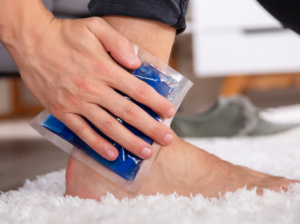
    Homeopathy for Swollen Ankle

    Quick Bits…

    These problems responded to homeopathy. The overlap of conventional and homeopathic treatments is discussed.

    Read more | Comment

  • Things That Happen to Fingers

    Things That Happen to Fingers

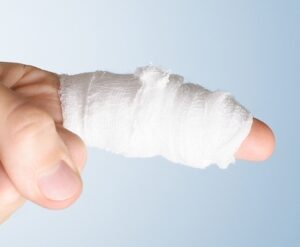
    A quick and easy guide on treating crushed, jammed, burnt, torn, or cut fingers with homeopathy.

    Fingers are both an essential part of the human body, and one of the easiest to damage.

    They can be crushed, jammed, burnt, torn, pricked, cut, frozen or have had their nails torn or ripped off. It’s said that hand and finger injuries make up a third of all trauma visits to doctors or hospital emergency departments.

    Homeopathy excels at first-aid treatment so we have compiled a list of remedies to turn to for finger injuries. They relieve pain, speed healing and reduce the risk of infection.

    For best results, the important thing to remember is that: homeopathic remedies are prescribed according to symptoms, not the specific problem.

    Bruising and Crushing

    (Think of the below remedies when fingers have been hit by a hammer, jammed in a door or caught in machinery.)

    Arnica montana (Arn.)

    Arnica is one of the key remedies for bleeding, bruising and soft tissue damage. It relieves pain, reduces swelling, stops bleeding, minimises the risk of infection and promotes healing. It also helps the body re-absorb bruised tissue.

    Hypericum (Hyper.)

    An excellent remedy for injury to nerve-rich areas such as fingertips. Also helpful for crushed fingers when the pain shoots upwards along a nerve.

    Ledum palustre (Led.)

    Bruising and swelling that feels cold or numb. Mottled discoloration. Pain is relieved by cold applications.

    Ruta graveolens (Ruta.)

    For injuries to tendons, cartilage and periosteum of bones. Stiffness and swelling with painful bruising.

    Cuts / Lacerations

    (Think of the below remedies when fingers have been caught in machinery, bitten by animals, or cut by sharp knives or implements.)

    Arnica montana (Arn.)

    Ideal for jagged cuts with a lot of tissue damage. Relieves pain, stops bleeding, minimises the risk of infection and promotes healing.

    Calendula (Calend.)

    Suitable for cuts and grazes where the wound is superficial rather than deep. It promotes healing and reduces the risk of infection. Calendula can be taken internally as drops or sugar pills, or applied externally in herbal form as a moist dressing.

    Hypericum perforatum (Hyper.)

    One of the main remedies for deep or infected cuts with pains that shoot up a nerve. Especially helpful for the pain of torn or ripped off nails.

    Ledum palustre (Led.)

    Cuts are swollen, cold, and mottled and the pain feels better for cold applications.

    Staphysagria (Staph.)

    Useful for cuts from sharp blades and knives. The wound will have a clean rather than jagged edge.

    Grazes and Superficial Wounds

    (Think of the following remedy when fingers have been scraped, abraded or damaged by friction.)

    Calendula (Calend.)

    Suitable for cuts and grazes where the wound is superficial rather than deep. It promotes healing and reduces the risk of infection. Calendula can be taken internally as drops or sugar pills, or applied externally in herbal form as a moist dressing.

    Nerve Pain and Nerve Injury

    (Think of the below remedies when fingers have been punctured, crushed, burnt or lacerated and have sharp, shooting pains.)

    Coffea cruda (Coff.)

    The patient is hypersensitive and over-reactive to the pain of any injury. Consider for the nerve pain of damaged fingers if Hypericum does not help.

    Hypericum perforatum (Hyper.)

    One of the main remedies for deep or infected cuts with pains that shoot up a nerve. Especially helpful for the pain of torn or ripped off nails.

    Fractured Bones

    (Think of the below remedies when bones in fingers have been broken by being crushing, jammed in doors, or caught in machinery)

    Arnica montana (Arn.)

    Arnica relieves pain, reduces swelling, stimulates healing and stabilises bleeding from fractured bones. The person will not want the affected finger touched. Arnica is mainly needed in the first 24 hours prior to Symphytum being prescribed.

    Ruta graveolens (Ruta.)

    For injuries to tendons, cartilage and periosteum of bones. Stiffness and swelling with bruised pains.

    Symphytum officinale (Symph.)

    Known as ‘knit-bone’ because of its ability to heal broken bones, Symphytum reduces pain and speeds up repair. It works best once any swelling and bleeding have been controlled by Arnica.

    Burns

    (Think of the below remedies when fingers have been burnt by hot pots and irons, boiling water, steam or flames.)

    Calendula (Calend.)

    Ideal for first and second degree burns from pots and pans or hot water. Promotes healing and reduces the risk of infection especially if the skin is blistered or broken. Take internally or apply externally in herbal form as a moist dressing.

    Cantharis (Canth.)

    Relieves pain and promotes healing in severe second or third degree burns. The pain of a Cantharis burn is intense, and the skin may blacken or blister.

    Urtica urens (Urt-u.)

    Prepared from the stinging nettle, this remedy is useful stinging pains of first-degree and second-degree burns.

    Puncture Wounds

    (Think of the below remedies when fingers have been punctured or pricked by plants, pins or needles, insect bites or stings, nails or machinery plants.)

    Hypericum (Hyper.)

    For puncture wounds with pains that shoot upwards along a nerve.

    Ledum palustre (Led.)

    For puncture wounds that cold, puffy, and mottled and where the pain is better for cold applications. Used historically as a treatment for tetanus, especially when muscles twitch around the wound.

    Silicea (Sil.)

    Useful for puncture wounds that produce stitching, splinter-like pains and wounds that are infected or starting to abscess. Helps the body expel splinters or other fragments wedged under the fingernail or embedded in the skin.

    Treating Damaged Fingers

    How often to take a dose of your chosen remedy depends on the intensity of the symptoms and how quickly you respond to the remedy. Initial doses may be needed as often as every 5 minutes, or as far apart as several hours. To find out more about dosing, read: How Often Should I Take a Dose of My Remedy.

    When to Seek Further Treatment

    Always seek the advice of a health care professional for the following:

    • Severe pain or deformity
    • Inability to move the finger
    • Numbness or weakness
    • Wounds encrusted with dirt
    • Exposed bones or tendons
    • Uncontrollable bleeding
    • If part of the finger is obviously missing

    Remember

    Fingers are at greater risk of injury because of the work they do, but homeopathy can treat them much like any other body part.

    The key for good treatment is finding a remedy for the symptoms, not the initial cause of the problem. A few judicious doses of the right remedy will soon have damaged fingers back on the road to recovery.

  • Coma and the Homeopathic Effect

    Coma and the Homeopathic Effect

    Reports of people emerging from coma and vegetative states following doses of Stillnox, a hypnotic sedative, demonstrate “like treats like” effect of homeopathy.
    Read more | Comment


  • Agrohomeopathic Remedies F-N

    Agrohomeopathic Remedies A-E | Agrohomeopathic Remedies F-N | Agrohomeopathic Remedies O-Z

    Name Abbrev Use for Quantity
    Equisetum hyemale Equis-h. HoverCalcium deficiency; copper deficiency; manganese deficiency; phosphorus deficiency; zinc deficiency; calcium excess; copper excess; manganese excess; phosphorus excess; potassium excess; zinc excess;
    Ferrum metallicum Ferr. HoverCalcium deficiency; copper deficiency; manganese deficiency; phosphorus deficiency; zinc deficiency; calcium excess; copper excess; manganese excess; phosphorus excess; potassium excess; zinc excess;
    Ferrum muriaticum Ferr-m. HoverInjury from disease; injury from fire; mechanical injury; injury from storm; absent fruit; diminished fruit; unhealthy fruit; capillary paralysis; excessive polination; pseudomonas; black spot;
    Ferrum phosphoricum Ferr-p. HoverInjury from disease; injury from fire; mechanical injury; injury from storm; rotting fruit; capillary paralysis; pseudomonas; black spot; bacterial stripe.
    Ferrum sulphuricum Ferr-s. HoverWeevils; absent petals; malformed petals; shrivelled flowers; absent fruit; diminished fruit; rotting fruit; brown rot with caterpillars; brown rot with maggots; unhealthy flowers; immature ovaries; absent ovaries; immature stamen; black mould; grey mold;.
    Foeniculum vulgare Foen-v. HoverWeeds;
    Formica rufa Form. HoverComing soon
    Fragaria vesca Frag. HoverComing soon
    Gastein aqua Gast. HoverComing soon
    Gelsemium sempervirens Gels. HoverComing soon
    Helix tosta Helx. HoverSnails and slugs;
    Hepar sulphuris calcareum Hep. HoverBeetles; caterpillars; cabbage moth; flies; cabbage flies; cabbage fly; carrotfly; white fly;
    Hyssopus officinalis Hyss-o. HoverInjury by insect; shrivelled with pest activity; late blight with bacterium; pseudomonas; rot; bacterial rot; beetles; flea beetle; bugs; caterpillars; cabbage moth; crickets; flies; moths; cabbage moth; sawfly; thrips; wasps; weevils;
    Juglans nigra Jug-n. HoverDamaged epidermis: dry, foamy, slimy, patchy, wet; diminished fruits; orange discolouration; red discolouration; yellow discolouration; excessive leaves; deficient respiration; increased water requirement; decreased water requirement
    Kalium oxalicum Kali-ox. HoverInjury by insect; shrivelled by pests; caterpillars; cluster caterpillar; procession moth; spitfire; webworm; flies; hawk moth; rust mite; moths; diamondback moth; grapevine moth; potato moth; procession moth; sawfly; sawfly larvae; hard scales; soft scales;
    Kali bichromicum Kali-b. HoverBoron deficiency; boron excess;
    Kali carbonicum Kali-c. HoverDrooping flowers; absent petals; discoloured petals; malformed petals; shrivelled flowers; diminished fruit; shrivelled with pest activity; immature ovaries; shrivelled ovaries; no pollination; defective pollination; impaired polination; immature stamen; shrivelled stamen;
    Kalium iodatum Kali-i. HoverMites;
    Kalium metallicum Kali-met. HoverIron deficiency; magnesium deficiency; manganese deficiency; iron excess; magnesium excess; manganese excess;
    Kalium muriaticum Kali-m. HoverOrange discolouration; yellow discolouration; virus blight; mildew; powdery mildew; downy mildew; mould; grey mold;
    Kalium nitricum Kali-n. HoverInjury from fertiliser; injury from insect;
    Kalium permanganicum Kali-perm. HoverInjury from insect; early blight; mildew; powdery mildew; downy mildew;
    Kalium phosphoricum Phos. Kali-p. HoverChlorosis; photosynthesis impaired; potato gangrene; bloated leaves; environmental stress
    Kalium sulphuricum Kali-s. HoverErgot; thrips;
    Lacticum acidum Lac-ac. HoverMildew; powdery mildew; downy mildew; mould; black mould; soft bacterial rot; black rot; dry rot; soft rot; mosaic virus; spidermite;
    Lapis albus Lap-a. HoverGangrene; bitter rot; black rot; blossom end rot; mosaic virus;
    Latrodectus hasselti Lat-h. HoverInsects
    Latrodectus katipo Lat-k. HoverInsects
    Latrodectus mactans Lat-m HoverInsects
    Ledum palustre Led. HoverComing soon
    Magnesia carbonica Mag-c. HoverDamping off; windrowing;
    Magnesia muriatica Mag-m. HoverInjury by pests; shrivelled with pest activity; aphids;
    Magnesia phosphorica Mag-p. HoverSalination damage – fertiliser run-off, natural salts; salination; mites
    Magnesia sulphurica Mag-s. HoverSalination damage – bores, fertiliser run-off, natural salts; salination; blotch; damping off; mildew; powdery mildew; downy mildew;
    Manganum aceticum Mang-act. HoverMouldy epidermis;
    Mentha piperta Menth. HoverInsect damage; shrivelled with pest activity; ants; aphids; beetles; caterpillars; moths;
    Mercurius corrosivus Merc-c. HoverIron deficiency; molybdenum deficiency; sulphur deficiency; zinc deficiency; iron excess; molybdenum excess; sulphur excess; zinc excess;
    Morgan (bach) Morg. HoverComing soon
    Natrium carbonicum Nat-c. HoverInjury from disease; salination – fertiliser run off, natural salts;
    Natrium muriaticum Nat-m. HoverPhosphorus deficiency; phosphorus excess; potassium excess;
    Natrium phosphoricum Nat-p. HoverStripe rust; leaf rust; photosynthesis problems;
    Natrum salicylicum Nat-sal. HoverInjury by storm; viral diseases; blue discolouration; purple discolouration; shrivelled by bacterial disease; shrivelled by pests; impaired photosynthesis; anthracnose; blight from bacteria; blight from virus; gangrene; mold; wet mold; wet rot – foamy; wet rot – slimy; wet rot – with patches; wet rot – shrivelled; stripe – bacterial; virus – alfalfa, barley yellow dwarf, mosaic, potato, tobacco mosaic virus; aphids; aphids with yellow dwarf virus; slaters;
    Natrium sulphuricum Nat-s. HoverShrivelled by fungal disease;
    Nitricum acidum Nit-ac. HoverDisease caused by fertiliser; purple discolouration; glume; septoria; mildew – powdery or downy; black spot; molybdenum deficiency; molybdenum excess;

  • Agrohomeopathic Remedies A-E

    Remedies come in vials containing approximately 100 pills (makes 20 litres of liquid) and come with instructions. Price: $17.00AU

    A guide to help you choose the best remedy for your garden’s problem is available here.

    Agrohomeopathic Remedies A-E | Agrohomeopathic Remedies F-N | Agrohomeopathic Remedies O-Z

    Name Abbrev Use for Quantity
    Abies nigra Abies-n. HoverComing soon
    Aceticum acidum Acet-ac. HoverDeficient evaporation; excessive evaporation; impaired evaporation; deficient respiration; impaired photosynthesis.
    Aconitum napellus Acon. HoverInjury by insect; mechanical injury; injury by storm; light rust; blight; mites; viral diseases; orange discolouration; red discolouration; yellow discolouration; shrivelled by fungal disease; blight from virus; rust; rust – banana, leaf, bean, chrysanthemum, iris, snapdragon, poplar, pelagonium, marigold, rose, stem, stripe; barley yellow dwarf virus; aphids with yellow dwarf virus; mites; bean blossom thrips.
    Allium cepa All-c. HoverPoor uptake of nutrients.
    Amblyseius Ambl. HoverMites.
    Ammonium carbonicum Am-c. HoverOrange discolouration; red discolouration; yellow discolouration; shrivelled by fungal disease; deficient respiration;
    Ammonium muriaticum Am-m. HoverEngorged capillaries; flowers – slimy secretions;
    Aphidus Aphid. HoverComing soon
    Aranea diadema Aran. HoverBeetles; cabbage moth; procession moth; spitfire; webworm; hawk moth; rust mite; diamondback moth; grapevine moth; potato moth; procession moth; thrips; wasps; weevils;
    Arnica montana Arn. HoverInjury – crush or bruise;
    Arsenicum album Ars. HoverComing soon
    Athrium filix femina Ath-f-f. HoverWeeds;
    Bacillus thuringiensis Bac-thur. HoverBeetles; caterpillars; cabbage moth; flies; cabbage flies; cabbage fly; carrotfly; white fly;
    Belladonna Bell. HoverInjury by insect; viral diseases; red discolouration; yellow discolouration; shrivelled by fungal disease; blight from virus; rust; leaf rust; bean rust; rust – banana, leaf, bean, chrysanthemum, iris, snapdragon, poplar, pelagonium, marigold, rose, stem, stripe; barley yellow dwarf virus; aphids with yellow dwarf virus;
    Berberis vulgaris Berb. HoverDamaged epidermis: dry, foamy, slimy, patchy, wet; diminished fruits; orange discolouration; red discolouration; yellow discolouration; excessive leaves; deficient respiration; increased water requirement; decreased water requirement
    Bombyx processionea Bomb-pr. HoverInjury by insect; shrivelled by pests; caterpillars; cluster caterpillar; procession moth; spitfire; webworm; flies; hawk moth; rust mite; moths; diamondback moth; grapevine moth; potato moth; procession moth; sawfly; sawfly larvae; hard scales; soft scales;
    Borax veneta Borx. HoverBoron deficiency; boron excess;
    Boron Born. HoverBoron imbalances
    Bovista lycoperdon Bov. HoverMites;
    Bufo rana Bufo. HoverWhite fly; injury by insect;
    Calcarea carbonica Calc. HoverMagnesium deficiency; manganese deficiency; phosphorus deficiency; sulphur deficiency; zinc deficiency; magnesium excess; manganese excess; phosphorus excess; sulphur excess; zinc excess;
    Calcarea fluorica Calc-f. HoverRipening avocados; nematodes; blotch; phytopthora – stem; dry and harsh bark; swollen nodes; distorted tillering; numerous tillering;
    Calcarea phosphoricum Calc-p. HoverCracked epidermis; soft epidermis; soft epidermis; thin epidermis; soft-skinned fruit; small fruit; brittle; brown discolouration; leaves with yellow margins; leaves with dry tips; leathery leaves; rolled leaves; wrinkled leaves; nematodes; blotch; sooty mold; stem rot;
    Calcarea silicata Calc-sil. HoverComing soon
    Calcarea sulphurica Calc-s. HoverComing soon
    Calendula officinalis Calen. HoverInjury; mechanical injury; storm injury; nematodes; blight from nematodes; ants; root knot nematode;
    Coriandrum sativum Corian-s. HoverComing soon;
    Camphora Camph. HoverDeficient respiration; impaired photosynthesis; termites; woodworm;
    Cantharis vesicatoria Canth. HoverSunburn;
    Carbolicum acidum Carb-ac. HoverComing soon
    Carbo vegetabilis Carb-v. HoverBurnt by fire; mechanical injury; storm injury; wind damage; red discolouration; anthracnose; damping off; rot; dry rot; wet rot; windrowing; silica deficiency; silica excess;
    Chamomilla Cham. HoverInjury;
    Chrysopida Chrys. Hovershrivelled by pests;
    Chrysopras Chryso. HoverInjury by pests; shrivelled with pest activity; aphids;
    Citricum acidum Cit-ac. HoverExcessive evaporation; deficient respiration;
    Cobaltum metallicum Cob. HoverComing soon
    Coccinella septempunctata Cocc-s. HoverInjury by insect; shrivelled by pests; aphids; caterpillars; mites; redlegged mite; spidermite; tomato mite; russet mite; moquitos; diamondback moth; scales; soft scales;
    Coccus cacti Coc-c. HoverScales; hard scales; honeydew scales;
    Cochlearia armoracia Coch. HoverMouldy epidermis;
    Cuprum metallicum Cupr. HoverIron deficiency; molybdenum deficiency; sulphur deficiency; zinc deficiency; iron excess; molybdenum excess; sulphur excess; zinc excess;
    Cuprum sulphuricum Cupr-s. HoverCopper and sulphur toxicity
    Encarsia formosa Encar. HoverShrivelled by fungal disease;