
-
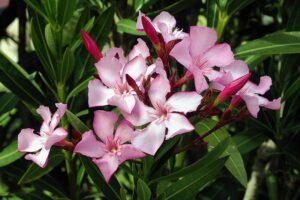
Your Your Remedy – Oleander (Olnd.)
Oleander, the homeopathic remedy, is prepared from the Nerium oleander shrub. Even though it is one of the most poisonous…
-
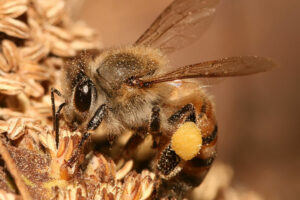
Know Your Remedies – Apis Mellifica
The homeopathic remedy Apis mellifica is prepared from the Western or European honey bee. It was introduced into homeopathy in…
-
Know Your Remedies: Bromium (Brom.)
Bromine is chemical element from the halogen group. It is corrosive and toxic and at room temperature presents as a…
-
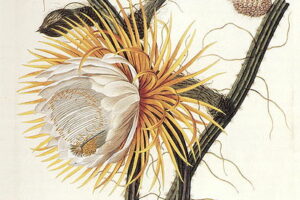
Know Your Remedies: Cactus Grandiflorus (Cact.)
Common Name: Night-blooming cereus. General Information A significant remedy for severe constricting, contracting or congestive pains, especially in the heart,…
-
Know Your Remedies
Aconite Napellus (Acon.) Aesculus Hippocastanum (Aesc.) Agaricus Muscarius (Agar.) Allium Cepa (All-c.) Aloe Socotrina (Aloe.) Anacardium Orientale (Anac.) Antimonium Crudum…
-
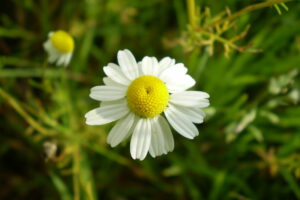
Chamomilla matricaria (Cham.)
Chamomilla matricaria (Cham.) is a plant with small daisy-like flowers native to Europe and temperate Asia. It is now grown…
-
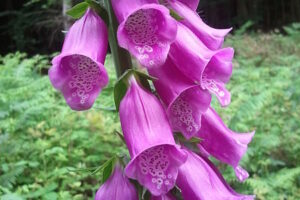
Digitalis purpurea (Dig.)
Digitalis purpurea, known commonly as foxglove, is a flowering plant native to most parts of Europe. It is the original…
-

Know Your Remedy: Capsicum Annuum (Caps.)
Capsicum Annuum, commonly called red pepper, is an annual herbaceous plant grown in warmer parts of the world for its…
-
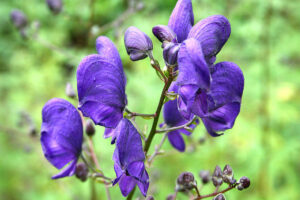
Aconite napellus (Acon.)
Aconite napellus is a purple flowering plant found in Western and Central Europe. It is known by the common names…
-
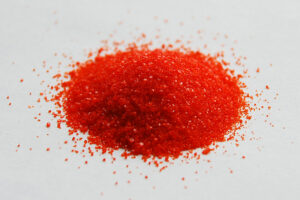
Kali bichromicum (Kali-bi)
Kali-bi is prepared from potassium bichromate, a common chemical reagent with many industrial and laboratory applications. Homeopathic Kali-bi is used…