
t

  • Homeopathy for Brian

    Homeopathy for Brian

    Brian started homoeopathic treatment hoping to improve two troubling health problems. These were:

    1. crippling anxiety
    2. digestive bloating and colic

    The anxiety had been a problem since childhood. Now, at 65 years of age, it was more than making life miserable.

    His brain would freeze so he couldn’t think or talk if he had to cope with any form of confrontation. He would also get a disabling ‘fright or flight’ feeling in his abdomen.

    Even thunderstorms, heights or the thought of ghosts would trigger the anxiety. Brian had been taking a magnesium supplement for his symptoms but it had only helped a little.

    In addition, Brian suffered from digestive upsets. His stomach would bloat on eating and he was prone to large amounts of smelly flatulence. He occasionally developed cramping pains in the rectum.

    His doctor scheduled a colonoscopy and endoscopy, their reports both saying that his bowel and stomach were in a healthy condition. With the symptoms he endured, Brian thought otherwise.

    His doctor advised him to avoid those foods that had the worst effect on him. To further reduce the discomfort, Brian took digestive enzymes with each meal.

    On further questioning during that first consultation, a few other health problems were uncovered. Brian sweated profusely. It was worse on exercise but could happen at any time of the day. He could wake frequently wake at night in a lather of sweat.

    Surprisingly, he was also troubled by dry flaking skin. It was especially bad on his knees and on the fingers of both hands. There was also back pain, something he was receiving chiropractic treatment for.

    Brian described his sleep as’ below average’. While he could fall asleep easily, he would then wake frequently through the night and have trouble drifting off again.

    The remedy that most closely matched Brian symptoms at this point was homoeopathic Phosphorus (Phos.). He commenced the remedy, two times a week.

    Over the first month of treatment Brian reported that he felt remarkably good. His anxiety had reduced by half and he’d even been able to deal with two major interviews without becoming a total wreck.

    His digestive symptoms were slightly better and there had been significant improvement in his sleep, skin flakiness, and sweatiness. He was also no longer craving sweets.

    In spite of these improvements, a few unusual symptoms had occurred. Brian had experienced hamstring pain and tightness in his left leg, a tickly cough, and a lot of rumbling movement in his abdomen. These were all symptoms from the past and only lasted for 1 to 2 days. I discussed how they were probably a ‘return of old symptoms’, and as such, a good sign that the remedy was working deeply and well.

    While Brian was 70% improved by two to three appointments, full recovery took a total of two years. By this time his once monthly appointments were being scheduled at once every three months.

    Somewhere around the halfway mark of treatment, Brian’s remaining symptoms were no longer responding to Phosphorus. Instead, they indicated a better matching remedy called Lycopodium clavatum (Lyc.). This is remedy completed the cure.

    At the end of treatment, Brian reported a much greater level of happiness, feeling relaxed and confident, able to deal with conflict, and a total improvement in his other symptoms of dry skin, sleep disturbances, sweatiness, bloating, flatulence and rectal spasm. He no longer had to take digestive enzymes and was no longer needing his homeopathic remedy.

    At Brian’s last appointment we discuss the extent of his improvement and the changes this had brought to his life. He then said something which up until this point I had been completely unaware of. Brian commented on how much his memory had also improved – that it was now the best it had been for many, many years.

    For both of us, this was the ‘icing on the cake’ and further evidence of the widespread changes in health that take place when the needed remedy is prescribed.

  • Tutorial 10 – Direction of Cure

    Tutorial 10 – Direction of Cure

    A crying baby suffering from eczema was treated homeopathically.

    Little Joshua developed eczema shortly after birth, which quickly spread from his elbows and knees to his neck. Every time he ate bread or fruit, the eczema flared around his mouth and across his cheeks, causing him to scratch until it bled.

    His desperate mother obtained a prescription for a cortisone-based cream from her doctor, and the eczema began to clear within hours. While Joshua’s mother was relieved, a homeopath might worry about potential future problems for him.

    Indeed, two months later, Joshua developed a persistent dry, wheezy cough, which was diagnosed as asthma, leading to costly medications.

    Joshua’s story is not unique: it raises questions about whether the eczema was truly cured and if the asthma could have been prevented. In a previous tutorial, we discussed palliation, suppression, and cure, emphasizing the importance of treating symptoms wisely. Now, we will explore the “direction of cure” and how to recognize it.

    The Direction of Cure: What Is It?

    Early homeopathic practitioners observed specific patterns in the healing process, which they compiled into a statement called “The Direction of Cure.” This statement outlines the progression of genuine healing, as opposed to mere palliation or suppression:

    1. From above down,
    2. From within out,
    3. From a more important organ to a less important organ,
    4. With symptoms disappearing in the reverse order of their appearance

    When symptoms follow this pattern, true healing is taking place. If symptoms move in the opposite direction, the person’s health is likely worsening.

    From Above Down

    If symptoms like skin rashes or joint pains move downward during treatment, healing is on the right track. Conversely, if symptoms improve upwards through the body, suppression may be occurring.

    From Within Out

    When symptoms move from deeper organs to more superficial ones during treatment (e.g., a liver infection transitioning to muscle pain, then skin itchiness), healing is underway. Symptoms moving inward suggest the person is becoming sicker.

    From a More Important Organ to a Less Important Organ

    A person whose high blood pressure and chest pains are replaced by sinus problems during treatment is heading towards better health, as symptoms have shifted from a more important organ to a less important one. However, if sinus symptoms are exchanged for heart problems after continual suppression by antibiotics and antihistamines, the person’s health is deteriorating.

    Symptoms Disappearing in the Reverse Order of Their Appearance

    For example, skin issues may progress to respiratory problems and then heart problems. If an unwell person is treated with medicines that match their symptoms, rather than suppress them, their vitality can be strengthened and the imbalance corrected. In this case, their symptoms will disappear in the reverse order of their appearance: first the heart problem, then the skin issue.

    Are All Observations Equally Important?

    While the Direction of Cure observations provide guidelines for determining health improvement or worsening, they do not all have equal value. The first three are less common, while the fourth is more frequently observed. In reality, a person’s symptoms may gradually improve during homeopathic treatment without strictly following any of the above observations. Their real value lies in accurately identifying worsening health when symptoms move opposite to these guidelines, which should raise concerns.

    What about Joshua?

    As we’ve learned in this and previous tutorials, our life force attempts to push disease towards the body’s surface to protect deeper, more vital organs. Consequently, infants like Joshua may develop skin conditions such as eczema and rashes during the initial stages of an energetic imbalance.

    If these skin problems are suppressed by creams or steroids, or if vitality weakens, the Vital Force can no longer alleviate the disease through the skin, so it uses deeper organs as an outlet to preserve life. This is precisely what happened to Joshua. His skin issue was suppressed by a cortisone cream, which led to the more life-threatening problem of asthma.

    If vitality weakens further or new symptoms are suppressed, the illness may progress to deeper organs such as the bowel, kidney, heart, or brain. This progression may occur rapidly or gradually over decades, as multiple suppressions worsen health and deepen chronic disease. Fortunately, Joshua’s mother sought a homeopathic consultation in time.

    To treat Joshua, I prescribed a homeopathic medicine that matched the physical, mental, and emotional symptoms of his imbalance. Within two weeks, his asthma had significantly improved, but the eczema began to return. Joshua’s mother, concerned, brought him back to me. I explained that this was not a setback but a sign of deep healing. I advised her to wait a little longer, confident that the asthma would clear, followed by the eczema – which is precisely what happened, except for one incident.

    One night, Joshua’s dad gave him a bath while his mother was out, adding bubble bath mixture to the water for fun. Within minutes, Joshua’s eczema flared and spread across his body. Distressed, his father applied the cortisone cream, which calmed the rash over the next few hours. The next day, however, Joshua’s asthma returned with a vengeance.

    Joshua’s mom called me in a panic, and I explained how the bubble bath irritated the eczema, which was then suppressed by the cream. Without a skin outlet, the disease was redirected into Joshua’s lungs, posing a more serious issue.

    I reassured his mother that the appropriate homeopathic remedy would once again strengthen Joshua’s vitality, resolving the asthma and returning the eczema to the skin. This happened over the following week.

    Joshua continued homeopathic treatment for another two months, during which his eczema cleared entirely. Now asthma-free and energetic, he keeps his parents on their toes.

    In Conclusion – Potentized Remedies Can Suppress!

    The last two tutorials have discussed suppression extensively. Hopefully, you’ve decided not to suppress your symptoms.

    However, suppression is not solely a concern with conventional medicine. While potentized remedies lack chemicals and the associated toxic side effects of traditional medicines, they can also “suppress” if not prescribed according to the Law of Similars. Our next tutorial will explore how to use the Direction of Cure to determine if your potentized remedy is genuinely leading you towards healing.

    Tutorials

    1. Homeopathy: an Introduction
    2. Tutorial 1 – The Law of Similars
    3. Tutorial 2 – Law of Similars Discovered
    4. Tutorial 3 – Potentisation
    5. Tutorial 4 – Three Scales of Potency
    6. Tutorial 5 – Benefits of Potentisation
    7. Tutorial 6 – Provings
    8. Tutorial 7 – The Vital Force
    9. Tutorial 8 – Potentised Remedies and the Vital Force
    10. Tutorial 9 – Palliation, Supression or Cure?
    11. Tutorial 10 – Direction of Cure
    12. Tutorial 11 – Return of Old Symptoms
    13. Tutorial 12 – Homeopathy and Other Medicinal Therapies
    14. Tutorial 13 – Finding a Good Homeopath
    15. Tutorial 14 – That First Appointment
    16. Tutorial 15 – What to Expect (Part A)
    17. Tutorial 16 – What to Expect (Part B)
  • Acne and homeopathy

    Acne and homeopathy

    13012688_1254066681289771_5361734871626936362_nQuick Bits…

    Do you know the main remedy for acne? Here it is, along with 9 other helpful ones for this annoying problem; just match the remedy to your symptoms to wave your acne goodbye.

    Read more | Comment

  • Schuessler’s Tissue Salts – A Medicine Chest for the Whole Family

    Schuessler’s Tissue Salts – A Medicine Chest for the Whole Family

    These little bottles contain micro doses of the 12 essential minerals that your body needs for good health.

    What are Schuessler’s Tissue Salts?

    Schuessler’s 12 Tissue Salts (cell salt or biochemic) remedies are often called a ‘medicine chest’ for the whole family.

    Tissue Salts were first developed by the German doctor, Wilhelm Schuessler, who said ill-health was caused by an imbalance in the bodies twelve vital cell salts. Schuessler believed that these imbalances could be corrected by easily absorbed and homeopathically-prepared, micro-doses of each salt.

    Schuessler’s Tissue Salts (also known as biochemic or cell salts) are potentised micro-doses of the 12 essential minerals your body needs to repair and maintain itself.  They are prepared in homeopathic 6X potencies that are gentle enough to be used by the youngest to the eldest member of your family. They can even be used with pets.

    Schuessler introduced his homeopathically-prepared Tissue Salts more than 100 years ago but today, they have spread to most parts of the world where families and individuals rely on them as simple home treatments for a wide range of problems.

    Tissue Salts, as either individual remedies or in combination, are an ideal addition to the home medicine cabinet for simple health complaints. They are:

    • Gentle
    • Absorbed rapidly
    • Natural
    • Pleasant tasting
    • Lactose free
    • Convenient to carry
    • Non-toxic and non-addictive
    • Safe to use with prescription medicines
    • Suitable for broad, general health complaints (unlike standard homeopathy that requires more precise symptom matching).

    Tissue Salts are used as either single potentised salts or potentised salts mixed in combinations. See the list below for the indications of each salt or combination.

    Instructions on how to take Tissue Salts are found at the bottom of the list.

    Individual Tissue (Cell) Salts

    Calcium fluoride – Calc fluor

    Loss of elasticity, varicose veins, haemorrhoids, deficient tooth enamel, hard or cracked skin

    Component of: Skin, connective tissue, tooth enamel, joints and bones.

    Traditional indications: Relaxation of connective tissue leading to problems such as heamorrhoids, sluggish circulation, and varicose veins. Cracked skin, eczema, anal fissures, callouses. Diseases affecting the surface of bones. Deficient enamel of the teeth. Early formation of wrinkles.

    Often better for: Heat in general; hot weather; hot applications; rubbing.

    Often worse for: Damp and cold weather; physical motion.

    Calcium Fluoride is available from our online shop

    Calcium phosphate – Calc phos

    Poor digestion, anaemia, bone diseases

    Component of: All body tissues, especially teeth and bones.

    Traditional indications: Poor digestion and assimilation of food, especially following surgery. Anaemia. Poor calcification of bones or healing of fractures. Rickets and osteomalacia. Frequent respiratory tract infections. Cramps and poor circulation.

    Often better for: Lying down; resting; warmth.

    Often worse for: Damp and cold weather; getting wet.

    Calcium sulphate – Calc sulph

    Spots, pimples, skin disorders and slow healing wounds

    Component of: Gall bladder (bile) and liver.

    Traditional indications: Dandruff. Pimples. Boils. Shingles. Ulcers. Abscesses. Fistulas. Bronchitis. Dry eczema. Unhealed cuts. Has a cleansing effect throughout the system. Assists in the removal of waste via the lymphatic system.

    Often better for: Dry air and cool open weather.

    Often worse for: Wet, damp, warm weather; physical exertion.

    Ferrum phosphate – Ferrum phos

    Inflammation, redness, throbbing, first stage of respiratory complaints, inflammations, injuries

    Component of: All parts of the body, especially red blood cells.

    Traditional indications: Often called the First Aid Salt. Early stages of acute disorders. First aid situations such as sprains and strains. Early fevers. Anaemia. Aids the absorbtion of iron.

    Often better for: Gentle motions; cold applications; rest.

    Often worse for: Damp and cold weather; getting wet.

    Potassium chloride – Kali mur

    Mucous congestion, glandular swellings, coughs, tonsillitis, ulcerated sore throat, digestive disturbances, swollen joints

    Component of: All parts of the body, especially connective tissue.

    Traditional indications: Second stage of inflammation (after Ferr phos). Complaints of the respiratory system – coughs, colds, bronchitis. Thick, white discharges from skin or mucous membranes. Glandular or chronic rheumatic swellings. Works well with Calc Sulph in the removal of waste products. White – grey coated tongue and light coloured stool. Digestive disturbances, especially from eating fatty or rich food.

    Often better for: Keeping still; cold applications.

    Often worse for: Motion; physical exertion; rich foods.

    Potassium phosphate – Kali phos

    Nervous tension, irritability, tension headaches, depression, lethargy, forgetfulness

    Component of: Brain and nerves, muscles, blood, body fluids.

    Traditional indications: Nervous states leading to anxiety, changeable moods, headaches, heartburn, asthma, insomnia, depression, lethargy or exhaustion. Poor memory. Shingles. Convalescence.

    Often better for: Warmth; rest; gentle motion; company; heat.

    Often worse for: Worry & stress.

    Potassium sulphate – Kali sulph

    Dry scaly skin, dandruff, skin eruptions, inflammations with yellow discharges, shifting pains

    Component of: Skin, muscles.

    Traditional indications: Third (chronic) stage of inflammations. Yellowish or greenish discharge from any mucous membrane or skin surface. Yellow, slimy tongue. Yellow scaling of skin. Psoriasis. Athlete’s foot (tinea). Brittle nails. Chilliness, hot flushes, and shifting pains in the limbs.

    Better for: Dry and stable weather; cool, fresh, open air.

    Often worse for:Hot drinks; late afternoon air.

    Magnesium phosphate – Mag phos

    Muscle cramps, spasms & twitches, spasmodic pain or colic, migraine

    Component of: Muscles, blood cells, nervous tissue, bones, teeth.

    Traditional indications: Muscle spasms, cramps, and hiccups. Muscular twitches. Sharp twinges of pain. Renal or gallbladder colic. Gastrointestinal colic. Migraine. Restlessness. Useful for menstrual pain.

    Often better for: Firm pressure; bending double; heat.

    Often worse for: Cold air; noise; glare.

    Sodium chloride – Nat mur

    Excessive dryness or oedema of tissues, runny nose, loss of smell or taste, sadness

    Component of: All body fluids and tissues.

    Traditional indications: Disorders of fluid metabolism – excessive fluid or dryness anywhere in the body. Examples: oedema, salivation, colds with clear discharge and sneezing; craving for salty foods; dry skin; headache with constipation. Also: loss of taste and smell; sadness or depression.

    Often better for: Open air, fresh air, tight clothing; lying on right side.

    Often worse for: Hot rooms; heat; noise; lying down; talking.

    Sodium phosphate – Nat phos

    Acidity, indigestion or heartburn, rheumatism

    Component of: Blood cells, muscles, nerve and brain cells, body fluids.

    Traditional indications: An overly acidic system. Indigestion or heartburn. Lactic acid build-up. Rheumatism – painful muscles and connective tissue. Sciatica. Complaints from fatty food. Acne with greasy skin.

    Often better for: Cold.

    Often worse for: Thunderstorms; mental or physical exertion; fats.

    Sodium sulphate – Nat sulph

    Biliousness, liver upsets and fluid retention, constipation, leg ulcers

    Component of: Extracellular fluid.

    Traditional indications: Poor elimination of metabolic wastes from the body via kidneys, liver and bowel. Constipation, diarrhoea, leg ulcers, rheumatism.

    Often better for: Warm dry air; open air.

    Often worse for: Dampness; lying on left side; pressure.

    Silicea – Sil

    Hair, skin and nail complaints – pimples, boils, ulcers, styes, excessive perspiration

    Component of: Skin, hair, nails, muscles, nerves, glands, connective tissue.

    Traditional indications: Lack of strength in connective tissues. Brittle or weak nails. Gum abscesses. Fistulas. Styes. Discharging abscesses. Excessive perspiration. Bunions. Hair loss. Premature aging.

    Often better for: Warmth; warm, humid weather.

    Often worse for: Light; noise; cold.

    Combination Tissue (Cell) Salts

    Combination A

    For symptoms associated with: Insomnia, sciatica, neuralgia, cramps, inflammation.

    Contains: Ferrum phos, Kali phos & Mag phos.

    Combination B

    For symptoms associated with: Irritability, anxiety, nervous exhaustion.

    Contains: Calc phos, Ferr phos & Kali phos.

    Combination C

    For symptoms associated with: Acidity, heartburn, dyspepsia

    Contains: Mag phos, Nat phos, Nat sulph & Silicea.

    Combination D

    For symptoms associated with:Skin complaints such as acne, eczema, dermatitis, scaliness.

    Contains: Kali mur, Kali sulph, Calc sulph & Silicea

    Combination E

    For symptoms associated with: Digestive disorders such as bloating, flatulence, colic, indigestion.

    Contains: Calc Phos, Mag Phos, Nat Phos & Nat Sulph

    Combination F

    For symptoms associated with: Mental or physical fatigue, nervous headaches.

    Contains: Kali phos, Mag phos, Nat mur & Silicea.

    Combination G

    For symptoms associated with:Backache, haemorrhoids (piles)

    Contains: Calc fluor, Calc phos, Kali phos & Nat mur.

    Combination H

    Traditional indications: Hay fever, sinusitis, respiratory allergies.

    Contains: Mag phos, Nat mur & Silicea.

    Combination I

    For symptoms associated with: Fibrositis, muscle aches, inflammation.

    Contains: Ferr phos, Kali sulph & Mag phos.

    Combination J

    For symptoms associated with: Coughs and colds.

    Contains: Ferr phos, Kali mur & Nat mur.

    Combination K

    For symptoms associated with: Weak or brittle nails, falling hair, dandruff.

    Contains: Kali sulph, Nat mur & Silicea

    Combination L

    For symptoms associated with: Circulatory disorders such as varicose veins, cold feet, inflammation.

    Contains: Calc fluor, Ferr phos & Nat mur.

    Combination M

    For symptoms associated with: Rheumatism, joint stiffness, oedema.

    Contains: Calc phos, Kali mur, Nat phos & Nat sulph.

    Combination N

    For symptoms associated with: Menstrual pain, cramping,  headaches

    Contains: Calc phos, Kali mur, Kali phos & Mag phos.

    Combination P

    For symptoms associated with: Poor circulation, aching legs, chilblains.

    Contains: Calc fluor, Calc phos, Kali phos & Mag phos.

    Combination Q

    For symptoms associated with: Sinus & Catarrh.

    Contains: Ferr phos, Kali mur, Kali sulph & Nat mur.

    Combination R

    For symptoms associated with: Toothache, teething, gum inflammation.

    Contains: Calc fluor, Calc phos, Ferr phos, Mag phos & Silicea.

    Combination S

    For symptoms associated with: Stomach nausea, biliousness.

    Contains: Kali mur, Nat phos & Nat sulph.

    Combination T

    For symptoms associated with: First stage of inflammation, fever or illness.

    Contains: Ferr phos & Kali mur

    Combination U

    For symptoms associated with: Poor calcium absorption.

    Contains: Calc fluor, Calc phos, Nat phos & Silicea.

    Combination 5 (Nerve Tonic)

    For symptoms associated with: Anxiety, weakness, neuralgic pain.

    Contains: Calc phos, Ferr phos, Kali phos, Mag phos & Nat phos.

    Combination 12 (General Tonic)

    For symptoms associated with: Debility, fatigue, exhaustion.

    Contains: Calc fluor, Calc phos, Calc sulph, Ferr phos, Kali mur, Kali phos, Kali sulph, Mag phos, Nat mur, Nat phos, Nat sulph & Silicea

    Care and Dosage Instructions

    The tissue salts are dispensed in a 30ml bottle, that holds roughly 120 doses.

    Five drops per dose for adults, children, and infants. For acute conditions, take a dose every ½ hour (up to 6 doses a day) until symptoms subside. If a maintenance dose is needed, take a dose 4 times a day.

    Keep your Tissue Salt bottle away from sunlight. Do not store bottles near mobile (cell) phones or microwave ovens as their emissions may affect the potency of the remedy.

  • Dyshidrosis helped by homeopathy – Betty’s Story

    Dyshidrosis helped by homeopathy – Betty’s Story

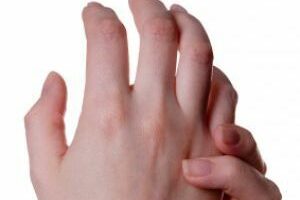
    First of all, I should warn you that this is a very long story. I’m going into great detail because I think it may be most helpful to others if I write about my experience and the sequence of events that led to me having success with my dyshidrosis.Image of Betty's hands who suffers from a skin condition of the hands called Dyshidrosis.

    I’m not sure how/what led to my horrible dyshidrosis experience/nightmare. I think it may have been the perfect storm of stress, taking penicillin for a root canal, wearing latex gloves when playing with our dog (to “protect” my already dry skin) which resulted in sweaty hands, and foolishly using “regular” hand and dish soap while staying at someone’s house for two weeks.

    I have a history of eczema and skin issues so it didn’t shock me when my right palm became very dry. I’ve even had tiny itchy bumps on my fingers before but like everything else skin-related, I just sighed, ignored it and assumed it would eventually go away.

    Over the course of a few weeks the dry and itchy palm became more irritated, and my left palm started to become dry as well. Several layers of skin peeled off and the fluid-filled bumps arrived, and eventually the itchiness and blisters spread to the sides of my fingers.

    These eventually morphed into full-on boils (sometimes pus-filled!) on my palms or right where the finger joints are, which made them incredibly painful. They would pop, be really sore for a day or two then dry up, only to be replaced by one or more boils.Sometimes a finger would swell up (so pretty!).

    I also had soreness in my left armpit which at the time I didn’t realize can be a bonus symptom of dyshidrosis.

    My palms were bright red with sores and looked like I had forgotten to wear gloves while assembling a nuclear weapon. One of the blisters was near the cuticle on one of my fingers, and eventually it took part of my nail off. It was a horrible cycle.

    I bought several pairs of cotton gloves from the drugstore and fortunately, it was cold enough so that when I went out (where just pushing a grocery cart was irritating to my hands) I could put winter gloves over the cotton ones instead of wearing just the white ones that made me look like an insane mime.

    I avoided washing/wetting my hands whenever possible. I also wore latex gloves over the cotton gloves for strategically performed showers and shampoos.

    I tried a lot of things topically, including 2-3 days of cortisone cream which I LOATHE because in my experience it never really clears anything up and only makes for more problems. I also tried jojoba oil, aloe, Cerave lotion, Cerave cream, Egyptian magic (containing olive oil and beeswax), a burn cream from a homeopathic pharmacy, and calendula ointment (with a petroleum base).

    In the end, the topical treatment that seemed to work best for me was the calendula ointment and…Vaseline, which I think is because it keeps skin from getting chapped. I’ve usually avoided petroleum-based products but so far this is what seems to work best for me.

    I scoured the internet for other peoples’ comments and suggestions and decided to try homeopathy, which has worked for me in the past with other ailments. I STUPIDLY diagnosed myself and took a remedy.

    The day after I took the first dose, I noticed a definite change…it was worse, and I broke out in a rash on my wrists and forearms. I went to see a homeopath as soon as possible. I told him everything I’d done, and he said I had actually been on the right track but not quite the correct remedy and in too high a dose.

    He prescribed a different one. He suggested I soak my hands in baking soda and water since the alkaline would be good for the acidic quality of the problem. I did it only twice because it burned so much afterward.

    I cut down on acidic foods, wine, wheat and sugar because the homeopath said they create inflammation which is not good for the body in general but particularly bad for this.

    I must also mention that I stopped drinking coffee (which I love) because a homeopathic remedy will not work if you’re drinking coffee (including decaffeinated). Caffeine is okay; coffee is not (neither is mocha flavoring, which contains coffee oils). One must also avoid mint, rosemary, and menthol. I use fennel instead of mint toothpaste.

    I do miss coffee and intend to go back to it once I’m positive the dyshidrosis is gone. However, I think it’s worth examining what I enjoy eating too much of (sugar, white flour and rice) since I can’t imagine there is no correlation between what I take in and how my skin may react or erupt as a result of it.

    After about a week I noticed my hands begin to change. I would still get the painful boils but they were…different. Eventually I began to get fewer of them (though when I thought they were gone for good a new one would appear, often where my finger joint was.

    What began to happen was that instead of turning into big, awful boils that last for days, the blisters would pop and resolve without the extended painful period and without being replaced by another boil. My skin began to be less bright red and more pinkish, but I still kept them heavily moisturized with Vaseline and wore cotton gloves (putting latex over the cotton ones when doing dishes, etc.).

    It’s been seven weeks since I first took the homeopathic remedy, and my hands are SO MUCH BETTER. The best and most dramatic difference is that I no longer get the dreaded blisters so it’s enabled my palms and fingers to actually heal.

    My palms are still pinker than normal and delicate. I still wear cotton gloves to keep my hands protected (and the world around me protected from Vaseline). Even now, when I root around in my purse without gloves I might as well stick my hands in a pile of brambles.

    I suspect it will be several more weeks before my hands are back to “normal”, and I’ll be very careful about coming into contact with possible irritants.

    I should also mention that although I prefer to use “natural” remedies when possible, they can be as ineffective or harmful as allopathic ones. For example, “tamanu” oil, which is known for its natural healing properties, works very well for many people, but when I tried it one night the next day my skin was a lot worse.

    If you’re interested in trying homeopathy, you should locate a reputable homeopath, preferably one who has successfully treated someone you know. Of course everyone’s body, symptoms and reactions to remedies is different, so you shouldn’t treat yourself or rely on my experience.

    I offer the information as an example of what worked for someone with dyshidrosist, and it didn’t require repeat visits to a dermatologist, oral medication or excessive use of topical steroids. The homeopath wasn’t inexpensive but my homeopathic remedy cost under $10 from my local natural foods store).

    If I have more to report in the future, I’ll do so. For now, I wish you the best of luck with your skin issues and encourage you to keep trying to find what works for you.

  • A Dog’s Life: Molly’s Mange, Eczema and Lack of Confidence

    A Dog’s Life: Molly’s Mange, Eczema and Lack of Confidence

    This gorgeous dog Molly received homeopathic treatment for her eczema, grief and lack of confidence. Dogs are often called Man’s Best Friend and just like us they suffer from health problems and emotional distress.

    The following story of Molly, a mixed breed dog who was grieving for her lost companion, lacked confidence and suffered from severe eczema, is one such example. Fortunately, homeopathy helped.

    A Dog’s Life

    When Molly first came to our clinic she was a mess; large areas of bare and scaly skin covered her back and hind-quarters, and her once glossy coat was dry, rough, and tangled with fur-balls. She was constantly scratching, and in spite of frequent baths, smelt so badly she was hard to be near.

    Molly’s owners said she had always been a nervous dog, and that they had to be careful of how they spoke to her. On the one occasion when they had raised their voices to her, she had crawled under their veranda and wet herself with fright.

    Just recently, Molly had lost her life partner, a male dog whom she had adored. Heartbroken, her behaviour and appearance went into further decline. She hid under the house, avoided her human family and became increasingly submissive, anxious, and snappy. She had even started to whimper in her sleep.

    Though Molly ate well, she was losing weight.

    Psorinum: What a Difference

    Based on these symptoms, I prescribed the homeopathic remedy Psorinum: you can read more about it at the end of this story.

    Within a week Molly’s behavior had improved dramatically. She once again wanted the company of her family and even came inside the house when invited – something she would not previously do.

    Molly’s confidence was also improving but, most dramatic of all, her missing hair had almost fully regrown within three weeks. She no longer smelt and to everyone’s surprise, she had begun to bark – something that she had never, ever done before!

    Molly’s turnaround was shaping into a real success story.

    At the beginning of Molly’s treatment, I had taken a brief film clip so that as time progressed I could remind myself of what she had first looked like. Six weeks later, at her next appointment, I filmed her again.

    To see the difference in Molly between her two appointments, watch her “before and after” video clip, below. (Note: My photography could have been more professional but I was not expecting to one day be placing Molly on the Internet. The background noise in the first part of the clip is from cicadas – insects that “sing” noisily in the gum trees surrounding the Clinic during summer.)

    As you can see, her hair had regrown fully. Her owners also said her confidence was improving.

    Based on this response, I advised Molly’s owners to give her another dose of Psorinum if improvements stalled or when any of her old symptoms started to return. I also gave them the good news that they could look forward to reducing her doses and finally stopping treatment altogether once Molly had returned to full health.

    Finishing Well

    For many months, Molly did well with an occasional dose of the remedy but, approximately six months later, her owners realised that it was no longer helping. They brought Molly back to the clinic for an assessment.

    At this time she was prescribed Baryta carbonica, a remedy that matched her emerging symptoms of jitteriness with other dogs and an appetite for warm food; its a remedy often used to finish the good work that Psorinum begins.

    I’m pleased to report that three weeks later her owners phoned to tell me that Mollie had bounced back to perfect health.

    Today, Molly has changed from an itchy, smelly, and unhappy dog to one brimming with confidence and enjoying life with her family. She has a shiny coat and is full of energy. She even greets visitors to the home, something that was unheard of before. But without homeopathy, Molly’s story could have been very different.

    Steroid treatments and ‘washes’ – treatments already tried by her despairing owners – only palliated her skin problems; they were not able to correct the underlying imbalance that was the true cause of Molly’s problems, and they were certainly couldn’t help her lack of confidence and anxiety. If used long-term, they likely would have further weakened her health.

    In comparison, a homeopathic approach was able to stimulate Molly’s body to safely heal itself. In the process, all her health problems – physical, mental, and emotional – fully resolved rather than just being palliated or suppressed. Molly is now a much happier and healthier dog.

    This is the fullness of homeopathy.

    Treating Eczema With Homeopathy

    Before racing off to buy homeopathics for your pets, or your own eczema, there are some things you should know. Homeopathy has dozens of remedies for the treatment of eczema but each has to be prescribed according to the ‘symptom complex’ of the sufferer. One remedy cannot be used in place of another.

    While eczema may appear to be a superficial complaint, it is really a deep-seated chronic problem that responds best to professional management.  An incorrect remedy or a remedy given in overdose can cause a temporary worsening of the eczema. While not toxic, an aggravation of this nature will cause discomfort for you or your pet so please see a qualified homeopath when using homeopathy for eczema.

    Common Remedies for Eczema

    Homeopathy has numerous remedies for the treatment of eczema. Here are four of the best.

    Arsenicum album: Nervous, restless dogs who like frequent, small drinks. Dry, scaly, itchy skin. Itch often worsens after midnight.

    Psorinum: Under confident, unhappy dogs who feel the cold. Irritated, dirty looking skin prone to infection. Offensive smell.

    Rhus toxicodendron: Restless dogs who may also suffer from arthritis or stiffness that improves with movement. Redness of affected area, sometimes with swelling or blisters. Severe itching.

    Sulphur: Generally robust, energetic dogs who feel the heat. Red, dry, rough and itchy skin. Symptoms worsened by warmth and washing. May have morning diarrhoea.

    Important Tip

    Before looking at any treatment for your dog’s eczema, first return the animal to a raw and whole-food diet. A large number of canine eczemas are caused by inappropriate ingredients in commercially prepared dog foods. This one step – giving your pet a more natural diet – can relieve a lot of suffering.

    Not sure how to feed your dog a raw and whole-food diet? Click here for a PDF guide.

    For more information on caring for your animal companions with homeopathy, subscribe to the Homeopathy Plus! newsletter which carries regular feature articles on veterinary homeopathy.

    Fran Sheffield.

    (Homeopathic Consultant and Educator)

  • Remedies for acne

    Remedies for acne

    acneQuick Bits…

    Acne is no one’s friend especially for self conscious teenagers. Homeopathy helps clear acne and improve confidence. Here are some notable ‘acne remedies’.

    Read more | Comment

  • Acne and Homeopathy

    Acne and Homeopathy

    Quick Bits…

    A homeopathic student presents her treatment of troubling acne in a 14-year-old girl in which her indolence, irritability and nature of her acne led to the successful remedy.

    Read more | Comment

  • Psorinum (Psor.)

    Psorinum (Psor.)

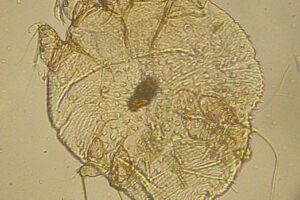
    scabies_zps2c04b8b5Psorinum is prepared from the fluid of blisters from scabies infested skin. Once potentised none of the original fluid remains but the energetic effects of the remedy will treat a range of complaints. Those who need Psorinum usually lack vitality and are prone to mental disturbances. They catch infections easily, especially colds, and recover slowly. Skin complaints are common and if unattended will be dirty and offensive but these days with frequent bathing and access to steroids, are less likely to be so. The person is also likely to be anxious about health, work, poverty and the future which leads to depression, despair and sometimes, suicidal thoughts.

    Common Uses

    When the remedy matches the symptom profile, Psorinum has the ability to treat conditions such as abscess, acne, allergy, asthma, bronchitis, colds, depression, dermatitis and eczema, headaches, insomnia, middle ear infections, pharyngitis, phobia, psoriasis, scabies and lice, ulcers.

    Home Treatment Guidelines

    Acute, Self-Limiting Conditions

    Conditions like colds or minor injuries, which are short-term and typically improve on their own, can be managed at home with homeopathy. However, in emergencies or if symptoms worsen, contact your healthcare provider.

    Chronic Conditions

    These home treatment instructions do not apply for ongoing issues, whether mentioned above or not, like persistent allergies or chronic pain. You should consult a qualified homeopath for a personalized treatment plan to achieve the best results with homeopathy for chronic conditions.

    How to Take the Remedy for Acute Conditions

    • Take one pill or five drops of the remedy. The frequency depends on symptom severity. As examples:
      • For life-threatening symptoms, take every 1 minute and seek emergency help immediately.
      • For mild symptoms, take every 4 hours.
    • Stop taking the remedy once you feel better. Resume if symptoms return.
    • If no improvement after four doses, choose a different remedy or consult a professional homeopath.
    • For more details on dosing, refer to: How Often to Dose with a 30C Homeopathic remedy.
    • For information on the different potencies, read: Guidelines on which potency to use

    Additional Notes From Past Masters

    Homeopathy is a 200-year-old system of medicine. Early homeopaths recorded detailed notes on how remedies worked, including initial tests, remedy relationships, and their experiences. These writings were shared to improve homeopathic practice and now offer fascinating insights into past uses of homeopathy. Here’s an example, edited and modernised for clarity, from Leaders In Homoeopathic Therapeutics (1898) by E. B. NASH M.D.:

    From the Old Masters

    Nash says:

    Very sad, hopeless, despondent; “bluest of the blue.” Great debility; sweats on slightest movement; wants to give up and lie down. Eruptions on the skin, dry, or moist; or skin scaly and dry as parchment; dirty, the great unwashed, unwashable. Intense itching of skin < in warmth of bed. Discharges and exhalations exceedingly offensive. Very sensitive to cold air; wears a fur cap in summer. Modalities: < in cold air, < in warmth of bed (itching); sitting up or motion; > bringing arms down close to the body, > lying down (even the dyspnœa); wrapping up warm; psoric manifestations. Great weakness and debility; from loss of fluids; remaining after acute diseases; without any organic lesion or apparent cause. Cough and dry, scaly eruptions return every winter. Quinsy; to eradicate the tendency.

    Lippe says:

    MIND AND DISPOSITION Anxiety about the future. Despair of recovery, thinks to be very ill, and in great danger not to survive the sickness ; hopelessness. Great anxiety, full of fears. Religious melancholy. Impatience ; ill humor. GENERALITIES Very weak from the least exertion. Great debility from loss of fluids or after severe acute diseases (Typhus). Rheumatism and arthritis. Dropsical diseases. CONDITIONS Psor. is an indispensable remedy if debility remains after violent acute diseases ; if profuse perspirations remain after typhus fever ; in the evil consequences of suppressed itch, especially after large doses of sulphur ; if the patient is hopeless, despairing of his recovery. Many ailments are worse or come on when riding in a carriage, and when exercising in the open air, and relieved by rest and in the room. Aggravations in the evening and before midnight. Sitting aggravates the dyspnœa (asthma) and pain in the heart ; these and other ailments are relieved while lying clown.

    Hering says:

    MIND Thoughts vanish, after overlifting. Memory so weak, cannot remember, does not even know his room. Thoughts which he cannot get rid of ; they constantly reappear in his dreams. As if stupid in left half of head, morning. Dull, stupid, foggy, as after a debauch, on awaking in night ; dizziness he falls down. Dull all forenoon disinclined to work. Sad depressed ; even suicidal thoughts. Despairs of recovery ; thinks he will die, hopeless ; especially after typhus, better from nosebleed. Religious melancholy. Anxiety, full of fears, of evil forebodings. Sentimental. Cheerful, takes pleasure in his work. Irritable, peevish, passionate, noisy ; nervous, easily started ; restless, hands tremble. Mental labor causes : fulness in head ; intense headache ; throbbing in brain ; pain in left temple. Every moral emotion causes trembling. Severe ailments from even slight emotions. TISSUES Body always has a filthy smell, even after a bath. Thinner than usual ; pale, exhausted. Deeply penetrating ichorous ulcers. Carries. Dropsy. STAGES AND STATES Scrofulous, nervous, restless, easily startled. Psoric constitutions ; especially when other remedies fail to permanently improve ; lack of reaction after severe diseases. Pale, sickly, delicate children.

    More Information

    Guidelines on which potency to use

    Sources

    Lippe A. M.D. 1886. Textbook of Materia Medica. 1886. Publishers: A.J. Tafel Hering C. 1877. Condensed Materia Medica. Publishers: Boericke and Tafel Nash E.B. 1899. Leaders in Homoeopathic Therapeutics. Publishers: Boericke and Tafel