

t

  • Anxiety and Panic Attacks

    Anxiety and Panic Attacks

    Do you shake at the knees in front of an audience, worry about what the future may hold, or cancel engagements at the last minute because you just can’t go through with them?

    You’re not alone. Anxiety or panic attacks affect everyone at some stage or another but homeopathy has remedies to help.

    According to recent trials homeopathy is just as effective as diazepam (Valium) and benzodiazepine (Lorazepam or Ativan) at treating nervousness and anxiety disorders but without addictive or harmful side effects.iii

    In one small study by a professor of psychiatry, 60% of participants with major depression, social phobias, or panic disorders responded favourably to homeopathic treatment.iii iv It has even been used to help anxious mice!v

    With the right homeopathic treatment, those living with debilitating anxiety can once again look forward to enjoying happy, worry-free lives.

    Nine Remedies For a Calm Mind

    The most common remedies for nuisance anxiety and nervousness are listed below but chronic anxiety disorders will need a course of treatment so for best homeopathic results do make an appointment with a qualified homeopath.

    As always, homeopathy treats animals just as effectively as humans so if your animal companion is prone to anxiety or panic, the appropriate remedy will help him or her also.

    Instructions on how often to give a homeopathic remedy for mild or transient anxiety is available at the end of the remedy list.

    Check Availability

    1.  Aconite napellus (Acon.)

    Aconite is one of the best remedies for waves of fear or outright panic. Symptoms are sudden, intense and may follow a shock such as an accident or natural disaster. The person is agitated, restless, and fearful. They can think they are about to die and may even predict the time of death. Other symptoms may include: dry skin and mouth; thirst; pounding heart. Aconite can also treat ongoing anxiety caused by a past traumatic event.

    Remember: Rapid onset, intense symptoms, agitation, fear of death, panic attacks.

    (Check Availability)

    2.  Argentum nitricum (Arg-n.)

    Apprehension and nervousness when the person is unsure of what is likely to happen. The more they dwell on the anxiety, the worse it becomes. They are hurried, feel the heat, and crave sugar or sweet things. Sugar can lead to digestive upsets and diarrhoea and flatulence may be triggered by anxiety. People who do well with Arg-n may also have strange compulsions and “What if…” thoughts. These can include things such as stepping into a line of traffic, throwing themselves from a height, or poking something into a power outlet. Anxiety worsens with overheating and they feel better in cool fresh air and away from crowds.

    Remember: Apprehension and anxiety. Strange imaginings and “what if …” thoughts. Craving for sugar. Worse when overheated.

    (Check Availability)

    3.  Arsenicum album (Ars.)

    The Arsenicum anxiety focuses on issues of security and safety, what will happen in the future, especially at night and when alone. They tend to worry about health, robbers, or money. To manage this anxiety, they become overly fastidious, perfectionists and selfish in their insecurity. They feel better in company but become critical of others and controlling in behaviour. They are usually overly neat and tidy, chilly and better for warmth.

    Remember: Anxiety about health, security, the future; perfectionists; critical; chilly; desire company.

    (Check Availability)

    4.  Calcarea carbonica (Calc.)

    Those who need Calc. have a fear of change and of losing control. As a result they insist on routine and struggle to keep things the same which can make them seem stubborn or obstinate. Frequently heavy in build, they tire easily on exertion or when walking uphill or climbing stairs. They sweat easily on exertion or during sleep, especially on the back of the neck. Fear of the dark, insects, spiders, and animals, especially dogs, are common. They can’t stand hearing about or seeing unpleasant things and acts of cruelty. They can sometimes struggle with confusion and worry that they are going insane.

    Remember: Fear of change and losing control; tiring on exertion; perspiring easily; anxiety on hearing about unpleasant things.

    (Check Availability)

    5.  Gelsemium sempervirens (Gels.)

    People who need Gels. suffer from performance anxiety that leads to weakness of muscles. Any exertion produces trembling of the muscles – knees may knock, legs may shake, and hands can tremble. They can feel paralysed by the anxiety, helpless and want to hide away. Gelsemium is one of the remedies used for agoraphobia (fear of wide open spaces) and influenza when the sufferer has weakness and trembling.

    Remember: Anxiety, weakness, trembling, desire to hide away, unable to cope.

    (Check Availability)

    6.  Kali arsenicosum (Kali-ar.)

    Anxiety about health, especially about heart disease or a heart attack. This can result in panic attacks or make them sleep with their hand over their heart. Anxious thoughts can increase at night making them avoid going to bed. They can even imagine that they see dead people. Frequently feel chilly.

    Remember: Anxiety about heart problems. Anxiety worse at night.

    (Check Availability)

    7.  Kali phosphoricum (Kali-p.)

    A remedy for those with anxiety from feeling overwhelmed. Easily, stressed, startled and frightened. Oversensitive and delicate. Easily exhausted and irritability from exhaustion or anxiety. Physical ailments from worry, overwork, and overexcitement. They can fear having a nervous breakdown or fear something bad will happen.

    Remember: Oversenstive, overwhelmed and anxious. Exhaustion and irritability with anxiety.

    (Check Availability)

    8.  Lycopodium clavatum (Lyc.)

    People who need lycopodium suffer from anticipation anxiety and stage fright. Lack of self confidence. However, once in the middle of a presentation they frequently relax and do well. Anxiety in new groups and situations that is covered up with bravado or over talking. Anxiety often accompanied by bloating. Craving for sweets.

    Remember: Lack of self confidence; boasting and bragging; bloating and desire for sweets.

    (Check Availability)

    9.  Phosphorus (Phos.)

    Many fears and anxieties but especially of being alone. Fears and anxieties always relieved in company. As a result, those who need Phosphorus are generally sensitive, sociable and friendly. Fear of the dark, ghosts, thunderstorms and many other things. Startle easily. Sensitive to odours and sounds. Vivid imaginations. Highly suggestible and highly empathic. Phosphorus types generally enjoy cold drinks, sweets (especially chocolate), ice cream and spicy food.

    Remember: Many fears and anxieties, especially of being alone. Friendly, empathic, suggestible.

    (Check Availability)

    Further Help

    Read How Often Should I take a Dose of My Remedy for guidance on using homeopathy for anxiety.

    If none of the above remedies suit your symptoms, please see a qualified homeopath for a more appropriate remedy as others not discussed within the list are available.

    References

    i Heulluy, B, Essai Randomise Ouvert de L.72 (specialite homeopathique) Contre Diazepam 2 dans les Etats Anxio-Depressifs. Metz, Laboratoires Lehning.

    ii van den Meerschaut, Lodewijk and Sunder, Andrea. The Homeopathic Preparation Nervoheel N can Offer an Alternative to Lorazepam Therapy for Mild Nervous Disorders. eCAM 2009 6: 507-515; doi:10.1093/ecam/nem144

    http://ecam.oxfordjournals.org/cgi/content/abstract/6/4/507?etoc

    iii Davidson, J, Gaylord, S, ―Meeting of Minds in Psychiatry and Homeopathy: An Example in Social Phobia, Alternative Therapies, July, 1995,1,3:36-43.

    iv Davidson, J, Morrison, R, Shore, J, et al., Homeopathic Treatment of Depression and Anxiety, Alternative Therapies, January, 1997,3,1:46-49.

    v Magnani P, Conforti A, Zanolin E, Marzotto M, Bellavite P. Dose-effect study of Gelsemium sempervirens in high dilutions on anxiety-related responses in mice. Psychopharmacology (Berl). 2010 Apr 20.

  • Know Your Remedies: Magnesium Carbonicum (Mag-c.)

    Know Your Remedies: Magnesium Carbonicum (Mag-c.)

    Mag-c-WS Common Names: Magnesium carbonate; MgCO3; magnesia alba; Magnesite.

    General Information

    Magnesium Carbonicum (Mag-c.) is a remedy for digestive problems, failure to thrive, and an oversensitive nervous system. Fatigue and weakness can be a problem with the whole body feeling tired but especially the legs and feet. ‘Sourness’ runs through many symptoms – emotional temperament and temper, and discharges such as saliva, perspiration, stool, vomit. Milk may disagree and symptoms often worsen at night – restlessness, anxiety, and pains. Children needing Mag-c can have gastrointestinal disorders and may be diagnosed as ‘failure to thrive’. They have trouble gaining weight and may be slow learning to read and write. Weak muscles with low tone are another common problem.

    Mental-Emotional Symptoms

    • Oversensitive, bad tempered or ‘sour’ disposition.
    • Anxiety and dread for the future. Anxiety relieved once in bed at night.
    • Sensitive to quarrels; peacemaker – wants peace and harmony.
    • Forsaken feeling; fear of being deserted; feels unloved by family and friends.

    Gastrointestinal/Digestion

    • Gastrointestinal disorders.
    • Liver disturbances leading to sourness.
    • Greenish diarrhea – frothy, undigested, or like pond scum.
    • Desire for meat and aversion to vegetables, or visa versa.

    Limbs

    • Tired, heavy feet.

    Female

    • Menstruation increases at night, or is only at night.
    • Menstruation stops during the day or while walking.

    Perspiration

    • Perspiration with pains.

    Sleep

    • Feeling tired and unrefreshed for several hours on waking in the morning.

    Where do I find it?

    Magnesium Carbonicum (Mag-c.) is available from our online store as a single remedy in either pills or liquid.

    Home Treatment Guidelines

    Acute, Self-Limiting Conditions

    Conditions like colds or minor injuries, which are short-term and typically improve on their own, can be managed at home with homeopathy. However, in emergencies or if symptoms worsen, contact your healthcare provider.

    Chronic Conditions

    These home treatment instructions do not apply for ongoing issues, whether mentioned above or not, like persistent allergies or chronic pain. You should consult a qualified homeopath for a personalized treatment plan to achieve the best results with homeopathy for chronic conditions.

    How to Take the Remedy for Acute Conditions

    • Take one pill or five drops of the remedy. The frequency depends on symptom severity. As examples:
      • For life-threatening symptoms, take every 1 minute and seek emergency help immediately.
      • For mild symptoms, take every 4 hours.
    • Stop taking the remedy once you feel better. Resume if symptoms return.
    • If no improvement after four doses, choose a different remedy or consult a professional homeopath.
    • For more details on dosing, refer to: How Often to Dose with a 30C Homeopathic remedy.
    • For information on the different potencies, read: Guidelines on which potency to use

    Additional Notes From Past Masters

    Homeopathy is a 200-year-old system of medicine. Early homeopaths recorded detailed notes on how remedies worked, including initial tests, remedy relationships, and their experiences. These writings were shared to improve homeopathic practice and now offer fascinating insights into past uses of homeopathy. Here’s an example, edited and modernised for clarity, from Leaders In Homoeopathic Therapeutics (1898) by E. B. NASH M.D.:

    Leaders In Homoeopathic Therapeutics by E. B. NASH M.D.

    Magnesium Carbonicum (Mag-c.)

    Stools green and frothy, like the scum of a frog pond; doubling up colic > after stool.

    Toothache in decayed teeth, worse at night; must get up and walk about for relief (especially during pregnancy).

    Too exhausted nerves in worn-out women; what China is for loss of blood.

    Menses flow only at night or when lying, and in absence of uterine pains.

    * * * * *

    The salts of Magnesia are not new to the medical profession as remedies.

    Especially is the one under consideration so well known in its action upon the intestinal canal that it has for a long time been “my lady’s” habitual resort for sour stomach and constipated bowels.

    Of course, then it should become a very useful remedy for diarrhœa in the hands of a Homœopathist, and so it is.

    The kind of diarrhœa to which it is most applicable is -“Stools green and frothy like the scum of a frog pond.”

    All of the Magnesias are great pain producers, consequently pain relievers, and, as might be expected, the stools of Magnesia carb. are preceded by griping, doubling-up colic.

    So far as colic is concerned, sometimes it might be difficult to choose between Magnesia carb. and Colocynth, but the stools are not alike.

    Rheum comes nearest to Magnesia carb., in that both have colic before stool, sour stool and sour smell of the whole body; but with Magnesia the green stool stands first and with Rheum the sourness.

    The stool of Rheum is oftener dark brownish than green.

    Chamomilla has green stool with much pain, but the stool is watery, while Magnesia carb. is more slimy.

    Mercury has the slimy stool which may be green also; but with Mercury tenesmus is the leading symptom, and the mouth symptoms and sweat without relief under it are not like the other remedies.

    Magnesia carb. has toothache which at first sight seems to simulate that of Mercury.

    It comes in decayed teeth and is worse at night.

    There is a finer shade of difference, however, that distinguishes them. Mercury is worse from the warmth of the bed (a general characteristic of Mercury), while Magnesia carb. is worse quiet.

    The patient is obliged to walk about for relief.

    This kind of toothache is common among pregnant women, and I have often cured it. (Ratanhia.)

    I have used it in the 200th potency for this trouble. Have used it lower in diarrhœas.

    I once cured a severe case of coccydynia, a case of long standing.

    The pains were sudden, piercing, causing the patient to almost faint away. Magnesia carb. 200th cured promptly.

    Lobelia inflata has extreme sensitiveness; sits leaned forward to avoid contact of even soft pillow.

  • Know Your Remedies: Laurocerasus (Laur.)

    Know Your Remedies: Laurocerasus (Laur.)

    Laurocerasus Common Names: Common laurel; cherry laurel; English laurel.

    General Information

    Laurocerasus (Laur.) is a remedy for weakness or collapse with lack or reaction and coldness – symptoms typically associated with cardiac (heart) and respiratory disorders. These disorders may include congestive heart failure and congenital heart diseases such as septal defects (hole in the heart) and transposition (incorrect entry points into the heart for major heart vessels). The person (or infant) will be cold, sleepy, and hard to rouse. The feeling of coldness is not improved by heat.

    Head and Face

    • Face pale with blueness of lips.
    • Perspiration on the nose.

    Heart and Circulation

    • Palpitations with a rapid weak pulse.
    • Debility and weakness from congenital heart problems such as septal defects and transposition.
    • Collapse and coldness associated with cardiac problems.

    Respiratory

    • Respiratory disorders with collapse and coldness.
    • Breathlessness on slight exertion.
    • Short, dry spasmodic coughs, especially with cardiac disorders.
    • Lingering pneumonia, bronchitis or influenza.
    • Cyanosis (blueness) of newborns.

    Sleep

    • Episodes of deep or prolonged sleep with stertorous breathing (loud, deep snoring).

    Where do I find it?

    Laurocerasus (Laur.) is available from our online store as a single remedy in either pills or liquid.

    Home Treatment Guidelines

    Acute, Self-Limiting Conditions

    Conditions like colds or minor injuries, which are short-term and typically improve on their own, can be managed at home with homeopathy. However, in emergencies or if symptoms worsen, contact your healthcare provider.

    Chronic Conditions

    These home treatment instructions do not apply for ongoing issues, whether mentioned above or not, like persistent allergies or chronic pain. You should consult a qualified homeopath for a personalized treatment plan to achieve the best results with homeopathy for chronic conditions.

    How to Take the Remedy for Acute Conditions

    • Take one pill or five drops of the remedy. The frequency depends on symptom severity. As examples:
      • For life-threatening symptoms, take every 1 minute and seek emergency help immediately.
      • For mild symptoms, take every 4 hours.
    • Stop taking the remedy once you feel better. Resume if symptoms return.
    • If no improvement after four doses, choose a different remedy or consult a professional homeopath.
    • For more details on dosing, refer to: How Often to Dose with a 30C Homeopathic remedy.
    • For information on the different potencies, read: Guidelines on which potency to use

    Additional Notes From Past Masters

    Homeopathy is a 200-year-old system of medicine. Early homeopaths recorded detailed notes on how remedies worked, including initial tests, remedy relationships, and their experiences. These writings were shared to improve homeopathic practice and now offer fascinating insights into past uses of homeopathy. Here’s an example, edited and modernised for clarity, from Leaders In Homoeopathic Therapeutics (1898) by E. B. NASH M.D.:

    Leaders In Homoeopathic Therapeutics by E. B. NASH M.D.

    Laurocerasus

    Suffocative spells about the heart, < sitting up, > lying down; cardiac cough; gasping, twitching and jerks.

    Lack of re-active power, low vitality, with blueness or cyanoses, especially in heart troubles.

    Drink rolls audibly down through the esophagus and intestines; very low pulse.

    * * * * *

    “Want of energy, of vital power; want of reaction, especially in chest and heart affections.”

    And there is another characteristic symptom under this remedy in heart troubles: “The cyanosis, dyspnea, etc., are worse when sitting up.” Only one other remedy has this aggravation, and that is Psorinum.

    “Want of nervous reaction; the well-chosen remedy does not act.”

    Capsicum, lack of reaction in persons of lax fibre.”

    Opium, in patients where there is no pain; stupidity and drowsiness.

    Valerian and Ambra in nervous affections, well chosen remedies fail.

    Carbo vegetabilis, collapse, coldness of knees, breath; perfect indifference.

    Sulphur and Psorinum, where Psora complicates and hinders reaction.

    Each one of these remedies may he called for in defective reaction, and there may be many more, and in each case, as with all remedies elsewhere, symptoms must decide which one.

  • Study: Remedies for Pains in the Neck

    Study: Remedies for Pains in the Neck

    Quick Bits…

    Neck pain is a common problem. By the age of 65-years, more than 90% are affected. Homeopathy makes a big difference.

    Read more | Comment


  • Know Your Remedies: Antimonium Tartaricum (Ant-t.)

    Know Your Remedies: Antimonium Tartaricum (Ant-t.)

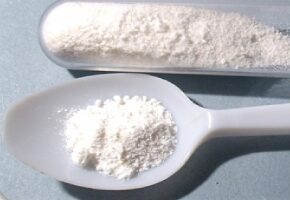
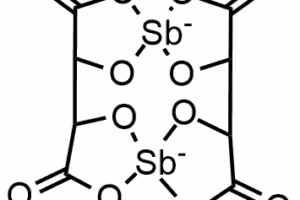
    Potassium_antimonyl_tartrate Common Names: Ant-tart; tartar emetic; antimony tartrate; antimony potassium tartrate.

    General Information

    Antimonium Tartaricum (Ant-t.) is a useful remedy for weakness with rattling respiration – the person is too weak, and their coughs too feeble, to clear the mucus from their chest. When symptoms suit, this remedy can be used for congested chests at any stage of life but it is more often needed during infancy and old age, or at the end-stage of disease. The person will be weak, drowsy, sweaty, and want to be left alone. Their tongue may have a heavy, white coating and if eating or drinking, acids, sour drinks, apples, or juicy things are preferred.

    Mental-Emotional Symptoms

    • Weakness with overwhelming sleepiness.
    • Want to be left alone.
    • Don’t want to be looked at.

    Respiratory Problems

    • Frequent yawning.
    • Rapid breathing.
    • Shortness of breath.
    • Loose, rattling cough but scanty expectoration – unable to cough it out.
    • Cyanosis (blueness from lack of oxygen) in babies.
    • Suffocative cough and wheezing, especially in the elderly or those at the end stage of disease.
    • Types of bronchitis, from simple to severe – symptoms must match.
    • Types of pneumonia – symptoms must match.

    Gastrointestinal Problems

    • White-coated tongue with respiratory complaints.
    • Craving for acidic, sour, juicy things.

    For Pets

    • Rattling respiration and coughs, with tiredness.

    Where do I find it?

    Antimonium Tartaricum (Ant-t.) is available from our online store as a single remedy, and as part of the following Complex (combination remedy): Cough – Loose.

    Home Treatment Guidelines

    Acute, Self-Limiting Conditions

    Conditions like colds or minor injuries, which are short-term and typically improve on their own, can be managed at home with homeopathy. However, in emergencies or if symptoms worsen, contact your healthcare provider.

    Chronic Conditions

    These home treatment instructions do not apply for ongoing issues, whether mentioned above or not, like persistent allergies or chronic pain. You should consult a qualified homeopath for a personalized treatment plan to achieve the best results with homeopathy for chronic conditions.

    How to Take the Remedy for Acute Conditions

    • Take one pill or five drops of the remedy. The frequency depends on symptom severity. As examples:
      • For life-threatening symptoms, take every 1 minute and seek emergency help immediately.
      • For mild symptoms, take every 4 hours.
    • Stop taking the remedy once you feel better. Resume if symptoms return.
    • If no improvement after four doses, choose a different remedy or consult a professional homeopath.
    • For more details on dosing, refer to: How Often to Dose with a 30C Homeopathic remedy.
    • For information on the different potencies, read: Guidelines on which potency to use

    Additional Notes From Past Masters

    Homeopathy is a 200-year-old system of medicine. Early homeopaths recorded detailed notes on how remedies worked, including initial tests, remedy relationships, and their experiences. These writings were shared to improve homeopathic practice and now offer fascinating insights into past uses of homeopathy. Here’s an example, edited and modernised for clarity, from Leaders In Homoeopathic Therapeutics (1898) by E. B. NASH M.D.:

    Leaders In Homoeopathic Therapeutics by E. B. NASH M.D.

    Antimonium tartaricum (Ant-t.)

    Great accumulation of mucus in the air passages, with coarse rattling with inability to expectorate; impending paralysis of lungs.

    Face very pale or cyanotic from unoxidized blood.

    Great coma or sleepiness in most complaints.

    Vomiting, intense nausea, with prostration; general coldness, cold sweat and sleepiness.

    Trembling; internal, head and hands.

    Thick eruptions like pocks, often pustular; as large as a pea.

    Modalities: > from expectoration.

    Both ends of life, childhood and old age; clings to those around; wants to be carried; cries and whines if any one touches it; will not let you feel the pulse.

    * * * * *

    Antimonium tartaricum is another powerful emetic. I can remember the time when the old allopaths used it almost as generally as the botanics did Lobelia inflata, to “clean out the stomach.” Now-a-days, washing out the stomach by lavage, and the rectum and colon by enemas, according to “Hall’s method,” is quite fashionable, and is withal much more sensible, inasmuch as they are so lame in their therapeutics.

    Notwithstanding these improvements, there is still a great deal of “gut scraping” going on in the name of “cleaning out the system,” as though the alimentary canal was not a self-cleaning institution, if kept, or put into a healthy condition, but must be regularly “gone through” once in about so often, on the “house cleaning” principle.

    To be sure it is folly, but they do the best they know. Neither Antimonium tart. nor any other emetic is used by us for emetic purposes from a therapeutic standpoint.

    Our therapeutic uses of it are the same as those of any other remedy, on the principle of similia similibus curantur.

    The nausea of this remedy is as intense as that of Ipecacuanha, but not so persistent, and there is relief after vomiting. I have found it nearest a specific (of course we know there is no absolute specific for any disease) for cholera morbus of any remedy. For more than twenty-five years, I have seldom found it necessary to use any other, and then only when there were severe cramps in the stomach and bowels, when Cuprum metallicum relieved.

    It has the nausea, vomiting, loose stools, prostration, cold sweat, and stupor or drowsiness found in almost all bad cases of this disease, and I have seldom been obliged to give more than two or three doses, one after each vomiting, before the case was relieved. It is not generally recommended in the text-books for this ailment, but is a gem, as I know from abundant experience and observation.

    If Antimonium tart. possessed only the one power of curing, that it does upon the respiratory organs, it would be indispensable. No matter what the name of the trouble, whether it be bronchitis, pneumonia, whooping cough or asthma, if there is great accumulation of mucus with coarse rattling, or filling up with it, but, at the same time, there seems to be inability to raise it, Tartar emetic is the first remedy to be thought of. This is true in all ages and constitutions, but particularly so in children and old people.

    There is one symptom that is very apt to be present in these cases, and that is, great drowsiness or sleepiness, sometimes amounting to coma. This is found, not only in diseases of the respiratory organs, but in cholera infantum, cholera morbus and intermittent fever.

    In pneumonia, both Tartar emetic and Opium may have great sleepiness but there is no need for any confusion here as to choice, for in Opium; the face is dark red or purple, and there may be sighing or stertorous respiration. With Tartar emetic the face is always pale, or cyanotic, with no redness, and the breathing is not stertorous.

    Three remedies are remarkable for sleepiness, viz.: Opium; Tartar emetic and Nux moschata, but aside from this one symptom they are not alike.

    Antimonium tart. is also one of our best remedies for hepatization of lungs remaining after pneumonia. There is dullness on percussion, and lack or absence of respiratory murmur, and shortness of breath, and patient continues pale, weak and sleepy.

    If Sulphur should not promote absorption in such a case, Tartar emetic will often do it. I have used it from the 200th to the c. m. potencies with equally good results.

  • Know Your Remedies – Carbo Vegetabilis (Carb-v.)

    Know Your Remedies – Carbo Vegetabilis (Carb-v.)

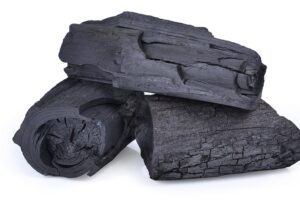
    Carbo vegetabilis is a must-have homeopathic remedy for a range of problems, including indigestion and more. Common Names: Vegetable charcoal; Carbo-veg.

    General Information

    The symptoms of Carbo Vegetabilis (Carb-v.) involve weakness of either vitality or digestion. Physical symptoms include debility – even to the point of collapse, sluggishness, breathlessness, indigestion, bloating, belching and flatulence. The person may have “air hunger” and want fresh air or to be fanned. Even though they feel chilly, they don’t want to be covered. Mental-emotional symptoms include apathy, indifference, poor memory, depression, and irritability – especially with family members. Physical and mental-emotional symptoms may co-exist with or be caused by chronic health problems or slow recovery from surgery.

    Digestive Problems

    • Indigestion from fatty, rich foods – may lead to offensive wind (gas) or diarrhoea.
    • Bloating, discomfort and pain relieved for short periods only by belching or passing gas (wind).
    • Flatulence worse at night, on lying down, or when wearing tight clothing.
    • Desires sweet or salty food.

    Respiratory Problems

    • Breathlessness from overeating or bloating.
    • Must sit up in bed to breath easily.

    Fainting

    • Before fainting, or during recovery, wants fresh air and to be fanned.
    • Pale face.
    • Cold sweat.

    Shock

    • Cold sweat.
    • Cold, pale or bluish skin but doesn’t want to be covered.
    • Breathless or gasping.

    Poisoning

    • From food or carbon monoxide, when the above general symptoms are present.

    For Pets

    • States of collapse, or near death states, where the animal is gasping or in shock.
    • Cold skin or paws.
    • Digestive upsets with bloating, distension and flatulence.

    Where do I find it?

    Carbo Vegetabilis (Carb-v.) is available from our online store as a single remedy, and as part of the following Complexes (combination remedies): Indigestion; Irritable Bowel; Overindulgence & Hangover; Receding Gums.

    Home Treatment Guidelines

    Acute, Self-Limiting Conditions

    Conditions like colds or minor injuries, which are short-term and typically improve on their own, can be managed at home with homeopathy. However, in emergencies or if symptoms worsen, contact your healthcare provider.

    Chronic Conditions

    These home treatment instructions do not apply for ongoing issues, whether mentioned above or not, like persistent allergies or chronic pain. You should consult a qualified homeopath for a personalized treatment plan to achieve the best results with homeopathy for chronic conditions.

    How to Take the Remedy for Acute Conditions

    • Take one pill or five drops of the remedy. The frequency depends on symptom severity. As examples:
      • For life-threatening symptoms, take every 1 minute and seek emergency help immediately.
      • For mild symptoms, take every 4 hours.
    • Stop taking the remedy once you feel better. Resume if symptoms return.
    • If no improvement after four doses, choose a different remedy or consult a professional homeopath.
    • For more details on dosing, refer to: How Often to Dose with a 30C Homeopathic remedy.
    • For information on the different potencies, read: Guidelines on which potency to use

    Additional Notes From Past Masters

    Homeopathy is a 200-year-old system of medicine. Early homeopaths recorded detailed notes on how remedies worked, including initial tests, remedy relationships, and their experiences. These writings were shared to improve homeopathic practice and now offer fascinating insights into past uses of homeopathy. Here’s an example, edited and modernised for clarity, from Leaders In Homoeopathic Therapeutics (1898) by E. B. NASH M.D.:

    Leaders In Homoeopathic Therapeutics by E. B. Nash M.D.

    Carbo Vegetabilis (Carb-v.)

    Vital force nearly exhausted; complete collapse.

    Blood stagnates in the capillaries; venous turgescence; surface cold and blue.

    Hemorrhages (nose, stomach, gums, bowels, bladder or any mucous surface), with indescribable paleness of the surface of the body.

    Mucous membranes break down, become spongy, bleed ulcerate and become putrid.

    Excessive flatulence, pressing upward, stomach and abdomen.

    Hunger for oxygen, decarbonized blood; cries, “fan me, fan me hard!”

    Anemic, especially after acute diseases, which have greatly depleted the patients; chronic effects.

    Persons who have never fully recovered from the exhausting effects of some previous illness; has never recovered from effects of typhoid, weak digestion; the simplest food disagrees; eructations give temporary relief.

    Bad effects from loss of vital fluids (Caust.); hemorrhage from any broken-down condition of mucous membrane.

    Looseness of teeth, easily bleeding gums.

    In the last stages of disease, with copious cold sweat, cold breath, cold tongue, voice lost, this remedy may save a life.

    Coldness of the knees, even in bed (Apis); of left arm and left leg; very cold hands and feet; finger-nails blue.

    Persons who have never recovered from effects of some previous illness or injury; suppression by Quinine or drugging; typhoid or yellow fever.

    China is its great complementary.

    * * * * *

    In our remarks upon China we said that for flatulent conditions the choice lay often between it, Carbo veg. and Lycopodium.

    Carbo vegetabilis also ranges alongside China for debilitated states. The weakness of Carbo vegetabilis is not surpassed by any other remedy. This, with Arsenicum and Muriatic acid form a trio of remedies which according to well-known indications has snatched many a patient from the very jaws of death.

    Picture of Carbo veg.: Vital forces nearly exhausted, cold surface, especially from knees down to feet; lies motionless, as if dead; breath cold; pulse intermittent, thready; cold sweat on limbs. This is truly a desperate condition.

    Then add to these symptoms, blood stagnates in the capillaries, causing blueness, coldness and ecchymoses; the patient so weak he cannot breathe without being constantly fanned. Gasps: “Fan me ! Fan me !” Carbo veg. has saved such cases.

    This is a picture of a case of typhoid fever, and in one case we saw added still to this, hemorrhage of dark, decomposed, unclotted blood; could not clot on account of its broken down condition; blood oozing from gums and nostrils, and an indescribable paleness not only of the hippocratic face, but also of the skin of the whole body, yet Carbo veg. restored to health, and in an aged woman at that.

    I have here, as faithfully as I can, portrayed the wonderful power of this remedy in such a desperate case.

    Of course no remedy can raise the dead, no matter how strong the indications before death; but no remedy can come nearer than this and the dominant school know little or nothing about it, and never can until they will consent to use it in the homeopathic form and according to homeopathic indications.

    The sphere of this remedy is not by any means limited to low or weakening states in connection with acute diseases.

    To give an idea of its use when indicated by the symptoms in chronic ailments, I can do no better than quote from Henry N. Guernsey: “No truer remark was ever written than that Carbo vegetabilis is especially adapted to cachectic individuals whose vital powers have become weakened. This remark is made particularly clear when considered in the light of those cases in which disease seems to be engrafted upon the system by reason of the depressing influence of some prior derangement. (Psorinum).

    Thus, for instance, the patient tells us that asthma has troubled him ever since he had the whooping cough in childhood; he has dyspepsia ever since a drunken debauch which occurred some years ago; he has never been well since the time he strained himself so badly (Rhus tox., Calcarea ost.); the strain itself does not now seem to be the matter, but his present ailments have all appeared since it happened; he sustained an injury some years ago, no traces of which are now apparent, and yet he dates his present complaints from the time of the occurrence of that accident; or again, he was injured by exposure to damp, hot air and his present ailments result from it.

    It will be well for the physician to think of Carbo vegetabilis in similar cases which are numerous and may present very dissimilar phenomena, as these circumstances being suggestive of Carbo veg. it in all probability will be found to be the appropriate remedy which the agreement of the other symptoms of the case with those of the drug will serve to corroborate.” This is from the pen of one of the best prescribers that ever lived, and I feel justified in quoting it entire.

    This remedy seems to affect deeply the whole alimentary tract, and the same broken down, weakened condition appears. The gums break down, become spongy, bleed on touching or sucking them or become retracted from the teeth, lower incisors and are painfully sensitive or sore on chewing or even pressing the teeth hard together. The stomach also becomes weak. acidity and pyrosis is frequent; the plainest food disagrees, fat foods especially. Here Carbo vegetabilis succeeds when Pulsatilla fails.

    The most marked and valuable place for this remedy is in its power to relieve complaints from excessive flatulence in the stomach. “Great accumulations of flatulence in the stomach.” “Stomach feels full and tense from flatulence.” Great pain in stomach on account of flatulence, worse especially on lying down, should always call attention to this remedy.

    All this may occur in different affections ranging from a simple dyspepsia to incurable cancer of the stomach. In the latter case, and even in cases not so serious, we may have added burning in stomach. This flatulence is also generated in the abdomen, but, in the Carbo vegetabilis cases, is most troublesome in upper part; yet may extend so far as to cause great meteoristic distention, especially in typhoid fevers, dysenteries, etc.

    It is a remedy of inestimable value in hemorrhage from any broken down condition of mucous membranes. This action upon the mucous membranes does not stop with the alimentary tract, but attacks those of the respiratory tract also.

    Beginning with the larynx, it causes and cures great hoarseness, which is characteristically worse in the damp air, especially of evening. It may be very bad even (if the air is damp) in the morning; but morning hoarseness is oftener reached by Causticum. This condition may go on extending and increasing until it reaches the bronchia.

    This is particularly true in case of elderly people of broken down constitutions, venous system predominating. It is a great remedy for the bronchitis of old people; also for asthma of the same, in very desperate cases where the patient appears as if dying. Here the choice must be sometimes made between this remedy and China.

    In the chest there is sometimes “burning as from glowing coal” and again, “weak, fatigued feeling in chest,” where the choice may fall between it and Phosphoric acid, Stannum and Sulphur.

    It has been found very efficacious in desperate cases of pneumonia, and comes in quite naturally after Tartar emetic has failed to assist the patient to clear his lungs of the great quantities of loosened mucus, when cyanosis and paralysis threaten from weakness. Its sputa then is apt to be fetid with cold sweat and breath and the characteristic wanted-to-be-fanned condition.

    Before we leave this remedy I want to emphasize its power over hemorrhages, which may occur from lungs, nose, stomach, bowels, bladder or any mucous surface. No remedy can take its place in broken down, greatly debilitated constitutions where the surfaces from which the blood oozes seem too weak and spongy to hold the blood in them. Their vitality is gone with the patient’s nervous vitality. The patient’s face and skin is very pale, even before the hemorrhage has occurred. China and Carbo vegetabilis are decidedly complementary.

  • Know Your Remedies: Cocculus Indicus (Cocc.)

    Know Your Remedies: Cocculus Indicus (Cocc.)

    OIPCommon Names: Indian berry; fish berry; levant nut.

    General Information

    Cocculus Indicus (Cocc.) is a key remedy for motion sickness or complaints following lack of sleep, especially lack of sleep from caring for others. These complaints usually revolve around, dullness or confusion, dizziness, slowness, nausea, headaches, and weakness. Those needing Cocculus are often empathic, sensitive, serious, and tend to be quiet individuals.

    Motion Sickness

    • From looking at moving objects.
    • From riding in cars or boats.

    Nausea

    • From motion or looking at moving objects.
    • With dizziness.
    • On rising – has to lie down.
    • Worsened by the smell of food.

    Vertigo / Dizziness

    • From looking at moving objects
    • After loss of sleep.
    • Things spin in all directions.
    • Drunken feeling.

    Confusion and Fogginess

    • Slowing of reactions.
    • Slow to answer questions.
    • Weakness of memory for what has just been thought.

    Dysmenorrhoea / Painful Periods

    • With weakness, dizziness, and cramps.
    • Bleeding profuse, early, and dark.

    Sleep Disturbances

    • Sleeplessness from mental or physical exhaustion.
    • Sleeplessness from cares and worry about others.

    For Pets

    • Travel and motion sickness.
    • Dogs may salivate with the nausea but not vomit.

    Where do I find it?

    Cocculus (Cocc.) is available from our online store as a single remedy and is also included in the following Complexes (combination remedies): Brain Fog; Cramps – Menstrual; Fatigue – Mental; Insomnia from Anxiety or Grief; Motion Sickness; Nausea; Jet-lag.

    Home Treatment Guidelines

    Acute, Self-Limiting Conditions

    Conditions like colds or minor injuries, which are short-term and typically improve on their own, can be managed at home with homeopathy. However, in emergencies or if symptoms worsen, contact your healthcare provider.

    Chronic Conditions

    These home treatment instructions do not apply for ongoing issues, whether mentioned above or not, like persistent allergies or chronic pain. You should consult a qualified homeopath for a personalized treatment plan to achieve the best results with homeopathy for chronic conditions.

    How to Take the Remedy for Acute Conditions

    • Take one pill or five drops of the remedy. The frequency depends on symptom severity. As examples:
      • For life-threatening symptoms, take every 1 minute and seek emergency help immediately.
      • For mild symptoms, take every 4 hours.
    • Stop taking the remedy once you feel better. Resume if symptoms return.
    • If no improvement after four doses, choose a different remedy or consult a professional homeopath.
    • For more details on dosing, refer to: How Often to Dose with a 30C Homeopathic remedy.
    • For information on the different potencies, read: Guidelines on which potency to use

    Additional Notes From Past Masters

    Homeopathy is a 200-year-old system of medicine. Early homeopaths recorded detailed notes on how remedies worked, including initial tests, remedy relationships, and their experiences. These writings were shared to improve homeopathic practice and now offer fascinating insights into past uses of homeopathy. Here’s an example, edited and modernised for clarity, from Leaders In Homoeopathic Therapeutics (1898) by E. B. NASH M.D.:

    Leaders In Homoeopathic Therapeutics by E. B. NASH M.D.

    Cocculus Indicus (Cocc.)

    Weakness of cervical muscles, can hardly hold the head up.

    Weakness in small of back as if paralyzed; gives out when walking; can hardly stand, walk or talk.

    Hands and feet get numb; asleep.

    Headache with nausea and vomiting; gets faint and sick on rising up or riding in carriage or boat.

    General sensation of weakness; or weak, hollow, gone feeling in head, stomach, abdomen, etc.; < by loss of sleep or night watching.

    Great distention with flatulent colic, wind or menstrual colic; crampy pains, inclined to hernia.

    Modalities: < sitting up, moving, riding in carriage or boat, smoking, talking, eating, drinking, night watching; > when lying quiet.

    * * * * *

    Farrington says: “Cocculus acts on the cerebro-spinal system, producing great debility of these organs. It causes a paralytic weakness of the spine, and especially of its motor nerves; thus we find it a certain and frequent remedy in paralysis originating in disease of the spinal cord.

    It is especially indicated in the beginning of the trouble, when the lumbar region of the spine is affected; there is weakness in the small of the back as if paralyzed; the small of the back gives out when walking.

    There is weakness of the legs, and by the legs I mean the entire lower extremities; the knees give out when walking, the soles of the feet feel as if they were asleep, the thighs ache as if they were pounded; first one hand goes to sleep, then the other; sometimes the whole arm goes to sleep and the hand feels as if swollen. These symptoms lie at the foundation of the symptomatology of the whole drug; they all seem to depend upon spinal weakness.”

    Dunham says: “Its sphere of action is preeminently the system of animal life; the voluntary muscular system first, and then the sensorium are the primary seats of action. Nausea extending to the point of vomiting and accompanied by faintness and by severe vertigo when lifting the head is a characteristic symptom.”

    Hughes says: “It influences the voluntary muscles rather than the intellectual powers; with this Hahnemann’s provings entirely agree.”

    Pareira says: “It acts rather on the voluntary muscles than the intellectual powers.”

    We have given these quotations from different authors in order to find whether they afforded us much help from a practical standpoint. Dr. Hughes says the provings of Hahnemann corroborate these generalizations. We quote from the provings:

    “Weakness of the cervical muscles with heaviness of the head, muscles seem unable to support the head.” (Calc. phos, Verat. alb.). “Paralytic pain in the small of the back, with spasmodic drawing across the hips, which prevents walking.” “His knees sink down from weakness, he totters while walking and threatens to fall to one side.”

    “At one time his feet are asleep, at another the hands.” “The hand trembles while eating, and the more the higher it is raised.” “Now one hand, now the other, seems insensible and asleep.” The soles of the feet go to sleep, while sitting.” “General attacks of paralytic weakness, with pain in the back.”

    All these are verified symptoms from Allen’s Encyclopædia of Pure Materia Medica. They are in the simplest terms, and while they do agree with the statements of the above quoted learned men, acting upon the spine and motor muscles, could be applied to the cure of the sick according to the directions of Hahnemann by any layman of ordinary intelligence.

    Thus is the practice of curative medicine simplified, being delivered from speculative theorizings of dreamers, and if it will cure the sick in the case of a Cocculus patient, it will by the same unerring law of “symptom covering” do it in every curable case.

    We might sum up the whole action of this remedy upon the nervous system in one word, viz., prostration, but what does that amount to for purposes of prescribing.

    Many remedies prostrate fearfully, but each one has its peculiar kind of prostration, and when men, like I heard a celebrated surgeon in a homœopathic college do, make their boast that they prescribed on physiological ground, without any regard to symptomatology, I can but feel that such know little or nothing of the art of homœopathic prescribing, no matter what their other attainments.

    According to Hahnemann’s teachings symptomatology leads in scientific prescribing, no matter what the pathological condition.

    Aside from the symptoms which attend the general prostration and spinal trouble, or coupled with them, we have the following which are characteristic. “Confusion or stupefaction of the head, increased by eating and drinking.” “Vertigo, as if intoxicated and confusion of the mind.” “Whirling vertigo on rising up in bed; which compelled him to lie down again.” “Sick headache with nausea and inclination to vomit.” “All these symptoms are made particularly worse by riding in carriage or boat.” Sea-sickness. (Sea-sickness > on deck in fresh cold air.) (Tabac.).

    The headaches and vertigo of Cocculus are different from Bryonia, notwithstanding the fact that both are made worse by rising up in bed. In Bryonia and some other remedies the sickness at the stomach precedes the headache which in Cocculus is exactly the reverse. Painful sensation of weakness or emptiness in the head is found under Cocculus and is in keeping with the general weakness.

    This sensation of emptiness, which is another name for weakness, is a general characteristic of Cocculus, and is found in head, abdomen, bowels, chest, heart, stomach; in short, in all internal parts.

    The nausea of Cocculus, which is so constant a symptom of the headaches, is something like that which is so characteristic of Colchicum, viz.: “Extreme aversion to food, caused even by the smell of food, although with hunger.” With Colchicum there is more pronounced nausea, as well as aversion. The patient is nauseated even to faintness. There is with Cocculus a metallic taste in the mouth.

    The sensorium comes under the same profound depression that invades the general nervous system. The patient is sad, absorbed within himself, brooding, moody, silent, sits in a corner buried in sad thoughts, etc. This is particularly the case in nervous fevers. Depression, depression, depression. Cocculus has some very important symptoms in the abdominal and uterine regions.

    One is great distention of the abdomen. This is found in both flatulent colic and dysmenorrhœa. In flatulent colic, for which it is so valuable a remedy, the patient complains of a sensation as if the abdomen were full of sharp sticks or stones. The attacks are often at mid-night. The flatus seems here and there, and passage of it does not seem to relieve much, for new forms again take its place.

    Then again there seems to be great pressure in the inguinal region as if hernia would occur.

    In dysmenorrhœa, in addition to the distention, there are griping, cramping pains, which are very severe, and also a remarkable degree of weakness. She is so weak that she can hardly stand, walk or talk. This is very characteristic and, so far as weakness goes, resembles Carbo animalis, but in Cocculus it is in line with the general prostration of the remedy, while in Carbo animalis the flow weakens her. In Cocculus the flow may not be at all excessive, but on the contrary may grow less and less and a leucorrhœa appear in its stead, or even between the menses also. This is the way we have to differentiate between remedies if we are successful in practice.

    Now, if I were to give the four great characteristic symptoms of this remedy they would be these:

    1. Weakness of cervical muscles, with heaviness of head.

    2. Affections caused or < by riding in cars, carriage or boat.

    3. Sensation of weakness, or hollowness in various organs.

    4. Ill effects from loss of sleep, night-watching or over-work. (Causticum Cuprum met., Ignatia, Nitric acid.).

  • Remedy: Laurocerasus (Laur.)

    Remedy: Laurocerasus (Laur.)

    1395146_697524756943969_163412032_nPrunus laurocerasus is an evergreen shrub or tree that grows to a height of 15 metres. Native to areas of the Black Sea, south-eastern Europe and south-western Asia, it is also known as the common laurel, cherry laurel or English laurel. Prunus Laurocerasus produces dark green, shiny, leathery leaves, racemes of white flowers and dark berries and is frequently used for hedges and in gardens. Its leaves smell like almonds when crushed and are favoured for laurel wreaths.
    The homeopathic remedy, Laurocerasus (Laur.), is prepared from the leaves of the plant, and is frequently used during cardiac or respiratory disorders with coldness, collapse, low vitality and weakness. The patient may intensely sleepy to the point of coma and have lack of reaction. It is also indicated in cyanosis (blueness) of newborns, especially when the above symptoms are present.

    COMMON USES

    When the remedy matches the symptom profile, Laurocerasus has the ability to treat conditions such as congenital heart disease, congestive cardiac failure, coma, cyanosis, and pneumonia.

    Important

    While above self-limiting or acute complaints are suitable for home treatment, see your healthcare provider if symptoms worsen or fail to improve. Chronic or persistent complaints, which may or may not be mentioned above, require a different treatment and dosage protocol so are best managed by a qualified homeopath for good results.

    Lippe says:

    MIND AND DISPOSITION.
    Dulness of the senses ; inability to collect one’s ideas.
    Insensibility and complete loss of sensation.
    Weakness of mind and loss of memory ; fear and anxiety about imaginary evils.
    Loss of consciousness, with loss of speech and motion.
    Intoxication.

    GENERALITIES.
    Stinging and tearing in the limbs.
    Painless paralysis of the limbs.
    Want of energy of the vital powers and want of reaction.
    Apoplexy, with paralysis.
    Tetanus.
    Epileptic convulsions, with foam before the tightly closed mouth.
    Painlessness with the ailments.

    CONDITIONS.
    Aggravation in the evening.
    Amelioration at night and in the open air.

    Hering says:

    MIND.
    Loss of consciousness, with loss of speech and motion.
    Insensibility and complete loss of sensation.
    Dulness of the senses.
    Weakness of mind and loss of memory.
    Inability to collect one’s idea.
    Fear and anxiety about imaginary evils.

    SENSATIONS.
    Painfulness with the ailments.
    Acts on brain and spine, especially upon the medulla oblongata ; hence characteristic tetanic spasms of the upper part of the body, gasping breathing, etc.

    Nash says:

    Suffocative spells about the heart, < sitting up, > lying down; cardiac cough; gasping, twitching and jerks.
    Lack of re-active power, low vitality, with blueness or cyanoses, especially in heart troubles.
    Drink rolls audibly down through the œsophagus and intestines; very low pulse.

    More Information

    Guidelines on which potency to use

  • Know Your Remedies – Cyclamen Europaeum (Cycl)

    Know Your Remedies – Cyclamen Europaeum (Cycl)

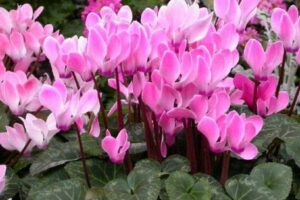
    cyclamen europaeumCyclamen is a low growing perennial flowering plant common to Europe and
    the Mediterranean basin. It is easily identified by its oval patterned
    leaves and attractive flowers with upswept petals. The homeopathic
    remedy, Cyclamen europaeum (Cycl.) is prepared from the plant’s root or
    tuber.

    Digestive complaints, menstrual difficulties, and emotional disturbances
    benefit from homeopathic Cyclamen but only when other symptoms support
    its prescription. It is one of the key remedies for indigestion from fat
    and pork, and unwarranted feelings of guilt and anxiety of conscience.

    Common Uses

    When the remedy matches the symptom profile, Cyclamen has the ability to
    treat conditions such as: dysmenorrhoea; gastritis; headache and
    migraine; menstrual disturbances; strabismus; vaginitis; vertigo and
    visual disturbances.

    From the old masters:

    Nash says:

    Violent headache, with flickering before the eyes, or stops and various colors, < in the morning and at the menses.

    Lippe says:

    Mind and Disposition.
    Taciturn, depressed, out of humor.
    Inclined to internal, undemonstrative grief.
    Sudden change of sadness and cheerfulness.
    Weakness of the memory.
    Dulness of the mind and indisposition to perform any sort of labor.

    Generalities.
    Pressing, drawing pains, generally in the periosteum or where the skin covers the bones.
    Weakness, especially in the evening, with ill-humor and sleepiness ; better when moving about.

    Conditions.
    Aggravation when at rest and in the evening.
    As long as he moves about he feels well, but as soon as he sits down, especially in the evening, he experiences various inconveniences.

    Aggravation
     from eating fat food ; while reposing (when sitting, standing).
    Amelioration from moving (walking).

    Hering says:

    Mind.

    Consciousness almost extinct. 
    Very active memory, which alternates with weak memory.
     
    Mental labor impossible on account of dullness or stupefaction.
     
    Absorbed in deep thought, seeks solitude, thinks about his future.
     
    Confusion of head ; questions answered incoherently.
     
    Loss of former cheerfulness ; love of solitude ; aversion to work and to open air ; sensation as if room was too small, with reluctance to going into open air ; solitude and weeping give relief. θ Suppression of menses.
    Disinclined to work, with weakness.
     
    Taciturn, depressed, out of humor. 
    Joyful feeling with trembling ; exuberant spirits.
     
    Joyous feeling, alternating with irritability.
     
    Serene humor changes suddenly into seriousness or peevishness.
     
    Great sadness, as if he had committed a bad action or not done his duty.
     
    Great sadness and peevishness ; menses suppressed, or scanty and painful.
     
    Melancholy ; inclined to tears, and silent grief.
     
    Vertigo, with pain in head and nausea ; vomits nearly every day, and often all the food taken, with slime and bile ; greatly reduced, can scarcely walk across floor ; pains in head continuous, but very much worse at times ; < in right temple ; but extend all over head ; mind so affected as to make her indifferent to what transpired about her, and rendered her incompetent to describe her own case ; finally consciousness almost extinct ; questions answered incoherently ; feces and urine pass involuntarily and unconsciously. θ Mental derangement at climacteric period. 
    On awaking, weariness, clammy mouth and irritable mood.
     
    Ill humor ; disposition to weep ; fear of death, or an illusion of being deserted or persecuted by every one.
     
    Anxiety, with nausea, at night. 
    Ill humor, after vomiting.
     
    Ill humored, morose mood ; could easily take offense at every trifle. 
    Obstinate, irritable, fault-finding disposition. 
    Solitude and weeping give relief.
     
    Ailments from inward grief and terrors of conscience.

    Sensations.

    Sensation of fulness in internal parts ; sore and bruised pain in external parts ; as if room was too small ; as if brain were moving within cranium, or as it does when riding in a wagon with closed eyes ; as if brain was in motion when leaning against something ; as if brain was enveloped in a cloth, which would deprive him of his senses ; as though fog were before sight and as though eyes were about to close ; as if brain wobbled about while walking ; as if looking through dark blue glass, like mist before eyes ; eyelids as if swollen ; dullness of hearing, as if cotton was in ear or something lying before ear ; as of an induration on upper lip ; qualmishness as after eating too much fat ; as if he had eaten too much ; crawling as of something alive in bowels ; as if a spot was suppurating ; as if room was too small ; as if there was not strength enough to breathe ; as of something alive running in heart ; as if air streamed from nipples ; as if she must let fall that which is in hands ; as if sprained in foot ; limbs feel as if their mobility were impaired. 
    Pain : in head, with nausea ; in forehead ; one-sided ; left temple ; in bowels ; in fauces ; in small of back ; in bottom of foot.
     
    Indescribable pain : in scrobiculum cordis.
     
    Violent pain : in forehead, temple and vertex.
     
    Tearing : externally in head ; in teeth ; in abdomen ; over scapulæ ; elbow ; in wrist-joint.
     
    Piercing : in upper abdomen.
     
    Stitches : in temples ; in eyes ; in eyeballs ; in inguinal canal ; in chest ; about apex of heart ; in right side ; in mamma ; penetrating, deep and dull in kidney.
     
    Stitching pains : in forehead ; in temples ; in vertex ; in teeth ; on tongue ; in stomach ; in region of liver ; in abdomen ; in umbilical region ; in urethra.
     
    Darting pain : in forehead ; in temples ; in vertex.
     
    Stinging pain : in forehead and temples.
     
    Pricking : at end of urethra ; between fingers.
     
    Sticking : in scalp.
     
    Gnawing pain : in bowels ; in abdomen, thence all over body.
     
    Boring pains : in temples ; in teeth.
     
    Pinching : in abdomen.
     
    Cramp-like pains : in abdomen ; in thumb ; in index-finger ; on thigh.
     
    Twinges : up back.
     
    Labor-like pains : in abdomen ; commencing in small of back and running down each side of abdomen to pubes.
     
    Drawing pain : in right internal ear ; in and about anus and perineum ; in left side of neck ; in ulna ; in wrist ; in left gluteus maximus ; in flexors of legs ; muscles ; in bones ; in periosteum.
     
    Rheumatic pains : in head and ears ; in left side of neck ; drawing in left gluteus maximus.
     
    Aching pains : in stomach, extending through to back.
     
    Formicating : on scalp.
     
    Throbbing : in head.
     
    Bruised pain : above elbow-joint.
     

    Tissues.

    Acts upon the cerebro-spinal system, affecting sensorium, eyes, gastrointestinal canal, and more especially the female sexual organs. 
    Pressive, drawing or tearing pains at parts where bones lie near surface.


    Sources:

    Textbook of Materia Medica by Adolph Lippe M.D. 1886 Publishers: AJ.Tafel

    Constantine Hering. 1877. Condensed Materia Medica. Publishers: Boericke and Tafel

    E. B. NASH. 1899 Leaders In Homoeopathic Therapeutics. Publishers: Boericke and Tafel