
-

Tutorial 15 – What to Expect (Part A)
With homeopathic treatment, results vary from person to person. Some results are dramatic and profound while others are mild or almost unnoticeable. We explain why.
-

Tutorial 14 – That First Appointment
Knowing that the information you provide at your first appointment is used to choose an appropriate remedy for you, it makes good sense to prepare beforehand.
-

Tutorial 13 – Finding a Good Homeopath
A common question is, “How do I find a good homeopath?” With many therapists incorporating remedies into their treatments it can be difficult to identify the professional homeopath.
-
Tutorial 12 – Treatment Approaches Compared
How does homeopathy differ from other therapies? We compare it to Bach flowers, tissue salts, herbs, and others to help explain the differences.
-

Tutorial 11 – Return of Old Symptoms
Marie was relieved that her menopausal symptoms had improved with homeopathy but past problems such as a painful shoulder and hay fever had returned. Why?
-

Tutorial 10 – Direction of Cure
Palliation or suppression gradually weakens vitality and leads to deteriorating health. Learn about the ‘direction of cure’ and how to tell when deep healing is truly taking place.
-

Tutorial 9 – Palliation, Suppression or Cure?
When unwell, our body tries to constantly heal itself. Treatments can be used to palliate or suppress its efforts, or stimulate a faster, stronger healing response.
-
Tutorial 8 – Potentised Remedies and the Vital Force
“It is useful to think of the Vital Force as a muscle … a sluggish Vital Force can be improved when exercised by repeated doses of a remedy.”
-
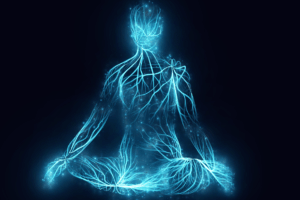
Tutorial 7 – The Vital Force
Chi, prana, life essence, bioenergy, vital force – they’re names used by various cultures for the life energy that resides in and animates all living things. Homeopathy acts at this level.
-

Tutorial 6 – Provings
Homeopathic remedies are tested on healthy volunteers rather than the unwell to reveal which symptoms each remedy has the potential to treat. Find out why.