• Autism – Connor’s Story

    Autism – Connor’s Story

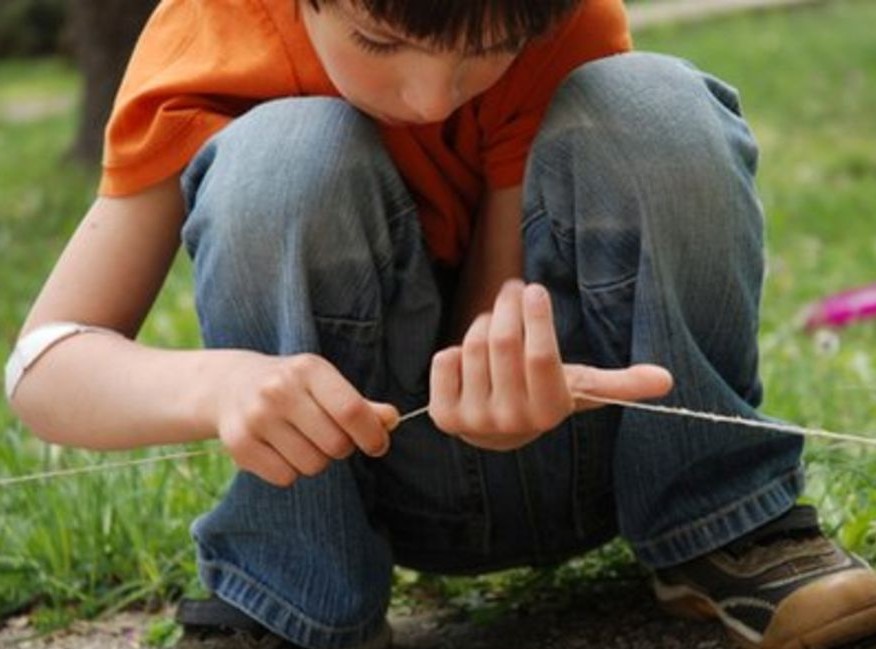
    A little boy connor who has autism and is being treated with homeopathy.Connor’s Mum tells his story…

    Thank you for giving me my son back.  I don’t know how to thank you enough.  It has been sad watching my beautiful boy, from being perfectly normal and chatty, turn into a child with speech and behaviour problems, a “child with autism”.

    Now after only a few months with homœopathy, he is just a normal five-year-old who doesn’t walk in circles any more, does make perfect eye contact, even corrects me when I’m too busy to stop and look into his eyes.

    From a child who was just sitting in a corner, now he has friends who don’t want to leave him alone, and he is quite a popular child in kinder.  From a child who wouldn’t even look at me or his sister or dad, now he is saying, “Mum I love you” and to his sister, “You are amazing” and for Dad now he is looking forward to him coming home after work.

    His speech is still not 100%, we have a problem with just a few sounds like “f” and “r”, which is quite common. Well, I can go on and on with what he can do now!

    THANK YOU, for everything.  We will definitely keep up the homœopathy.

    Treating Homeopath: Fran Sheffield
    Homeopathy Plus!
    T: +612 (2) 4304 0822
    W: www.fransheffieldhomeopathy.com/

    Other Resources

    1. Parents tell what happened for their child during homeopathic treatment 
    2. Homeopathy for Autism FAQs
    3. Reversing Autism: Part 1 – Homeopathy and the Treatment of Autism Spectrum Disorders (Information for Practitioners and Parents) 
    4. Reversing Autism: Part 2 – Other Approaches and Their Implications for Homeopathic Treatment (Information for Practitioners and Parents) 

    Do Visit: Saving a Lost Generation to watch Carol Boyce’s  trailer for her in-production film on how homeopathy brings real hope to autism afflicted children.

  • Brittany’s Tea Craving and Flatulence

    Brittany’s Tea Craving and Flatulence

    A picture of the adorable Brittany who gets help from homeopathy for her offensive flatulence.

    At two-and-a-half years of age, Brittany was a cute as a button – blonde hair, blue eyes and a rosebud mouth.

    Unfortunately, her parents were concerned about a delicate matter causing problems for her and others in the family.

    Brittany had been suffering from noisy, offensive flatulence (gas) almost from birth, and, after trying a number of options, her parents had made an appointment to see if homeopathy could help.

    Brittany’s father described his daughter’s flatulence as “not your small, silent ‘fluffs’ but full-blown, let-‘er-rip ones” that would clear a room.

    True to his description, Brittany passed large amounts of noisy and putrid smelling wind throughout the  consultation. Her father had not been exaggerating.

    Brittany’s mother was concerned that the extent and nature of Brittany’s flatulence was simply not normal for a full-grown adult let alone a toddler.

    She also described the smell as being like moldy tea. Personally, I would have suggested something much stronger.

    Brittany’s father explained in words that were nothing if not descriptive that she had always had unusual bowel movements.

    She normally passed a large, long, and heavy motion every day. They were so heavy, that if one rolled out of her nappy as she walked, it would hit the floor with a loud ‘thwack’!

    He said they looked like a torpedo or large log.

    Her parents were also concerned that Brittany was becoming a target for cruel jibes and jokes from other children and sometimes, adults.

    During the consult, as I watched Brittany play at her mother’s side, she would frequently climb onto her lap to snuggle into her arms. Every so often she would suck from a baby bottle with pale brown fluid.

    On asking what was in the bottle, I was told it contained weak tea. Her mother said it was a craving that had started when Brittany had first tasted tea from her own cup when much younger.

    Brittany now like tea so much that she would demand several weak bottles of it every day and, if she didn’t get them, would scream for hours. Her mother was quick to tell me that the tea was always highly watered down and so, very weak.

    Brittany also loved butter and, if she could, would eat it by the spoonfuls.

    Her parents described Brittany as shy and timid, and constantly needing attention.They found it difficult to have a conversation because of Brittany’s constant interruptions.

    She was content only when being cuddled or carried, especially when unwell, and would settle best if carried around outside in the fresh air.

    Throughout the consult, Brittany barely interacted with me but frequently climbed onto her mothers’ lap looking for attention.

    Treatment

    I prescribed a single dose of Pulsatilla 30C for Brittany and asked her parents to phone me some days later to discuss her response.

    Five days passed and her excited mother called to tell me that the day following the dose, Brittany had opened her bowels an amazing seven times!

    Since then, bowel motions had been normal in size and quantity, and, best of all, her loud and offensive flatulence had stopped.

    As a bonus, Brittany was no longer demanding tea in her bottle and seemed to be much less clingy and needy.

    It’s amazing, even to me, when just a single dose brings about such rapid and profound changes but it’s also not unusual in children with a high vitality that produces quicker and stronger responses than those normally seen in adults.

    I advised her Mum that improvement should continue and that further doses would be needed only if her symptoms returned.

    Her mother did eventually have to give Brittany another dose, three weeks later, but after that, according to reports, Brittany remained completely well.

    Why Pulsatilla?

    Brittany’s symptoms fitted the classic Pulsatilla profile. Those needing this remedy are often shy and yielding, and like being dependent on others.

    If they can’t get the support and attention they need, jealousy and attention-seeking behaviours emerge.

    Butter and tea are common food cravings and gastrointestinal complaints, especially with rich or fatty foods, are common.

    While it is possible that Brittany’s constipation and flatulence may have improved by just stopping the tea, this alone would not have been enough to correct the underlying imbalance that was responsible for the tea craving in the first place … digestive problems may (or may not) have improved but the craving and other problems would have continued.

    By prescribing Pulsatilla, the remedy that matched the symptoms of Brittany’s imbalance, many things improved: the tea (and butter) cravings disappeared, her constipation and flatulence resolved, and confidence and independence emerged.

    Brittany’s physical appearance also indicated the need for Pulsatilla. While homeopathy is never prescribed on looks alone it has been frequently noted that those needing Pulsatilla are often plump, fair, blued-eyed, and with full, red lips.

    This doesn’t mean that everyone who matches that appearance needs Pulsatilla, or that Pulsatilla only treats plump, fair, and blue-eyed people, but the correlation is surprisingly common.

    In Brittany’s case, Pulsatilla was the right choice for her. Today, she is a happy, healthy, little girl with no shortage of playmates – much to the relief of her family!

    (Treating homeopath: Fran Sheffield | Homeopathy Plus!)

  • Homeopathic Doses for All Ages

    Homeopathic Doses for All Ages

    A happy little boy taking homeopathic drops

    Question: Directions say that an adult should take one pill, or 5 drops (or something similiar) of a homeopathic remedy but what about a baby or small child? How much should they be given?

    A. People are often surprised to learn that babies, children and adults can all have the same sized dose of a remedy without any risk of toxic effects or addiction.

    This is because homeopathy is an energetic rather than a chemical system of medicine that doesn’t poison or create dependency no matter how large the dose is.

    While chemical components of conventional medicines can be halved or quartered by changing the size of the dose, the energetic information within a remedy is virtually the same whether one drop is given or twenty, one pill or five.

    For this reason a small animal or baby can have the same sized dose as a large adult and still do well. (See the story of Actium the budgerigar as and example who was treated with doses that would have been just as effective in an adult.)

    Occasionally, a person may experience a short-lived ‘aggravation’ to a remedy but this effect is related to their sensitivity rather than the age or size of the individual. It is easily managed by diluting the remedy further. (Read Tutorial 15 for more information on sensitivity and aggravations).

    Instructions on some ‘over the counter’remedies or from some homeopaths often state that babies and children should be given a smaller dose but this is to meet consumer expectations or matters of convenience – people expect babies to be given a smaller dose and it is much easier to give a baby a few drops rather than 2ml of a remedy.

  • Quick Help for Children’s Fevers

    Quick Help for Children’s Fevers

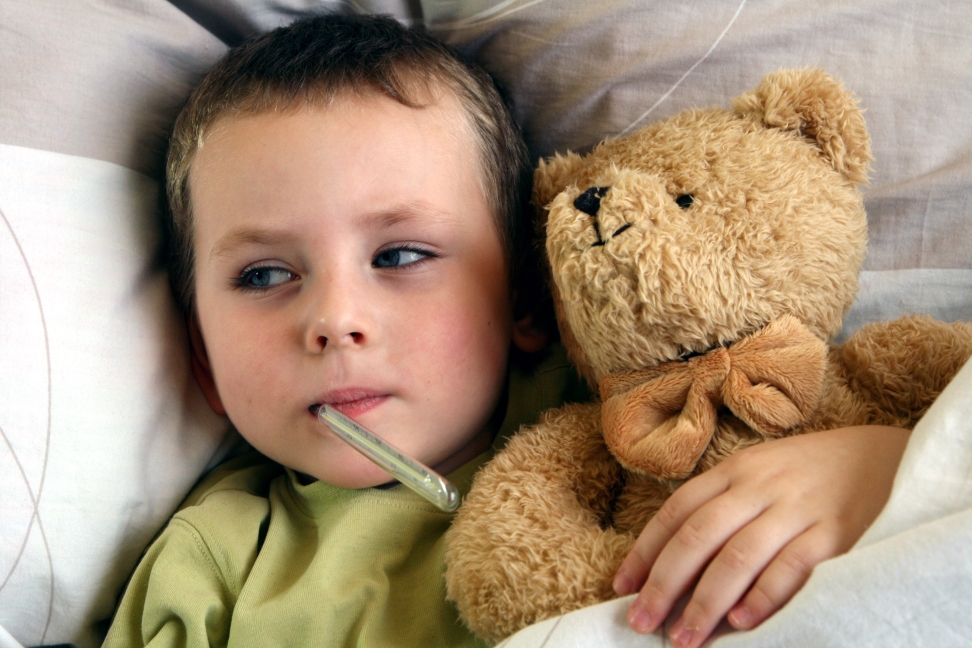
    ill child
    Homeopathy helps fevers, not by suppressing the fever itself, but by stimulating the body to overcome the problem causing the fever.

    Parents are usually surprised at how quickly this happens. A fever may break within minutes of giving the correct remedy, and there should certainly be a significant improvement by 2 – 3 doses.

    The following article points to four homeopathic remedies that help childhood fevers. There are others, but these main ones should be in every home medicine cabinet.

    Fevers – Hindrance or Help?

    Fever is the body’s natural response to infection. It stimulates the immune system to work more quickly and creates a hostile environment for invading organisms.

    If your child’s fever is suppressed with temperature-lowering drugs, it fails to respond as quickly and the infection is likely to be prolonged (or worsened). Important metabolic processes can be disrupted and research indicates there is greater risk of developing other health problems such as asthma.

    Traditionally, homeopathy has been used to safely manage fevers without causing any of the above problems. It corrects the underlying imbalance, stimulates the body’s natural ability to self-heal, and significantly reduces recovery time. With a little knowledge, it’s also simple to use in the home. The following remedies are just four of those commonly used for fever.

    Four Remedies for Four Different Fevers

    1. Aconite napellus (Acon.)

    For the early stage of fever when the onset is rapid and intense, and the fever is high. The fever may have been preceded by a shock or fright, or exposure to a cold, dry wind. The child will be agitated, restless, and anxious. They are usually sweaty and thirsty for cold drinks. Pupils may be constricted.

    (Check Availability)

    2. Belladonna (Bell.)

    Sudden and violent fever that may lead to delirium. The child will have a bright red or flushed face – especially the cheeks (the right cheek may be more flushed on the left cheek). While the head it is usually hot, the hands and feet will be cold. Pupils will be dilated with an intense headache that is usually throbbing in nature. The headache will feel better for sitting and worse for lying, or being bumped or jarred. The child will feel more comfortable in a darkened room and may crave lemon drink, lemonade, or cold water. They may also be thirstless or especially sweaty. Complaints triggering the fever (such as middle ear infections and tonsillitis) will usually occur on the right hand side.

    (Check Availability)

    3. Ferrum phosphoricum (Ferr-p.)

    Useful for the first stage of an acute illness when inflammation is present but it is too early for clearly defined symptoms. The fever may be high but its onset is not as rapid or as intense as is seen with a Belladonna or Aconite fever. The child’s face is usually flushed and there may be reddened patches on the cheeks. Sometimes there will be paleness of the face. The child may be restless and alert, but not anxious as with a Belladonna or Aconite fever. There may be redness of the tonsils or ear, but if pus is present, or nasal mucus is thick, Ferr-p will no longer be helpful. The child may refuse meat or milk but be thirsty for water.

    (Check Availability)

    4. Pulsatilla pratensis (Puls.)

    The Pulsatilla fever can be either high or low, but the child will be clingy and easily upset. They want cuddles and affection, climbing onto your lap and snuggling into you if you sit down. They feel worse for warmth and stuffy rooms but feel much better when gently carried in fresh air. They are also thirstless with the fever and have changeable moods.

    (Check Availability)

    Instructions

    Give one pill or five drops of the remedy every two to four hours. Once you notice an improvement, space doses further apart, giving the next dose only when symptoms start to return. If there is no improvement at all by three doses, choose a different remedy.

    When to Seek Help

    Be aware that a prolonged fever, dry mucus membranes, a temperature higher than 40.5C (105F), a mottled rash, stiff neck, or unusual weakness, drowsiness and lethargy, may mean indicate something more serious than a simple fever. If at all concerned about the severity or cause of the fever, or if your child is under 2 months of age, please consult your health care professional.

  • Somi – An Aggressive Child

    Somi – An Aggressive Child

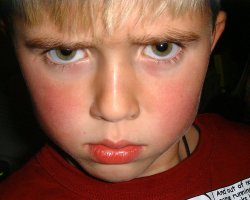
    Somi’s very angry and frustrated face in this image represents the issues he needed help with from a homeopathy.As parents, most of us wish the best for our children and try to instill in them sound morals and acceptable behavior necessary for life. However, with some children, even the best of parental intentions can be thwarted.

    These children quickly acquire labels like, ‘naughty’, ‘hyperactive’, or even “budding psychopath”. Often the finger of blame is pointed at the parents but my experience has shown that the root of these behavourial problems can be very different.

    Take Somi, for example. At only seven years of age he was facing expulsion from school. He had just hit another boy in the face, splitting his lip, before pushing him over a bag and onto the concrete. This was not the first time something like this had happened. There had been a series of unprovoked attacks and a number of suspensions. The school had finally had enough and Somi’s mother was told there were no more chances. One more strike and Somi would be out.

    Somi’s mother loved her son dearly but she was in despair and exhausted by his behaviour. No amount of reasoning could get him to see how wrong it was. Somi seemed elated and energised by bullying other children and felt no remorse for any pain or injury he caused them. Throughout the consultation, Somi spoke contemptuously to his mother and frequently swore at her, refusing to do as she asked. At home he would often become violent when she tried to discipline him

    Somi’s Mum described her son as fearless, hyperactive, impulsive and argumentative. For as long as five years, he had been aggressive, defiant and prone to violence. He would go into rages and even threaten to kill. During these episodes he could become so strong that it would take several people to hold him down. For someone supposedly so tough and fearless, Somi was surprisingly scared of the dark at night and could not go to bed alone. He had suffered from night terrors as a toddler and still had occasional nightmares about wolves and bears. He also hated to be separated from his mother. Even when she dropped him off at school, he would release blood-curdling screams and appear genuinely distressed. At the age of seven, Somi was still a regular bedwetter.

    Somi’s mother told me that he became fixated with things that upset him. Like a dog with a bone, he would not let them go. One of his fixations was his appearance. Somi would change his clothes up to five times a day and was very particular about the outfits he wore. He would spend long periods checking the way he looked in front of a mirror and would become abusive if hurried by his mother.

    A vegetarian since birth, Somi had been kept on a careful and nutritious diet. Although he craved sweets, chocolate was a real no-no. Too many times his mother had seen him ‘go crazy’ with just a small piece. He would roll and tumble about the floor for days.

    Somi had previously been to a nutritionist and therapist, who had carried out some expensive laboratory tests. Somi was diagnosed as having a reduced production of digestive and pancreatic enzymes from a vagus nerve invaded by Toxoplasma and a pancreas invaded by Mycoplasma and Rickettsia organisms. As a result Somi was hypoglycaemic and unable to break down many foods. The tests also showed heavy metal toxicity and a systemic yeast infection with Candida in Somi’s blood. Quite a mouthful for somebody only seven years old!

    The nutritionist had advised major changes in Somi’s diet and prescribed numerous supplements and several homeopathics. Somi’s mother had religiously followed this regime for two months and during this time, Somi’s body nutrients and pancreatic hormone levels returned to normal and his heavy metal toxicity disappeared. A followup visit showed there was still some yeast infection present, so Somi was prescribed further supplements and homeopathics.

    Good nutrition is always necessary for good health, but Somi’s diet prior to his appointment with the nutritionist was already adequate and he should have been thriving. Somi’s inexplicable nutritional deficiencies and sensitivities pointed to a deeper energistic imbalance that had to be corrected before any real and permanent improvement could occur. Unfortunately this did not happen. Somi was prescribed an inappropriate cocktail of homeopathic medicines at frequent intervals. They could not help his problem and had the very real risk of increasing his state of imbalance. “Homeopathic” treatment like this cheats the consumer and can worsen health. After months of this treatment, with no improvement in his behaviour, Somi’s Mum brought him to see me.

    After listening to Mum and observing Somi, it was clear that Somi needed homeopathic Belladonna. I prescribed several diluted doses. Two weeks later, Somi’s Mum called to say that there was a significant improvement in his behaviour. His anger had decreased and a rash had reappeared on his face, which she had not seen since he was a baby. I assured her that “a return of old symptoms” was a positive sign that the imbalance was being addressed and looked forward to further reports.

    At the first followup consultation I could see that Somi’s rash was clearing. His hyperactivity and obsessional behaviour had reduced dramatically, by 80%. Somi was no longer wetting the bed so often and his sugar cravings were less severe. Both Mum and I were pleased with his progress and planned to let the medicine continue its action, only redosing if needed.

    Over the coming months Somi continued to improve. He became much less argumentative and more cooperative. As his physical aggression reduced he became more willing to please. The bedwetting stopped completely and his food sensitivities virtually disappeared. Somi no longer needed to dose with the Belladonna.

    The school was aware of Somi’s homeopathic treatment and also saw a huge improvement in his behaviour. During this period there was just one further physical outburst that occurred at school, and both the school and his mother were amazed at what followed. For the first time, Somi seemed shocked at what he had done and felt sorry for the child he had attacked. He spent the night crying in his bedroom and on his own initiative apologised to the boy the next day – something he had never done before! Instead of being expelled, the school agreed on a week-long suspension and watched his behaviour continue to improve.

    Four months down the track Somi was a different boy. He no longer had a problem with explosive rage and violence. A happy relationship had developed with his mother and favourable reports were arriving home from school. Even his obsession with clothing had gone, with Somi happily telling me at his last consultation ‘I don’t even have to look in the mirror anymore.” Instead of being pushed from school to school and labelled a ‘problem child’, Somi was well on the way to enjoying a normal, happy childhood.

    Reasons for prescribing Belladonna

    Belladonna is just one of the homeopathic remedies for treating sudden rage and violence in children or adults. Those needing Belladonna will often strike, bite, pull hair, spit and curse with their anger. They can be “an angel one moment and a devil the next”. Often there is a love of lemonade. As in Somi’s case, children may fear the dark and wolves (or large dogs), be stubborn and have problems with bed-wetting. They can also be vain. Belladonna can be helpful for conditions as diverse as fever, migraine, sinusitis, arthritis and high blood pressure when symptoms match the overall Belladonna profile.


    Note: When seeking homeopathic treatment, it is important to ensure your practitioner is a member of a respected homeopathic (as opposed to naturopathic) association. Association membership assures that your practitioner has reached a minimum standard of homeopathic education. Professional homeopathic treatment involves the prescription of a single medicine in small, carefully spaced doses according to changes in the patient’s symptoms, never multiple remedies in frequent doses regardless of progress.

  • Reversing Autism – Zane’s Story

    Reversing Autism – Zane’s Story

    This little boy was treated homeopathically for his autism.The following letter was written by a mother when the Australian National Health and Medical Research Council drafted a Public Statement on Homeopathy stating  “…it is unethical for health practitioners to treat patients using homeopathy, for the reason that homeopathy has not been shown to be efficacious.”


    The letter was also forwarded to us with permission to place it on our website. Hopefully it provides information that helps parents of other children with problems just like Zane’s.

    Dated 23rd May, 2011

    Dear Professor,

    It is with great urgency that I am contacting you to tell you about my experience with homeopathy, a widely misrepresented and misunderstood modality that I have had the opportunity to benefit from.

    My son Zane, was an extremely difficult baby from the time he was first born.

    I spent my entire new motherhood constantly running from GP to paediatrician with a baby that spent his time breast feeding or screaming with 20 minute sleeps occasionally throughout the day if I walked him in a pram, otherwise he was up all night needing to be held or fed and as you can imagine this was incredibly disturbing.

    I could not go out very much as he constantly became over stimulated, plus he was always cranky from being tired and seemed to have constant hunger. I tried everything including top up feeds with formula but nothing made him happy.

    At 4 months old Zane began solid foods with great gusto. He had a varied healthy organic diet and became a little more settled and was travelling well with his milestones.

    At 13 months however, Zane received his triple antigen MMR vaccination.

    During the week that followed this vaccination, Zane stopped eating and wanted only to drink formula. From that moment on, Zane refused to any other food besides toast with vegemite, and formula.

    By the time he was 2 ½, Zane was way behind his peers, constantly tantrumming, was extremely sickly – and all my GP could offer was that he would grow out of it ( I should also mention that the paediatrician also gave me the same conclusion).

    Unconvinced, and due to constant ear aches and the fact that he still had not slept one night in his life ( and obviously I also had not ) I sought out help with an Ear nose and throat specialist who told me the reason for all Zane’s symptoms was that he needed his tonsils and adenoids removed.

    Trusting the doctor that Zane would become completely normal following this operation, I went ahead. The doctor informed me that he would be up and eating and drinking by dinner time.

    Two days later I had to have him readmitted for severe dehydration and we spent the following week in the hospital with him while he received fluids and pain medication through a drip because this poor little 2 year old had such a bad case of sensory processing disorder that the extent of pain for him was magnified and he could not even take the pain of swallowing pain medication.

    Having sought help from the main stream medical system for nearly 3 years and felt that they had allowed my child to go through his most formative years without any real investigation I had had enough.

    From the time Zane stopped eating properly it was my mother’s instinct that there was something he was allergic to or something not right with his digestive system. (The paediatrician told me I was dreaming).

    During this time I also decided to have Zane assessed by the Tumbatin Clinic (Editor’s note: A Sydney Clinic for the assessment of children with developmental or behavioural problems). A previous assessment conducted by a private institution proved futile. Though they were thorough in their billing, their assessment was inconclusive and as such offered no real follow up or support or recommendations for us. So off we went to Tumbatin.

    Zane was now 3 and had the following symptoms:

    • Self restricted diet of dry toast and vegemite and milk (down from eating everything prior to MMR vaccination)
    • Over reactive to noises such as vacuum cleaner, hair dryer, blender and other motorised noises
    • Sideways glancing at objects and bring objects close to his eyes and panning them across
    • Ignoring all other children
    • Non responsive to name
    • Constantly unsettled and a step away from tears and tantrums
    • Sleep apnoea
    • No verbal communication – also did not show an understanding of communication
    • Low muscle tone
    • Sickly appearance and as if in a daydream all of the time
    • Zane had also begun to show aggression towards his little brother who was just an infant and could not be left alone in the room with him
    • Extremely high anxiety and no joy from life

    Tumbatin diagnosed him with Autistic Spectrum Disorder and advised us to go ahead with speech therapy and occupational therapy. They did not believe that any internal issues with digestion had anything to do with his symptoms.

    Simultaneously, my husband and I sourced a biomedical GP, an amazing speech pathologist and a good occupational therapist.

    Through tests conducted on Zane’s stomach lining and gut as well as numerous blood tests by the Bio medical GP, we found that Zane had a disorder called leaky gut and that he was deficient in vital nutrients as well as having an overgrowth of Candida bacteria in his blood stream. We underwent a course of some potent digestive probiotics, as well as a myriad of different supplements to try and restore normality to Zane’s digestive system in the hope that it would help him to be healthier and happier and hence able to actually start partaking in life regardless of other developmental issues.

    We did this for 6 months and although it proved to be somewhat effective together with a special diet called the *Specific Carbohydrate diet (designed to eliminate all grains, sugars and processed foods), we still felt he could do better.

    It was then that we found an interesting blog by a lady who reported incredibly similar symptoms to my son in hers and spoke of the miraculous work of a homeopath in bringing her little boy back to her.

    We contacted her and upon hearing back from her contacted this homeopath immediately. It took us 3 months to get a booking for a month after that, but following that first appointment, our and Zane’s life changed forever.

    I will not take you through all of the ups and downs of Zane’s treatment as it is true to say that homeopathic treatment can take some trial and error – but name one form of medication that does not? My husband is currently undergoing treatment of a thyroid condition under a top endocrinologist and after 6 months of treatment he is still not having good results!

    However, what I will say is that after seeing the results of homeopathy in Zane, we stopped all other treatments and have just watched him transcend into a 7 year old who:

    • Attends a mainstream school and is one of the top students in his class
    • Eats an expanded diet of all forms of protein – red meat, poultry, fish and eggs plus vegetables and a variety of other foods that he now really enjoys ( this took time)
    • Is in the second top reading group in his class (I was told that reading was pretty much out for him)
    • Loves his friends and is extremely affectionate with them and his family
    • Generally is one of the most beautiful little children you could come across.
    • Mild anxiety that is treated entirely with homeopathy and no other form of medication

    Zane also now does not appear autistic in any way.

    I would urge you to try and find out more about homeopathy and I implore you not to condemn such an important modality for so many people. After all, do we not live in a democracy?

    Homeopathy only heals, it is not physically possible for it to harm. I doubt that pharmaceutical companies can claim the same for some of the mainstream forms of medication that are so readily available and so supported.

    Ours is not a rare case and if you research, you will find many, many stories very similar to mine with Zane and for many different ailments and illnesses.

    Without homeopathy the quality of my son’s life would be minimal and so would that of our family.

    Because of homeopathy, my son is the joy in all of our days, has a close and incredibly loving relationship with his brother and has a wonderful life in front of him. How could you possibly consider taking that away from others?

    I hope that you will consider my message with seriousness and understanding. We may not all believe in the same things, but as a sceptic myself, I can tell you that sometimes the best rewards come from opening your paradigms and just giving something you may not be used to a chance.

    Yours Sincerely,

    K. F.

    NSW Australia

    Homeopathy Plus Comment

    Zane’s Mum says, “… it is true to say that homeopathic treatment can take some trial and error …”

    Why would this be so?

    Well, homoeopaths make their prescriptions according to the symptoms they see and symptoms they are told. If some of those symptoms have been missed during that first consultation, a less than perfect remedy may be prescribed. But the homeopathic process is flexible and forgiving and the person’s response to a less than perfect remedy still provides information a skilful practitioner uses to make a better second prescription.

    On other occasions it may be difficult for the practitioner to decide between several remedies that appear to match the person’s symptoms. When this happens the remedies may be trialled one-by-one in a ‘test and see’ approach to find the one that is going to produce the best response. And those other remedies – are they harmful? No, as they act as gentle energetic catalysts within the body and stimulate a response only if there is a suitable degree of similarity to the problem being treated.

    Other Resources

    1. Parents tell what happened for their child during homeopathic treatment 
    2. Homeopathy for Autism FAQs
    3. Reversing Autism: Part 1 – Homeopathy and the Treatment of Autism Spectrum Disorders (Information for Practitioners and Parents) 
    4. Reversing Autism: Part 2 – Other Approaches and Their Implications for Homeopathic Treatment (Information for Practitioners and Parents) 

    (Treating Homeopath: Fran Sheffield
    Homeopathy Plus!
    T: +612 (2) 4304 0822
    W: https://homeopathyplus.com/meet-fran-sheffield/)

  • Study: Quicker Births with Fewer Complications

    Study: Quicker Births with Fewer Complications

    Mother, Father and NewbornIn a 1983 study, 93 women were given a complex of potentised homeopathic remedies and had shorter labours and fewer complications than those given a placebo.



    In a randomised double blind trial involving 93 women, a combination (complex) remedy of Caulophyllum, Actea racemosa, Arnica montana, Pulsatilla pratensis and Gelsemium sempervirens, was used from the ninth month of pregnancy onwards. The subsequent labours and complication rates were then examined.

    The study found that the average labour time of the women given the complex was 5.1 hours. In comparison, those who received the placebo laboured for an average of 8.5 hours.

    The rate of complications in those using the homeopathic complex was 11.3% while the complication rate for those given the placebo was 40%.

    The complex consisted of a mix of homeopathic remedies traditionally used by homeopaths for pregnancy and birthing conditions but does this mean it or any of the remedies should be used routinely? Not at all.

    Single remedies that match the mother’s presenting symptoms during the birthing process still give the cleanest and best results.

    In contrast, complexes are a simple and non-toxic option for those new to homeopathy who are still unsure of the best single remedy. Their limitation is that only the most common birthing remedies are included in the mix; other remedies, though needed less often, will be missing.

    The results of this study indicate that traditional homeopathic remedies are helpful for labour and birthing problems, for parents and professionals alike.

    More Information:

    Dorfman P., Lassere N.M., Tetau M., Homoeopathic Medicines in Pregnancy and Labor, Cahiers de
    Biotherapie, 94, April 1987, 77-81.

  • ‘Inappropriate’ Children

    ‘Inappropriate’ Children

    When a child displays inappropriate behavior of a sexual nature, one homeopathic remedy in particular should be considered.
    An online news service carried an article about inappropriate sexual behaviour in children and what parens could do:

    It said in part:

    “It’s a minefield that every parent must navigate carefully – what is normal sexual behaviour among their kids.
    While playing “doctor and nurse” may be fine, parents are being warned to watch for “red light” cases that can be a harmful and worrying trend of early sexual behaviour.”

    While article sounds like a promotion (for a book) dressed up as a story but it does remind us of a homeopathic remedy, Hyoscyamus niger (Hyos), and how it is often needed for just such behaviour – and not just by children but adults, too.

    Of course, parents usually don’t take their children to homoeopaths specifically for this problem. Thinking there is little that can be done they try to minimise it, hoping it’s just an ‘interesting’ variation of normal behaviour that will soon pass. The problem usually only comes to light from questions in the case-taking process when parents have taken the child to the homeopath for a different problem.

    Parents will tell of a variety sensual behaviours such as: uncomfortable kisses; ‘toilet talk’; inappropriate touching or obsessiveness with other people’s body parts (breasts and genitals being the main areas); a tendency to remove their own clothing; touching themselves in public; and seemingly getting pleasure from the shock or discomfort they create in others with these behaviours.

    When children who have never been exposed to sexual matters start to behave in this manner, the parents are obviously concerned and confused. They don’t want to excessively correct the child for fear of setting up a lifetime of angst about sexuality but if they choose to ignore the behaviour, find that the child just does it all the more as if to deliberately annoy. It can be a difficult problem to manage.

    Which brings us back to Hyos. It is frequently well-suited to over-sexualised behaviour in either children or adults.

    Other helpful remedies also exist but Hyos is especially useful when the child is prone to jealousy, foolishness, silly, irritating behaviour they refuse to stop, anxiety about water, twitching, jerking and grimacing, and restless hands that constantly move, touch and pull at things.

    While not all these symptoms have to be present before Hyos can be prescribed, some degree of similarity should exist. In pronounced cases, epilepsy and mania may be present.

    When parents first hear that a homeopathic remedy like Hyos can return their child’s over-sexualised behaviour back to normal they usually respond with disbelief but often, within a week of taking a dose, significant changes usually take place.

    By the next appointment, some weeks later, it’s not uncommon for homeopaths to hear that the silly behaviour and jealousy have reduced – or gone completely – along with the inappropriate sexuality.

    All this and more from one simple remedy.

    On reading this, if you are wondering if treatment has to be forever, the answer is no. As with any form of homeopathic treatment, when physical and behavioural symptoms improve, the remedy is given less often. Once the symptoms have stopped so is the remedy as the child is back to a healthy state and no further treatment is needed.

    If your child has this embarrassing and annoying problem, and there is no other reason for it, hopefully it helps to know that its not “just the way they are” but  an imbalance that can be corrected.

    To facilitate this, please see a reputable and qualified homeopath.

    The bonus of treatment is that as their precocious behaviour improves, so will any tendency to other health problems.

    Family life will become easier and more pleasant for all.